


- 253 Views
- 45 Min Read
- (0) Comment
Everything You Need to Know Before Visiting Tanzania
Tanzania offers one of the most complete safari experiences in Africa, combining the Big Five, the Great Migration, authentic cultural experiences, Mount Kilimanjaro, and Zanzibar’s beaches in a single destination. Whether you are planning your first African safari, a family adventure, a honeymoon, or an affordable private tour, Tanzania gives travelers the chance to experience wildlife, nature, and local culture in a truly unforgettable way.
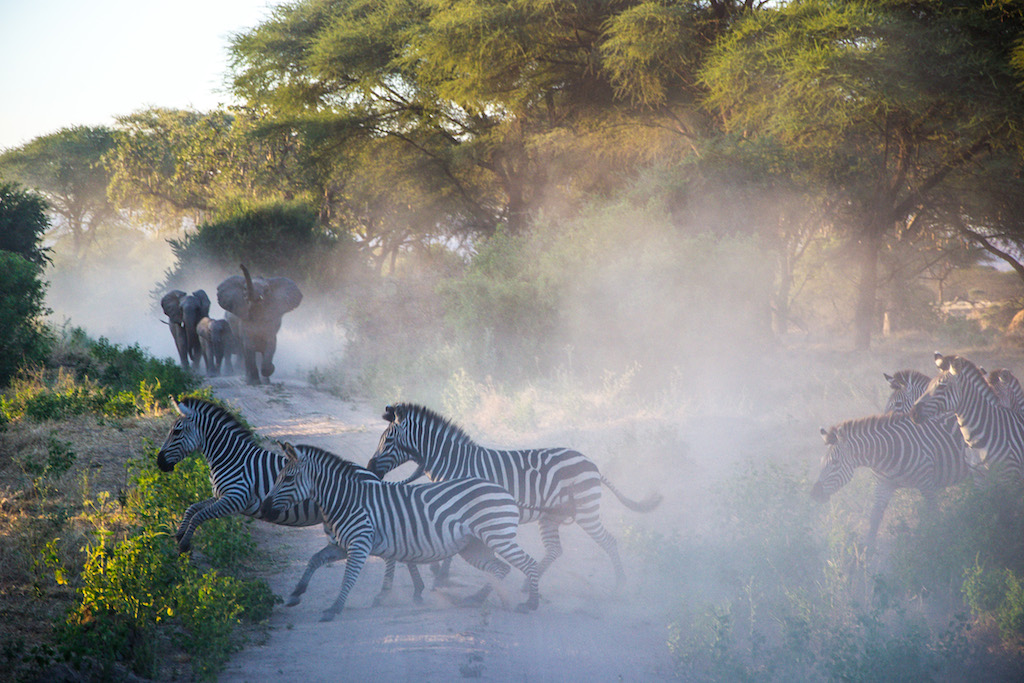
Tanzania is not just another African destination—it is one of the most ecologically diverse safari countries in the world. Nearly 30% of its land is protected under national parks, game reserves, and conservation areas, allowing wildlife to move across vast, unfenced ecosystems. This vast scale is one of the reasons Tanzania feels wilder and more immersive than many other safari destinations. In Serengeti National Park, the horizon stretches endlessly across the open savannah where millions of wildebeest migrate in seasonal cycles. In the Ngorongoro Crater, a collapsed volcanic caldera shelters one of the densest concentrations of large mammals in Africa. Tarangire National Park is defined by ancient baobab trees and some of the largest elephant herds in East Africa. At the same time, the remote landscapes of Nyerere National Park and Ruaha National Park offer raw wilderness with far fewer vehicles and a stronger sense of isolation.
Beyond wildlife, Tanzania’s diversity continues vertically and culturally. Mount Kilimanjaro, Africa’s highest peak at 5,895 meters, rises from cultivated foothills through rainforest and alpine desert to a glaciated summit. Along the coast, Zanzibar blends white-sand beaches with centuries of Swahili, Arab, and European influence visible in the narrow streets of Stone Town. Within the same country, travelers can experience traditional Maasai communities, Hadzabe hunter-gatherers near Lake Eyasi, vibrant local markets, and modern safari lodges—all within a relatively connected travel network.
This rare combination of large-scale wildlife ecosystems, dramatic geography, living cultures, and Indian Ocean coastline makes Tanzania one of the most complete travel experiences on the continent. It is a destination where you can track predators at sunrise, stand on the rim of a volcanic crater by mid-morning, and watch the sun set over the savannah in total silence.
This guide explains everything you need to know before planning your trip to Tanzania—from understanding seasonal wildlife movements and choosing the right parks to estimating realistic safari costs and selecting the best travel duration. It also covers what to expect during game drives, how accommodation levels differ, important safety considerations, and how to identify a reputable safari operator. Whether you are planning a first-time Tanzania safari, a Kilimanjaro climb, a Zanzibar beach extension, or a combination of all three, this resource provides the clarity needed to design a well-informed and unforgettable Tanzania journey
Table of contents
- Everything You Need to Know Before Visiting Tanzania
- Where Tanzania Is Located & How to Get There
- Best Time to Visit Tanzania
- Top Places to Visit in Tanzania
- Tanzania Safari Experiences Explained
- Ideal Length of Stay in Tanzania
- Is Tanzania Expensive to Visit?
- What to Pack for a Tanzania Safari?
- Best Tanzania Excursions & Day Trips
- Must-See Attractions in Tanzania
- Guide to the Great Migration
- Authentic Experiences in Tanzania
- Why Consider the Southern Circuit
- Iconic Wildlife of Tanzania
- Tanzania Safari Safety Tips
- How to Book Your Tanzania Safari
- Tanzania Safari FAQs
- Let Zaita Tours Design Your Dream Tanzania Safari
Where Tanzania Is Located & How to Get There

Tanzania is located in East Africa along the Indian Ocean coastline, forming a natural bridge between Central, Eastern, and Southern Africa. It shares borders with Kenya and Uganda to the north, Rwanda and Burundi to the west, and Zambia, Malawi, and Mozambique to the south, while its eastern boundary opens to the warm waters of the Indian Ocean. This strategic position places Tanzania within one of the most wildlife-rich regions on the continent, connected to major ecosystems such as the Serengeti–Masai Mara migration corridor.
Covering nearly 945,000 square kilometers, Tanzania is one of Africa’s largest countries. Its geography is remarkably diverse: coastal plains give way to central savannahs, volcanic highlands rise in the north, and the Great Rift Valley cuts dramatically across the landscape. Africa’s highest peak, Mount Kilimanjaro, stands in the northeast near the Kenyan border, while vast wilderness areas stretch across the south. Approximately 30% of the country is protected under national parks, game reserves, and conservation areas—one of the highest conservation ratios in the world. This extensive protection allows wildlife to roam across large, unfenced ecosystems, which is why Tanzania supports some of Africa’s strongest populations of lions, elephants, and other iconic species.
International travelers typically enter the country through two primary gateways. Kilimanjaro International Airport is the main access point for visitors heading to the Northern Circuit, including Serengeti, Ngorongoro, Tarangire, and Lake Manyara. It is located between the cities of Arusha and Moshi, making it ideal for both safari departures and Mount Kilimanjaro climbs. Julius Nyerere International Airport in Dar es Salaam serves as the primary hub for southern parks such as Nyerere and Ruaha, as well as for domestic flights to Zanzibar.
Direct and one-stop international flights connect Tanzania with major hubs in Europe, the Middle East, and Asia, often routing through cities such as Doha, Istanbul, Addis Ababa, Nairobi, or Amsterdam. Once in Tanzania, safari travel continues either by customized 4×4 safari vehicles — the most common and flexible option — or by scheduled light aircraft flights that land on bush airstrips inside remote parks. These bush flights significantly reduce travel time across the country’s vast distances and are commonly used for luxury or southern circuit itineraries.
Travel Route from Ngorongoro Crater to Kilimanjaro International Airport
Because of Tanzania’s size and ecological scale, distances between parks can be substantial. However, the established tourism infrastructure, experienced safari logistics, and well-maintained park networks make moving between regions efficient and reliable when properly planned.
Traveling from Ngorongoro Crater to Kilimanjaro International Airport is a straightforward overland journey that offers a glimpse of Tanzania’s diverse landscapes. The drive covers approximately 245 kilometers and typically takes around 4 to 5 hours, depending on road conditions and traffic.
Most travelers start by exiting the Ngorongoro Conservation Area and following the main road east through the town of Karatu. From here, the route continues toward Arusha, a lively gateway city known for its bustling markets and views of Mount Meru. After passing through Arusha, you’ll join the main highway heading northeast toward Moshi, skirting the foothills of both Mount Meru and Mount Kilimanjaro en route.
For those who prefer to save time or avoid long drives, there are also scheduled light aircraft flights connecting airstrips near Ngorongoro (such as Lake Manyara) with Kilimanjaro International Airport. This option is often chosen by travelers looking to maximize their time on safari or connect seamlessly with international departures.
Travel Route from Serengeti to Ngorongoro
For those journeying between these two legendary landscapes, the typical route takes you south from the heart of Serengeti National Park toward the Ngorongoro Conservation Area—a drive of about 145 kilometers, usually completed in three to four hours, depending on wildlife sightings and road conditions.
The journey itself is an experience, crossing rolling grasslands, scattered acacia woodlands, and the stark beauty of the Serengeti plains. As you travel toward Ngorongoro, the landscape begins to shift dramatically. The flat savannah gradually gives way to lush highlands and the cool air of the crater rim.
En route, many travelers opt for a final Serengeti morning game drive before exiting the park, maximizing wildlife encounters. The main road leads to the Naabi Hill Gate, the official boundary between the Serengeti and Ngorongoro. From there, the ascent begins, following a scenic track that winds along the outer rim of the Ngorongoro Crater, where panoramic views hint at the wonders awaiting within.
Most overnight stays are at camps or lodges perched on or near the crater rim, offering a perfect base to explore Ngorongoro’s remarkable ecosystem the following day.
Travel Route from Lake Manyara to Serengeti National Park
From the scenic shores of Lake Manyara, travelers usually embark northward toward Serengeti National Park, a journey that takes you deep into the heart of Tanzania’s iconic savannah. The overland trip covers approximately 250 kilometers and typically requires around 4.5 to 5 hours by road, depending on wildlife sightings, road conditions, and the exact departure point.
The most common route leaves Lake Manyara via the main park gate, then winds through the highlands and up the escarpment toward the Ngorongoro Conservation Area. En route, you’ll ascend into cooler altitudes with sweeping views over the Rift Valley and pass Maasai villages that dot the countryside. After a scenic drive along the crater rim of Ngorongoro—where brief stops are often made for panoramic vistas or a quick lunch—you’ll descend onto the rolling plains of the Southern Serengeti.
Along the way, the landscape transforms from acacia woodlands and fertile highlands to the endless grasslands synonymous with the Serengeti. Many visitors choose to break up the drive with a stop at the Olduvai Gorge, an archaeological site that offers fascinating insights into human prehistory. Once inside Serengeti National Park, your safari adventure continues with the promise of encountering vast herds of wildebeest, prides of lions, and the other extraordinary wildlife that define Tanzania’s wild heart.
Best Time to Visit Tanzania
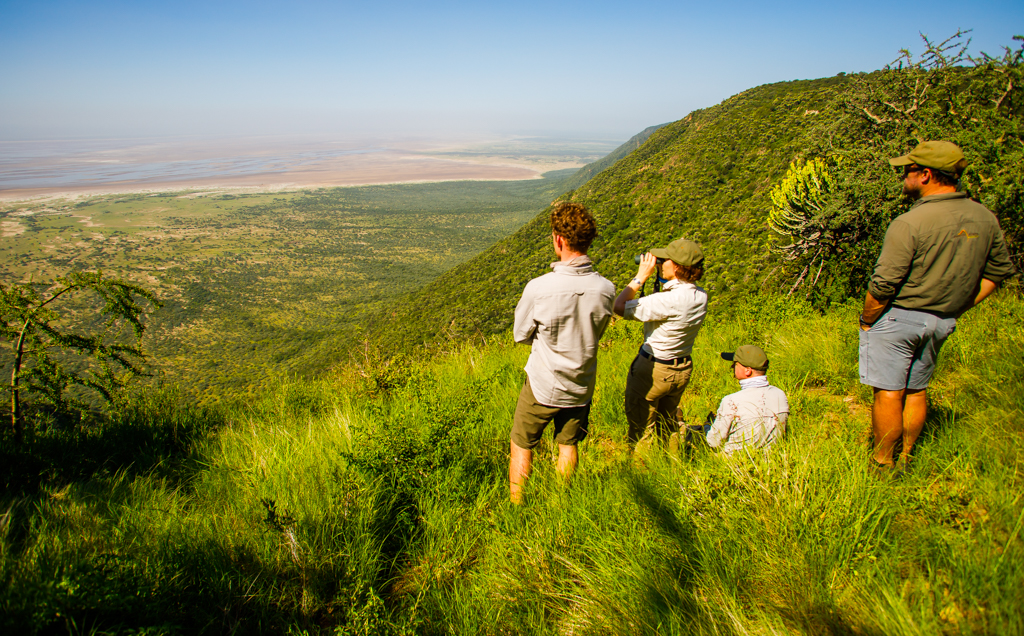
Tanzania’s climate is shaped by its position near the equator and its varied altitude, creating two primary travel seasons: the dry season (June–October) and the green season (November–May). While temperatures remain relatively warm throughout the year, rainfall patterns strongly influence wildlife movement, road conditions, and the overall safari experience.
The dry season, from June to October, is widely considered the prime wildlife-viewing period. During these months, rainfall is minimal, grasses become shorter, and natural water sources begin to shrink. As a result, animals concentrate around permanent rivers and watering holes, making them easier to locate and observe. In Serengeti National Park, large herds gather in open plains, and predator activity increases as lions, leopards, and cheetahs take advantage of exposed prey. In the Ngorongoro Crater, the already dense wildlife population becomes even more visible due to reduced vegetation cover. Skies are generally clear, humidity is lower, and photography conditions are excellent. This period also coincides with the dramatic river crossings of the Great Migration in the northern Serengeti between July and September.
The green season, from November to May, transforms Tanzania’s landscapes into vibrant ecosystems. Short rains usually begin in November and December, followed by a drier interval, and then heavier rains between March and May. The scenery becomes lush, rivers flow more strongly, and migratory birds arrive from Europe and Asia, making it an exceptional period for birdwatching. From January to March, the southern Serengeti plains host the calving season, when hundreds of thousands of wildebeest give birth within a concentrated timeframe. This attracts high predator activity and offers some of the most dynamic wildlife interactions of the year.
April and May represent the peak of the long rains. While some remote roads may become challenging, this period offers significantly fewer safari vehicles, greater solitude, and lower accommodation rates. For experienced travelers or photographers seeking dramatic skies and fewer crowds, this season can be highly rewarding.
Along the coast and in Zanzibar, temperatures remain warm year-round, typically ranging between 25°C and 32°C (77°F–90°F). The most stable beach weather generally occurs between June and March, with calm seas and clear skies. April and May are the wettest months on the coast, but showers are often intermittent rather than constant.
Overall, Tanzania offers strong travel potential in every season; the best time ultimately depends on whether the priority is peak wildlife density, migration events, lush scenery, birdlife, or quieter travel conditions.
Top Places to Visit in Tanzania

Serengeti National Park is Tanzania’s most iconic and expansive wildlife sanctuary, covering approximately 14,750 square kilometers of open savannah, riverine forests, and rocky kopjes. Its name comes from the Maasai word “Siringet,” meaning “endless plains,” which accurately describes its vast horizon. The park is globally renowned for the Great Migration, where over 1.5 million wildebeest, accompanied by hundreds of thousands of zebras and gazelles, move in a continuous cycle in search of fresh grazing. Beyond the migration, the Serengeti sustains one of Africa’s highest predator densities, including large lion prides, elusive leopards, cheetahs, spotted hyenas, and crocodiles along its river systems. Because the ecosystem is unfenced and ecologically intact, wildlife movement remains natural and dynamic throughout the year.
Ngorongoro Crater is one of Africa’s most extraordinary natural formations. This massive collapsed volcanic caldera spans roughly 260 square kilometers and forms a self-contained ecosystem surrounded by steep crater walls rising over 600 meters. Designated a UNESCO World Heritage Site, it supports an estimated 25,000 large mammals within a relatively compact area, making wildlife viewing highly concentrated and efficient. The crater floor includes grasslands, swamps, acacia forests, and a soda lake that attracts flamingos. It is one of the most reliable locations in Tanzania to spot endangered black rhinos, alongside large buffalo herds, hippos, zebras, wildebeest, and strong lion populations.

Tarangire National Park is particularly famous for its enormous elephant herds, which often gather in groups of 100 or more during the dry season. The park covers about 2,850 square kilometers and is defined by the Tarangire River, a critical water source that draws wildlife from surrounding dispersal areas between June and October. The landscape is dotted with ancient baobab trees, some hundreds of years old, creating one of Tanzania’s most distinctive safari backdrops. In addition to elephants, Tarangire hosts lions, leopards, giraffes, and one of the highest concentrations of breeding bird species in the country.
Lake Manyara National Park is smaller in size but ecologically diverse. Stretching along the base of the Great Rift Valley escarpment, it includes groundwater forests, open grasslands, acacia woodlands, and the shallow alkaline lake itself. The park is well known for its tree-climbing lions — a rare behavioral adaptation — as well as large troops of baboons and seasonal flocks of flamingos that gather along the lakeshore. Its compact size makes it an accessible introduction to Tanzania’s wildlife ecosystems.
Tree-Climbing Lions: A Rare Sight
One of the park’s most unique highlights is the presence of tree-climbing lions, the only kind of their species known for this unusual behavior. These lions are rarely spotted, and sighting them is considered a stroke of luck—catching a glimpse of even one perched in the branches is memorable, but occasionally, visitors are treated to the incredible sight of several lions lounging high above the ground. This remarkable phenomenon draws wildlife enthusiasts from around the world, all hoping for their own “lottery win” in witnessing these elusive cats in action.
Beyond traditional wildlife safaris, Mount Kilimanjaro rises to 5,895 meters above sea level, making it Africa’s highest peak and the tallest free-standing mountain in the world. Climbers ascend through distinct ecological zones, from cultivated farmland and rainforest to alpine desert and arctic summit conditions. Each year, thousands of trekkers attempt the multi-day ascent via established routes that balance acclimatization and scenic diversity.

Along the Indian Ocean coastline, Zanzibar offers a contrasting experience. Its white-sand beaches, turquoise waters, and coral reefs make it one of East Africa’s premier coastal destinations. At the heart of the island lies Stone Town, a UNESCO-listed historic center characterized by narrow alleys, carved wooden doors, and a blend of Swahili, Arab, Persian, and European architectural influences. Zanzibar provides a relaxing complement to mainland safaris, combining cultural history with tropical coastal scenery.
Tanzania Safari Experiences Explained

Safari experiences in Tanzania are highly diverse, catering to different budgets, comfort levels, and travel preferences. At the most personalized level, private safaris allow travelers to control their itinerary, departure times, and wildlife tracking. These safaris often include dedicated guides and vehicles, ensuring that every game drive is tailored to individual interests — whether that means focusing on predator behavior, photographing landscapes, or spending extra time with a particular herd. Private safaris are ideal for families, honeymooners, or small groups seeking exclusivity and flexibility without the constraints of shared tours.
Mid-range lodge safaris strike a balance between comfort and affordability. These packages typically include stays in permanent lodges or well-appointed tented camps, providing private rooms, hot showers, and quality meals. Professional guides lead game drives in 4×4 vehicles equipped with open sides or pop-up roofs for optimal wildlife viewing. These safaris allow travelers to experience the full spectrum of Tanzania’s wildlife while maintaining a moderate budget, making them popular among first-time safari-goers and small groups.
At the top end of the spectrum, luxury safaris offer a high level of comfort, exclusivity, and convenience. They often include fly-in transfers to minimize long drives, stays in high-end tented camps or lodges with exceptional amenities, gourmet meals, and additional services such as spa treatments and guided nature walks. Many luxury itineraries grant access to private wildlife concessions, where game drives are conducted in areas with few other visitors, providing unparalleled opportunities for intimate wildlife encounters and photography.
Tour packages are also highly customizable. Some itineraries focus exclusively on the Northern Circuit, which includes Serengeti, Ngorongoro, Tarangire, and Lake Manyara, offering classic safari experiences with high wildlife density. Others combine these wildlife excursions with Zanzibar beach extensions, allowing travelers to relax on pristine white sands after several days of game drives. Some packages even integrate Mount Kilimanjaro climbs, creating a unique adventure that combines trekking, cultural experiences, and wildlife observation within a single trip. This flexibility is what makes Tanzania safaris adaptable to nearly every type of traveler, from adventure seekers and photographers to families and luxury travelers seeking both relaxation and immersion in nature.
Ideal Length of Stay in Tanzania

The ideal length of a trip to Tanzania largely depends on the experiences you wish to include, as the country offers a remarkable diversity of landscapes, wildlife, and cultural encounters. A 5–7 day safari is perfect for travelers who want to experience the highlights of the Northern Circuit efficiently. In this timeframe, visitors can explore Tarangire National Park, home to massive elephant herds and iconic baobab trees, enjoy the vast plains and predator activity of Serengeti National Park, and descend into the Ngorongoro Crater to witness one of the densest wildlife populations on the continent. This shorter itinerary is ideal for first-time safari-goers or travelers with limited vacation time who still want a comprehensive wildlife experience.
For those who wish to explore at a more relaxed pace, a 14-day trip allows deeper immersion into the parks and surrounding regions. In addition to multiple game drives, travelers have time to enjoy cultural encounters with Maasai or Hadzabe communities, visit scenic highland areas, and extend their journey to the coast. A beach stay in Zanzibar offers a restorative contrast to days spent on safari, with opportunities for snorkeling, diving, and exploring historic Stone Town. This extended duration also allows flexibility for wildlife photography, off-the-beaten-path excursions, and less hurried game drives.
For those adding a Mount Kilimanjaro climb, the journey typically requires 7–9 days, depending on the route selected. The longer itineraries allow for proper acclimatization, which is critical for safely reaching the summit. Routes such as Machame or Lemosho combine scenic landscapes with varied trekking challenges, starting from tropical forests and advancing through alpine deserts to the glaciated peak.
Travelers seeking cultural depth often include side trips to Lake Eyasi, home to the Hadzabe hunter-gatherers and Datoga pastoralists, or Lake Natron, famous for its flamingo populations and volcanic landscapes. Including these regions allows visitors to witness traditional ways of life and remote, untamed landscapes that few tourists experience. Overall, a well-planned itinerary balances wildlife, adventure, cultural encounters, and relaxation, with the trip length tailored to personal interests and travel pace.
Is Tanzania Expensive to Visit?

Tanzania is widely regarded as a premium safari destination, not only because of the remarkable wildlife and landscapes it offers but also due to its strict conservation policies and extensive network of protected areas. Nearly a third of the country’s land is safeguarded under national parks, game reserves, and wildlife conservation zones, which helps maintain healthy animal populations and supports natural ecosystem dynamics. These protections come with associated costs, including park entry fees, conservation levies, and vehicle permits. While these expenses may seem significant, they directly fund the management of the parks, anti-poaching initiatives, and the preservation of habitats that support iconic species like lions, elephants, and rhinos.
For travelers, the cost of a safari varies widely depending on accommodation type, travel style, and itinerary. Mid-range safaris generally range from $400 to $700 per person per day. These safaris often include stays in permanent lodges or well-appointed tented camps with comfortable rooms, hot showers, quality meals, and professional guides leading daily game drives in open-top 4×4 vehicles. This option provides a balanced combination of comfort, convenience, and immersive wildlife experiences, making it popular among first-time safari-goers and small groups.
Luxury safaris offer a higher level of exclusivity, privacy, and comfort. Prices typically start around $750 per person per day and can exceed $2,000 per person per day, depending on the type of lodge, fly-in transfers, private concessions, and additional services such as spa treatments, guided walking safaris, and gourmet cuisine. Luxury travelers often enjoy smaller group sizes or entirely private safaris, ensuring intimate wildlife encounters in less crowded areas.
For those traveling on a tighter budget, camping safaris provide an accessible way to experience Tanzania’s national parks without compromising on wildlife access. Budget safaris use well-equipped tented camps, sometimes with shared facilities, allowing guests to sleep close to nature while still visiting the same key parks and reserves. While accommodation costs are lower, these safaris still include professional guiding, game drives, and park entry fees, offering an authentic experience that is both affordable and immersive.
Ultimately, while Tanzania is perceived as a premium destination, careful planning allows travelers to tailor their safari to their budget, balancing comfort, adventure, and the unparalleled opportunity to witness Africa’s most iconic wildlife in its natural habitat.
What to Pack for a Tanzania Safari?
Packing correctly for a Tanzania safari is essential to ensure comfort, safety, and enjoyment throughout your journey. Weather, terrain, and wildlife encounters vary by region and season, so thoughtful preparation makes your safari experience seamless. Whether you’re on a Northern Circuit private safari with Zaita Tours or exploring the Southern Circuit, these recommendations cover all essentials:
1. Clothing
- Neutral colors – Opt for khaki, beige, olive, or light brown clothing to blend into the environment. Bright colors can disturb wildlife and attract insects.
- Lightweight, breathable fabrics – Temperatures can vary widely from hot daytime savannahs to cool early mornings. Moisture-wicking fabrics keep you comfortable.
- Layering – Include a light fleece or jacket for early-morning game drives, especially in Ngorongoro Crater or high-altitude areas near Mount Kilimanjaro.
- Long sleeves and pants – Essential for sun protection and to reduce mosquito bites, particularly during the green season.
- Comfortable evening wear – Some lodges or camps have communal dining areas where casual but tidy clothing is appreciated.
2. Footwear
- Sturdy walking shoes or hiking boots—For bush walks, lodge excursions, and optional Kilimanjaro climbs.
- Sandals or slip-ons – Comfortable for lodges, camps, and beach excursions in Zanzibar.
3. Safari Essentials
- Binoculars – Essential for spotting wildlife at a distance, especially birds and predators in open savannahs.
- Camera equipment – Include a zoom lens (200–400mm recommended), extra memory cards, batteries, and a tripod if desired.
- Daypack – For carrying water, sunscreen, insect repellent, snacks, and personal items during daily game drives.
- Water bottle – Staying hydrated is crucial in Tanzania’s warm climate. Consider a reusable, refillable bottle.
4. Health and Safety Items
- Insect repellent – High DEET content recommended for malaria-prone areas.
- Malaria prophylaxis – Consult a medical professional before traveling.
- First-aid kit – Include bandages, antiseptics, painkillers, and any personal prescription medication.
- Sunscreen and hat—UV exposure can be intense during mid-day drives.
- Hand sanitizer and wet wipes – Useful when camping or on long drives.
5. Optional Extras
- Travel adapter and charger – Tanzania uses Type G plugs; most lodges provide power, but remote camps may be limited.
- Flashlight or headlamp – Helpful in tented camps or lodges during nighttime.
- Notebook or journal – For documenting wildlife sightings, landscapes, or personal experiences.
- Swimwear – For lodges with pools or Zanzibar beach extensions.
- Lightweight rain jacket – Recommended during the green season (November–May), especially for Tarangire or Southern Circuit parks.
6. Tips for Packing Efficiently
- Keep luggage lightweight; 20–25 kg per person is standard for flights to remote parks.
- Use soft-sided bags for overland safaris, as these fit more easily in 4×4 vehicles.
- Avoid strong fragrances—perfumes and scented lotions can attract insects and disturb wildlife.
By packing strategically, you ensure your safari is safe, comfortable, and fully immersive, allowing you to focus on the incredible wildlife, landscapes, and cultural encounters that make Tanzania one of the world’s top safari destinations. With Zaita Tours, you can tailor your itinerary to include game drives, walking safaris, and optional cultural or beach excursions—and packing thoughtfully ensures you’re ready for every adventure.
Swahili Greetings & Phrases for Your Safari
Brushing up on a few Swahili phrases before your Safari can elevate your experience and foster warm connections with local guides, camp staff, and fellow travelers. Tanzanians are renowned for their friendliness, and using a little Swahili always brings a smile.
Here are some handy Safari essentials to keep in your back pocket:
- Jambo – The universal “hello” in Tanzania. You’ll hear it everywhere!
- Habari gani? – “How are you?” Perfect for starting a friendly conversation.
- Asante / Asante sana – “Thank you” and “Thank you very much”; useful when expressing appreciation for excellent service or wildlife sightings.
- Pole – “Sorry” or “my sympathies,” often said if someone stumbles or has a minor mishap.
- Ndiyo / Hapana – “Yes” and “No.”
- Rafiki – “Friend.” A delightful way to refer to new acquaintances on the road.
- Hakuna matata – “No problem” or “no worries.” This phrase sums up the relaxed East African spirit—expect to hear it often from guides and camp staff.
Taking a moment to greet people in Swahili or thank them in their native language not only enriches your Safari but also shows respect for local culture. Don’t be shy—practice these basics, and you’ll find doors (and hearts) open all across Tanzania!
Best Tanzania Excursions & Day Trips

Tanzania is packed with exciting day trips and excursions that complement longer safari itineraries. Whether you’re on a private safari or staying in Arusha or nearby towns, these trips let travelers experience wildlife, culture, and natural wonders without requiring overnight travel.
1. Ngorongoro Crater Day Game Drive
A visit to Ngorongoro Crater can easily be done as a day excursion from Karatu or Arusha. This collapsed volcanic caldera is home to thousands of large mammals, including lions, elephants, zebras, and endangered black rhinos. A day game drive allows travelers to explore its dense wildlife ecosystem, enjoy spectacular views of crater walls, and photograph wildlife in a compact, accessible area.
2. Lake Manyara Canoe or Boat Safari
Lake Manyara National Park offers a unique perspective with canoe or small boat safaris on its calm waters. These excursions allow visitors to see hippos, elephants, and hundreds of bird species quietly from the water, providing intimate wildlife encounters and exceptional photography opportunities. Canoe trips also highlight the park’s rich groundwater, forest, and flamingo populations.
3. Lake Natron Excursion
A day trip to Lake Natron is ideal for travelers who want surreal landscapes and flamingo sightings. Guided excursions include walking along the lake’s shores, spotting thousands of flamingos nesting, and exploring the striking volcanic terrain. Visitors can also view Ol Doinyo Lengai, the active volcano known as the “Mountain of God,” creating a combination of wildlife and geological wonder in a single day.
4. Arusha or Dar es Salaam Cultural Market Tours
For those seeking urban or cultural experiences, guided market tours in Arusha or Dar es Salaam showcase Tanzanian daily life. Travelers can sample spices, fruits, and street foods, interact with artisans selling handmade crafts, and purchase souvenirs. These tours are perfect for understanding the local culture and economy while enjoying a leisurely day out.
5. Walking Safaris in Tarangire or Ruaha
While most safaris are vehicle-based, some parks like Tarangire National Park and Ruaha National Park offer guided walking safaris. These excursions let travelers track wildlife signs, identify plants, observe insects, and discover small mammals often missed on game drives. Walking safaris provide an immersive, hands-on experience with nature, perfect for those who enjoy a slower pace and educational adventure.
6. Hot-Air Balloon Safari Over the Serengeti
For a premium experience that can be done as a half-day excursion, sunrise hot-air balloon rides over Serengeti National Park provide breathtaking aerial views of the plains and the Great Migration. From above, travelers can observe predator-prey interactions, vast herds of wildebeest, and the park’s iconic kopjes. Many tours include a champagne breakfast upon landing, combining adventure, luxury, and wildlife photography in one unforgettable excursion.
7. Zanzibar Day Trips
Private safari travelers often extend their journey to Zanzibar, where day trips include spice farm tours, snorkeling, Stone Town walking tours, and beach relaxation. Visitors learn the history of cloves, cinnamon, vanilla, and black pepper while tasting fresh spices and enjoying farm-to-table meals. Many spice farm tours also include a traditional lunch, often served picnic-style under the shade of palm trees. Meals are typically full-board, with chefs accommodating dietary restrictions and special requests—vegans and vegetarians are well-catered for, and personal touches like singing, dancing, and heartfelt farewells from the staff add warmth to the experience. The genuine hospitality found on these day trips ensures travelers feel truly welcomed, making each visit memorable for both its flavors and the friendly connections made along the way. Snorkeling trips reveal vibrant coral reefs and tropical marine life, providing a refreshing contrast to inland safaris.
8. Optional Adventure Activities
Other day trips include mountain hikes around Arusha, coffee plantation tours, and community visits near Lake Eyasi or Lake Natron, allowing travelers to combine culture, education, and adventure in a single day. These short excursions are ideal for families, couples, and small groups who want flexibility without long travel.
These day trips enhance any Tanzanian safari by offering diverse experiences beyond traditional game drives, connecting travelers to culture, wildlife, and nature.
Must-See Attractions in Tanzania
Tanzania is a country of extraordinary natural beauty, iconic wildlife, and rich cultural heritage. From towering mountains to pristine beaches, vast savannahs, and volcanic craters, the nation offers a diverse range of must-see attractions for travelers of all interests.
1. Mount Kilimanjaro
Mount Kilimanjaro is Africa’s highest peak and one of the world’s most famous trekking destinations. Its slopes pass through rainforest, moorland, alpine desert, and glacier zones, offering climbers breathtaking landscapes and diverse ecosystems. While summit attempts typically take 6–9 days, the mountain can also be admired from nearby viewpoints or via short treks in Moshi and Arusha. The peak is not only a climbing challenge but also a symbol of Tanzania’s natural grandeur.
2. Serengeti National Park
The Serengeti National Park is the crown jewel of Tanzania’s safari destinations. Known for vast open plains and the Great Migration, the park hosts millions of wildebeest, zebras, and gazelles, along with a high density of predators like lions, cheetahs, and leopards. Visitors can enjoy classic game drives, photography safaris, and optional hot-air balloon rides for aerial views of this iconic ecosystem.
3. Ngorongoro Crater
Ngorongoro Crater is a UNESCO World Heritage Site and one of the most accessible places in Africa to see a high concentration of wildlife. The crater floor spans approximately 260 square kilometers and supports over 25,000 animals, including elephants, buffalo, lions, and endangered black rhinos. Often dubbed the “eighth natural wonder of the world,” this ancient volcanic caldera was formed millions of years ago and is sometimes called “Africa’s Garden of Eden” for its lush landscapes and prolific wildlife. The Maasai people inhabit the surrounding highlands, adding to the cultural richness of the area. Its dramatic walls and unique ecosystem make it a must-visit destination for safari enthusiasts. Its dramatic walls and unique ecosystem make it a must-visit destination for safari enthusiasts.
4. Tarangire National Park
Tarangire National Park is renowned for its large elephant herds and ancient baobab trees. During the dry season (June–October), animals congregate around the Tarangire River, providing excellent wildlife viewing. Tarangire also hosts predators, giraffes, zebras, and a wide variety of bird species, making it ideal for photography and short excursions.
5. Nyerere National Park (Southern Circuit)
Formerly known as Selous, Nyerere National Park is one of Africa’s largest protected areas. It offers remote wilderness, boat safaris on the Rufiji River, and exceptional predator and elephant sightings. The park’s exclusivity and raw landscapes make it perfect for travelers seeking solitude and adventure beyond the Northern Circuit.
6. Lake Natron
Lake Natron is famous for its vivid alkaline waters and flamingo breeding grounds. The surrounding volcanic terrain, including Ol Doinyo Lengai, creates a dramatic and photogenic landscape. Day trips or short excursions allow visitors to explore this otherworldly environment, observe wildlife, and experience a truly unique ecosystem.
7. Lake Eyasi
Lake Eyasi provides an insight into indigenous cultures, including the Hadzabe hunter-gatherers and Datoga pastoralists. Visitors can witness traditional hunting, foraging, and crafting techniques, making the lake a cultural complement to Tanzania’s wildlife-focused attractions.
8. Zanzibar
Zanzibar combines white-sand beaches, turquoise waters, and historic Stone Town. Beyond sunbathing, travelers can explore spice farms, dive or snorkel in coral reefs, and learn about Zanzibar’s rich history as a hub of the spice trade. The island is a popular extension for safari itineraries, offering relaxation after inland adventures.
9. Other Notable Attractions
- Arusha National Park – Compact park with giraffes, buffalo, and volcanic craters, ideal for short excursions.
- Ruaha National Park – Tanzania’s largest park by area, with diverse wildlife and large lion prides.
- Mikumi National Park – Accessible from Dar es Salaam, great for short safaris and birdwatching.
These attractions ensure that visitors experience the full spectrum of Tanzania’s landscapes, wildlife, and culture, making a safari or multi-destination trip rich and memorable.
Guide to the Great Migration
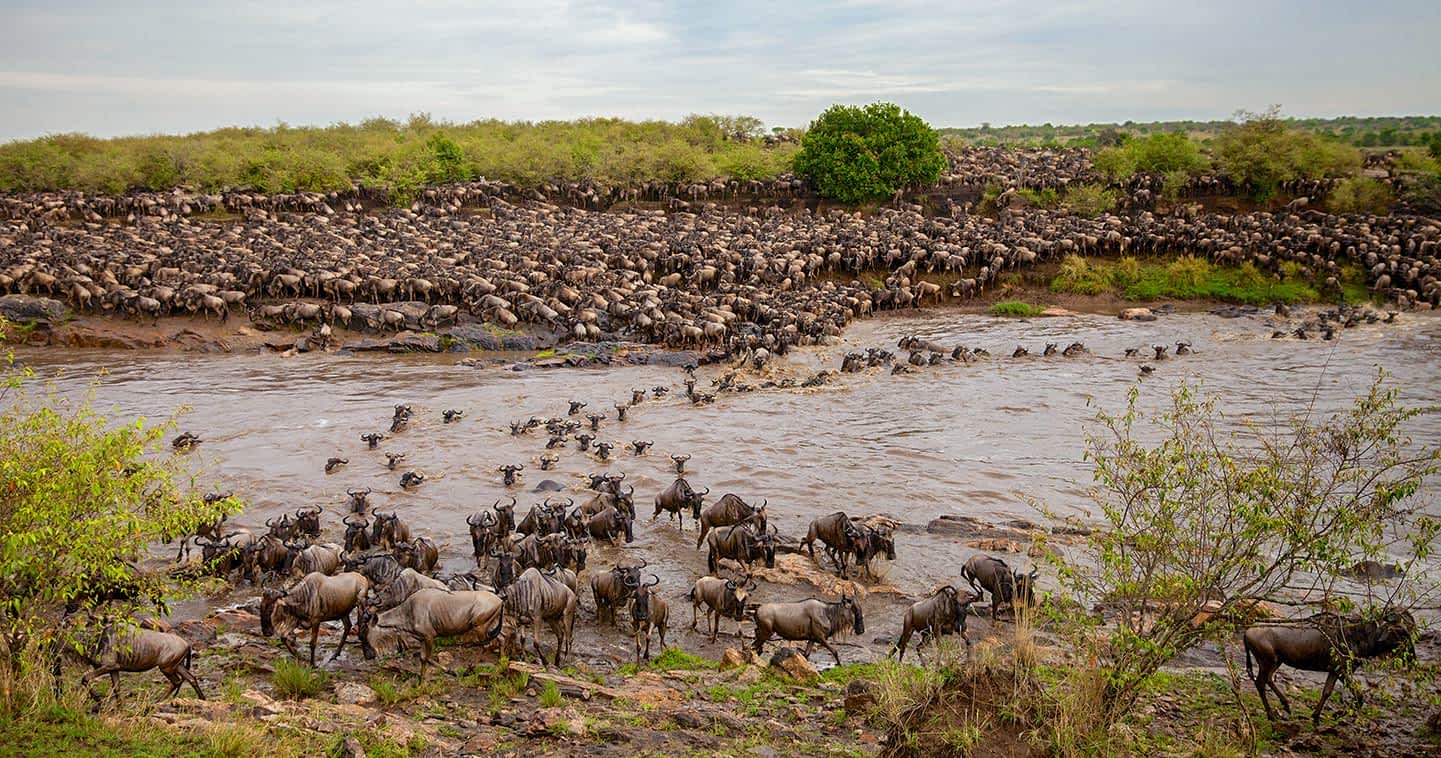
The Great Migration is one of the most extraordinary wildlife spectacles on Earth, taking place across the vast Serengeti-Mara ecosystem that spans northern Tanzania and southern Kenya. Each year, approximately 1.5 million wildebeest, along with hundreds of thousands of zebras and gazelles, embark on a continuous, circular journey in search of fresh grazing and water. This movement is entirely driven by the region’s seasonal rainfall patterns, which dictate where lush pastures are available. The migration is not only a survival mechanism for herbivores but also creates some of the most intense predator-prey interactions in Africa, attracting lions, hyenas, leopards, and crocodiles along the way.
The migration follows a predictable annual rhythm. From January to March, calving season occurs in the southern Serengeti, where hundreds of thousands of wildebeest give birth in concentrated areas. This period provides an incredible opportunity to witness newborn calves, as well as heightened predator activity taking advantage of the vulnerable young. Between April and June, the herds begin their gradual journey northwards, following the rains as pastures in the central and northern Serengeti become more abundant. By July to September, the wildebeest reach the northern Serengeti and the Mara River in Kenya, creating dramatic river crossings that are among the most photographed wildlife events in the world. These crossings are perilous, as strong currents and lurking crocodiles pose constant threats to the migrating animals.
From October to December, the herds start their return journey southwards toward the Serengeti’s southern plains, completing the annual loop. This period often coincides with the short rains, rejuvenating pastures in the south and attracting large concentrations of animals back to their calving grounds. The Great Migration offers not only a dynamic wildlife spectacle but also a profound ecological story, showcasing the interdependence of animals, climate, and habitat across one of the world’s most iconic safari landscapes.
Authentic Experiences in Tanzania
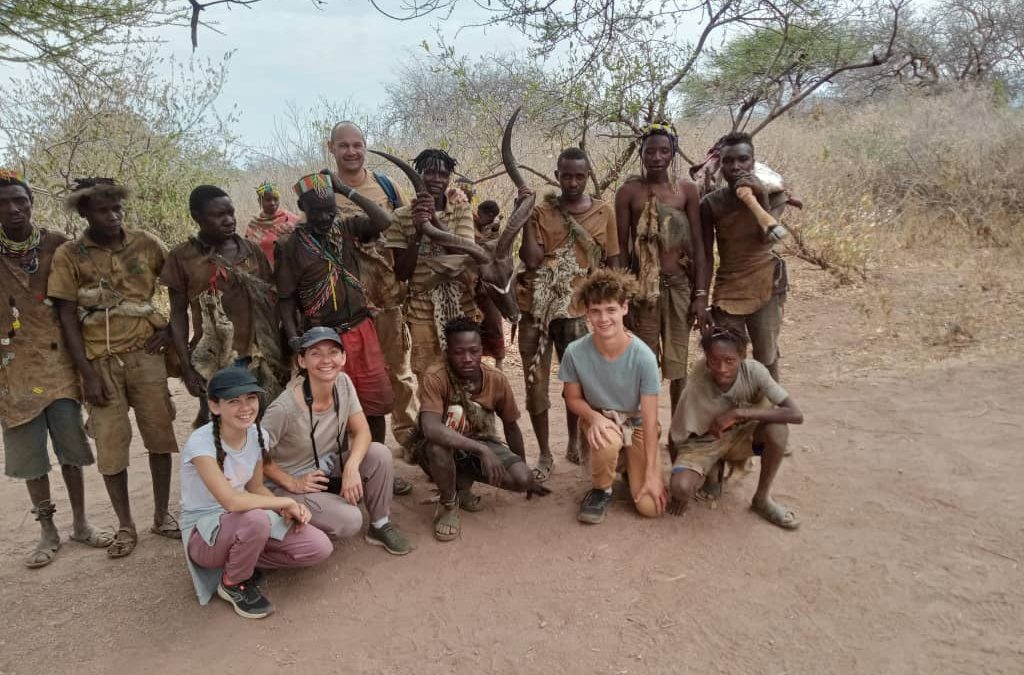
Tanzania offers far more than traditional game drives — it is a country rich in culture, adventure, and natural wonders, providing experiences that go beyond wildlife viewing. These authentic encounters allow travelers to immerse themselves in the landscapes, communities, and traditions that make Tanzania unique. Here are seven experiences that should be on every traveler’s list:
1. Experience Maasai Village Life – Near Arusha or Lake Manyara, visitors can explore Maasai communities, learning about their pastoral way of life, traditional ceremonies, and intricate beadwork. Guides explain the significance of rituals, attire, and village structures, offering insights into a culture that has thrived for centuries alongside Tanzania’s wildlife. Private safaris often include these visits, ensuring personalized interactions and respectful engagement with local families, giving travelers an intimate understanding of Maasai heritage.
2. Hadzabe Hunter-Gatherer Experience – In the Lake Eyasi region, travelers can meet the Hadzabe, one of Africa’s last remaining hunter-gatherer tribes. Participants can observe traditional hunting methods using bows and arrows, learn about foraging techniques, and gain insight into their mobile lifestyle. This rare cultural experience highlights the deep connection between humans and the land, offering a perspective on survival skills and community traditions that predate modern society.
3. Flamingo Viewing at Lake Natron – Lake Natron is a striking alkaline lake renowned for its pink flamingos, which come to breed in large numbers. Visitors can walk along the shorelines, witness thousands of birds nesting, and photograph their reflections against the lake’s vivid red and pink waters. The surrounding volcanic landscapes, including the dramatic Ol Doinyo Lengai (“Mountain of God”), provide a surreal backdrop, making this region an ideal destination for photographers and nature enthusiasts alike.
4. Walking Safaris in Tarangire or Selous – While traditional game drives are the norm, some private safari operators, including Zaita Tours, offer guided walking safaris. On foot, travelers can track wildlife signs; learn to identify animal tracks; spot insects, birds, and smaller mammals often overlooked from vehicles; and experience the landscape up close. Walking safaris provide an immersive and educational dimension to traditional safaris, emphasizing the intricate ecology of Tanzania’s diverse environments.
5. Cultural Market Tours in Arusha or Dar es Salaam – Tanzania’s cities and towns are vibrant hubs of daily life. Market tours allow travelers to observe local culture firsthand — from colorful fabrics and handmade crafts to fresh spices, fruits, and street food. Visitors can taste indigenous foods, interact with vendors, and bring home authentic souvenirs. These excursions complement wildlife-focused activities, providing a holistic view of Tanzania’s social and cultural fabric.
6. Sunrise Hot-Air Balloon Safari over the Serengeti – For those seeking a once-in-a-lifetime perspective, a hot-air balloon ride over Serengeti National Park is unforgettable. Floating silently at dawn, guests witness wildlife from above, including grazing herds, predators on the move, and river crossings during the Great Migration. The experience combines adventure, luxury, and unparalleled photographic opportunities, offering a different lens on Tanzania’s iconic landscapes.
7. Zanzibar Spice Farm Tour – Many Tanzania itineraries include a Zanzibar extension, where spice farms provide a sensory exploration of the island’s history and agriculture. Travelers can learn about cloves, cinnamon, vanilla, and black pepper, often with opportunities to taste herbs and participate in farm-to-table cooking experiences. The tours reveal the cultural and economic significance of spices, connecting visitors to the region’s centuries-old trade networks and offering a relaxing complement to inland safaris.
These seven authentic experiences go beyond game drives to connect travelers with Tanzanian culture, landscapes, and wildlife. Each offers a deeper understanding of the country’s natural and human heritage, making a Tanzania trip truly transformative and memorable.
Why Consider the Southern Circuit

The Southern Circuit of Tanzania offers a safari experience that is markedly different from the more frequently visited Northern Circuit, providing a sense of remoteness, tranquility, and untouched wilderness. This region is ideal for travelers who wish to escape the crowds and enjoy a more intimate encounter with nature, where the rhythms of wildlife and landscape dominate the experience rather than tourism infrastructure.
Nyerere National Park, formerly known as Selous Game Reserve, is one of Africa’s largest protected wildlife areas, covering over 30,000 square kilometers. Its vastness ensures that wildlife movements are largely natural and unfenced, creating authentic encounters with elephants, buffalo, hippos, crocodiles, and a variety of predators. One of the park’s most unique features is the Rufiji River, which enables scenic boat safaris. Unlike land-based game drives, boat safaris allow visitors to observe hippos, crocodiles, and water birds from the river while enjoying a tranquil perspective on the surrounding floodplains and forests. Birdwatchers also favor Nyerere, as it hosts over 400 bird species, including rare and endemic species found only in southern Tanzania.
Ruaha National Park is another highlight of the Southern Circuit, renowned for its rugged landscapes, rolling hills, and acacia-studded valleys. Ruaha supports one of the largest lion populations in Tanzania, and its open woodlands make predator spotting especially rewarding. The park also contains large herds of elephants, elands, sable antelopes, and wild dogs, offering some of the most dramatic and less-observed wildlife encounters in the country. Its remote location and fewer tourists mean that game drives often feel private and uninterrupted, providing a sense of connection to the wild that is harder to achieve in the busier Northern Circuit parks.
Overall, the Southern Circuit appeals to travelers seeking exclusivity, adventure, and raw wilderness. It is particularly suitable for seasoned safari-goers who have already experienced the Northern Circuit or for those wanting a more off-the-beaten-path adventure. With fewer lodges and camps than the north, accommodations often emphasize seclusion and natural integration, ranging from comfortable safari lodges to luxury tented camps along rivers or in remote plains. For wildlife enthusiasts, photographers, and adventure seekers alike, the Southern Circuit offers a truly immersive safari experience that balances diversity, solitude, and scenic beauty.
Iconic Wildlife of Tanzania

Tanzania is one of the world’s premier wildlife destinations and is home to Africa’s Big Five—lion, leopard, elephant, buffalo, and rhinoceros—making it a must-visit for safari enthusiasts and photographers. If you’re not familiar with the Big Five, jot them down and let spotting each become a highlight of your Tanzanian adventure: lion, elephant, rhino, leopard, and buffalo. While a keen eye and a spirit of adventure are useful, your guide will be there to help you track each of these iconic animals, sharing expert tips and ensuring you don’t miss a moment. The country’s vast and diverse ecosystems, from open savannahs to volcanic craters and remote wilderness, support an extraordinary variety of animals in their natural habitats.
The Serengeti National Park is particularly famous for its lions, which are among the largest and most concentrated populations in Africa. Open plains and rocky kopjes provide perfect observation points for prides at rest, hunting, or nurturing cubs. Leopards, though more elusive, can be spotted in woodland areas or resting in trees, while cheetahs roam the plains chasing gazelles. During the Great Migration, the abundance of prey attracts spectacular predator-prey interactions, creating unforgettable wildlife viewing experiences.
Ngorongoro Crater is renowned for offering one of the best opportunities to see the endangered black rhinoceros. The crater’s compact 260-square-kilometer ecosystem allows visitors to encounter large populations of buffalo, wildebeest, zebras, hippos, and lions in a relatively small, accessible area. The unique geography of steep crater walls enclosing a diverse range of habitats makes wildlife viewing both convenient and breathtakingly scenic.
In Tarangire National Park, massive elephant herds dominate the landscape, especially during the dry season when the Tarangire River becomes the main water source. Visitors can also spot giraffes, impalas, zebras, and a variety of bird species, all set against the park’s iconic baobab-studded scenery. Tarangire is ideal for travelers seeking photogenic wildlife encounters with fewer crowds than the Serengeti.
Ruaha National Park is famous for dramatic predator interactions, with large lion prides, leopards, and African wild dogs navigating its rugged and remote landscapes. The park’s lower visitor traffic means sightings often feel private and authentic, offering a raw, untamed safari experience. Ruaha also supports substantial elephant herds and a variety of antelope species, making it a hidden gem for those seeking adventure off the beaten path.
Beyond the Big Five, Tanzania’s protected areas host cheetahs, hyenas, hippos, crocodiles, and hundreds of bird species, including flamingos, storks, and eagles. Resident herds in the Serengeti include buffalo, topi, hartebeest, and impala, as well as waterbuck, reedbuck, and dik-dik. Giraffes and warthogs are commonly spotted browsing and grazing across the plains, while bursts of color and song from vibrant birdlife—ranging from tiny sunbirds to impressive raptors—add to the region’s incredible biodiversity. The country’s diverse ecosystems, combined with strong conservation efforts, ensure that wildlife encounters are not only memorable but also sustainable, making Tanzania a top destination to witness iconic African animals in their natural environment.
Tanzania Safari Safety Tips

Tanzania is widely regarded as a politically stable country, and its safari tourism industry is highly regulated, ensuring that visitors can explore national parks and reserves with confidence. Wildlife experiences are carefully managed by professional guides who are trained in safety, animal behavior, and conservation practices. Following their instructions is essential for both your safety and the protection of the animals.
Game Drive Safety and Etiquette
During game drives, travelers should remain inside vehicles at all times unless the guide explicitly permits leaving the vehicle. Approaching wildlife on foot without authorization is extremely dangerous, as even seemingly calm animals such as elephants, buffalo, or lions can be unpredictable. Maintaining a safe distance from all wildlife is a fundamental rule — most parks provide marked guidelines and safe viewing distances, and experienced guides ensure these are observed without compromising the quality of your safari experience.
A typical game drive involves exploring the parks in a specialized 4×4 vehicle, often with a pop-up roof to allow for unobstructed views and photography. Your professional driver-guide is responsible for navigating the terrain, spotting wildlife, and positioning the vehicle safely for optimal viewing. Whenever you encounter animals, the guide will stop the vehicle so you can observe and take photos—always from the safety of the car.
Listening to your guide’s instructions and respecting the boundaries set for wildlife viewing not only protects you and your fellow travelers but also helps preserve the natural behaviors of the animals you’ve come to witness. This careful approach ensures that your safari is both memorable and conducted with the utmost respect for Tanzania’s extraordinary wildlife.
Comprehensive travel insurance is strongly recommended for all visitors. Insurance should cover medical emergencies, trip cancellations, and unexpected events during game drives or other activities, providing peace of mind throughout your journey. Additionally, travelers should consult healthcare professionals before departure to discuss health precautions. Malaria prophylaxis is commonly advised for all safari areas, and routine vaccinations—including yellow fever, hepatitis A and B, typhoid, and tetanus—should be up-to-date. Carrying a basic first-aid kit, staying hydrated, and using sun protection are also practical measures for ensuring comfort and safety while exploring Tanzania’s varied climates and terrains.
By following these safety guidelines, travelers can focus on the wonders of Tanzania — from spotting lions in the Serengeti to cruising along the Rufiji River in the Southern Circuit — while minimizing risks and contributing to a responsible, conservation-friendly safari experience.
Safety Measures at Safari Camps
Safari camps across Tanzania are committed to guest safety, especially when it comes to interactions with wildlife in and around camp. In many locations, particularly those deep within national parks, camp protocols require guests to remain inside their tents or lodges after dark unless accompanied by a designated staff member. This policy is in place to prevent unexpected encounters with nocturnal animals that may roam through camp after sunset.
To facilitate communication, guests are often provided with radios or walkie-talkies to reach camp staff at any time, whether for assistance or in the unlikely event of an emergency. Security teams, sometimes equipped with flashlights and, depending on the camp, additional deterrents, may escort guests between their rooms and communal areas during the evening and early morning hours. These precautions are rarely necessary in response to specific threats, as wildlife generally seek to avoid humans unless provoked or startled, but camps operate on a “better safe than sorry” philosophy.
While the sounds of the bush—including distant lion calls—are an unforgettable part of the safari experience, adhering to camp rules ensures that guests can enjoy these wild surroundings safely. Simply by following staff guidance and respecting boundaries, travelers greatly reduce the risks while still savoring the thrill of being close to nature.
How to Book Your Tanzania Safari

Booking a Tanzania safari begins with selecting your travel dates and identifying the key destinations you wish to explore. Whether your focus is the Northern Circuit parks like Serengeti National Park and Ngorongoro Crater, the Southern Circuit, or a combination with Zanzibar or Mount Kilimanjaro, it is important to plan an itinerary that matches your interests, pace, and budget.
A well-crafted itinerary should include details such as park entry fees, conservation levies, accommodation standards, vehicle type, professional guiding services, daily game drives, and any additional inclusions such as meals or bush flights. Clear documentation ensures travelers know exactly what to expect and allows for seamless coordination during the safari. For first-time visitors or those unfamiliar with Tanzania’s logistics, working with a reputable operator is essential for maximizing safety, comfort, and wildlife encounters.
We specialize in affordable Tanzania private safaris, designed to provide exclusive experiences for families, couples, and small groups without the crowds. All safaris are private, meaning your vehicle and guide are dedicated solely to your party, giving you the flexibility to set your schedule, extend game drives, and spend more time observing wildlife at your own pace. This approach also ensures personalized attention and enhanced opportunities for photography, wildlife observation, and cultural experiences.
To secure your safari, a deposit is typically required, especially for popular lodges and peak-season dates between June and October or during the Great Migration. Early booking guarantees accommodation availability, preferred vehicle types, and guide assignments, ensuring your trip runs smoothly. Zaita Tours provides expert guidance throughout the booking process, helping travelers design tailored itineraries that balance wildlife, cultural experiences, and relaxation while maintaining a focus on affordability.
By choosing Zaita Tours, travelers gain access to well-organized, private safari experiences across Tanzania’s most iconic parks, with the added confidence of working with a local operator based in Arusha who prioritizes safety, sustainability, and authentic wildlife encounters.
Tanzania Safari FAQs
Traveling to Tanzania can raise many practical questions for first-time visitors. Below are frequently asked questions covering logistics, safety, wildlife, and planning tips for a successful trip:
Do I need a visa to visit Tanzania?
Yes, most travelers require a visa to enter Tanzania. Tourist visas can be obtained online through the Tanzanian e-visa system or on arrival at Kilimanjaro International Airport or other entry points. It’s recommended to check your country’s specific requirements well before departure to avoid delays.
What vaccinations or health precautions are needed?
Travelers should consult a healthcare professional before visiting. Recommended measures include:
- Yellow fever vaccination (required if traveling from certain countries).
- Routine vaccinations such as tetanus, hepatitis A, and typhoid.
- Malaria prophylaxis for most safari destinations, particularly the lowland parks and lake regions.
- Mosquito repellent, sun protection, and adequate hydration are essential during game drives and outdoor excursions.
What is the best way to get around Tanzania?
- Domestic flights – Efficient for reaching remote parks like Ruaha, Selous/Nyerere, and Zanzibar.
- 4×4 safari vehicles – Standard for private safaris, allowing flexible routes and off-road access.
- Public transport – Less common for safari itineraries, but used for urban travel between towns like Arusha and Dar es Salaam.
Is it safe to go on safari in Tanzania?
Yes, Tanzania is politically stable, and safari tourism is well-regulated. To stay safe:
- Always follow your guide’s instructions.
- Remain inside vehicles unless specifically allowed to exit.
- Maintain safe distances from wildlife.
- Carry travel insurance covering medical emergencies and evacuation.
When is the best time to visit?
The ideal timing depends on your interests:
- Dry season (June–October) – Best for wildlife viewing, especially predator sightings in Serengeti and Ngorongoro.
- Green season (November–May) – Lush landscapes, birdwatching, and lower tourist density.
- Zanzibar – Warm year-round, with the most stable beach weather between June and March.
What currency is used in Tanzania, and are credit cards accepted?
- The official currency is the Tanzanian Shilling (TZS).
- Major hotels and lodges may accept credit cards, but cash is essential for parks, markets, tipping, and smaller towns.
- ATMs are available in cities like Arusha and Dar es Salaam, but remote parks may not have access.
Can I combine safari with other experiences?
Absolutely. Popular combinations include:
- Safari + Zanzibar beaches
- Safari + Mount Kilimanjaro climbing
- Safari + cultural visits to Maasai or Hadzabe communities
How long should I stay in Tanzania?
- 5–7 days – Covers Tarangire, Serengeti, and Ngorongoro efficiently.
- 10–14 days – Allows for deeper exploration, time in Zanzibar, and optional cultural sites such as Lake Eyasi or Lake Natron.
- 7–9 days – Required for Kilimanjaro climbs, depending on the route chosen.
What is appropriate tipping etiquette?
Tipping is customary but not mandatory.
- Safari guides: $15–$20 per person per day
- Lodge staff: $5–$10 per day
- Private drivers and porters: $5–$10
Are safaris suitable for families and solo travelers?
Yes. Private safaris can be tailored for:
- Families – Shorter drives, comfortable accommodations, and flexible schedules.
- Solo travelers – Private vehicles and expert guides for safety and personalized attention.
Let Zaita Tours Design Your Dream Tanzania Safari
You Imagine It—We Make It Happen
At Zaita Tours, we create personalized Tanzania safaris designed around your travel style, budget, and expectations. Every itinerary is carefully crafted to provide authentic wildlife encounters, comfortable accommodations, and seamless logistics — all at an affordable, transparent price.
Our experienced local team, based in Arusha, plans each safari with attention to detail. From the endless plains of the Serengeti to the elephant-filled landscapes of Tarangire, the Ngorongoro Crater, and beyond, we design journeys that balance adventure, comfort, and unforgettable moments.
Whether you’re traveling solo, as a couple, with friends, or planning a family safari, we tailor every experience to match your pace and interests.