Serengeti Calving Season
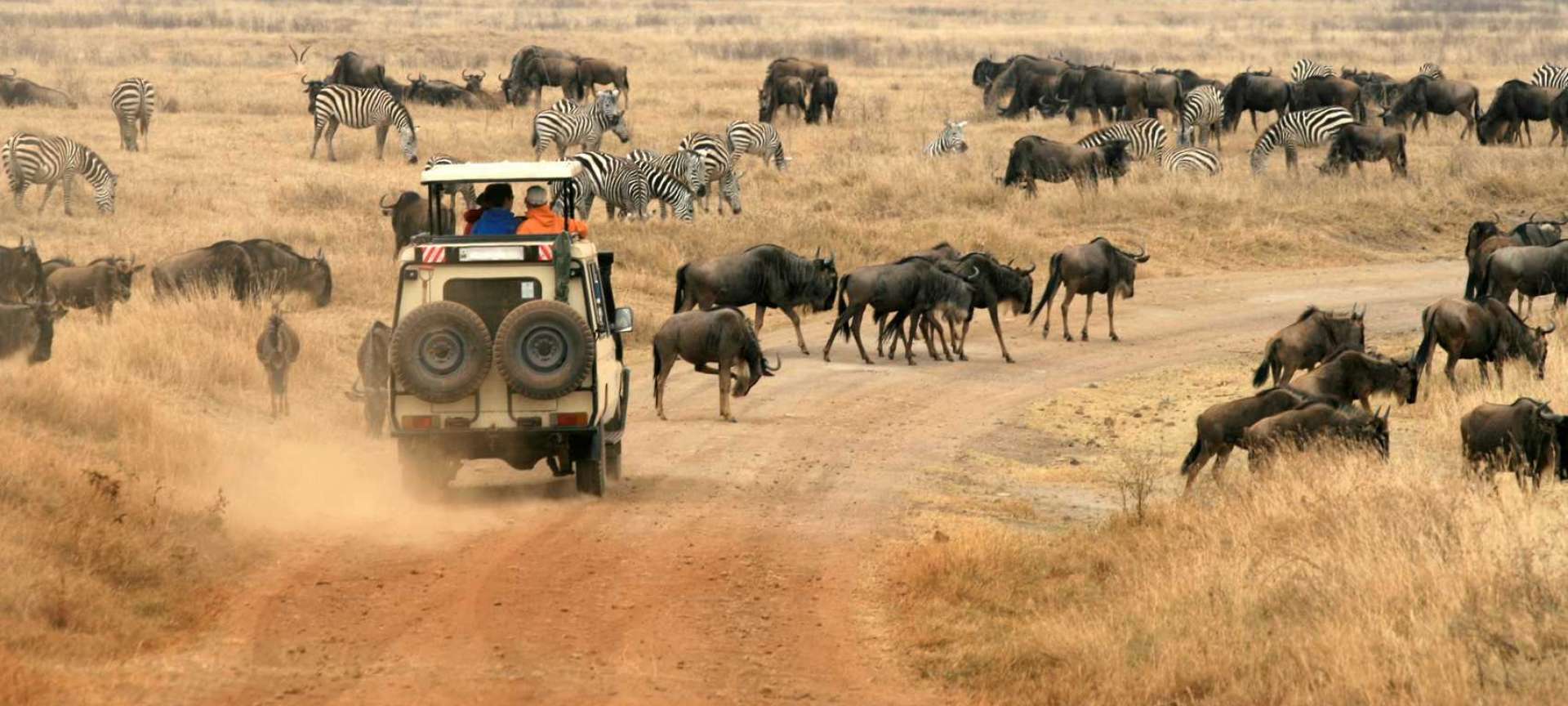
The Serengeti calving season is from January to March in the southern plains of Serengeti National Park, where thousands of wildebeest give birth daily, attracting predators and creating one of Africa’s most dramatic Great Migration events.
During this time, the Serengeti transforms into a vast nursery as hundreds of thousands of calves are born within a few weeks. This attracts a high concentration of predators, including lions, cheetahs, and hyenas, making it one of the best times to witness real predator-prey action in the wild.
The short grass plains of the southern Serengeti and the Ndutu area provide ideal conditions for calving, with fresh grazing and open landscapes that allow for excellent visibility. This makes game drives especially rewarding, with constant wildlife activity throughout the day.
For travelers, the calving season offers a unique safari experience that combines dramatic wildlife encounters, breathtaking scenery, and exceptional photographic opportunities. It is often considered one of the most exciting phases of the Great Wildebeest Migration and a perfect time to visit for those seeking intense and memorable wildlife moments.

Highlights of the Calving Season in the Serengeti
Thousands of Births in a Short Time

Between January and March, the southern plains of Serengeti National Park become one of the most extraordinary wildlife nurseries on earth. During this short window, more than 500,000 wildebeest calves are born, often within just a few weeks.
This synchronized birthing strategy increases survival chances, as predators cannot target all calves at once. Within minutes of birth, calves can stand, walk, and even run alongside the herd. This rapid adaptation is essential, as they must keep up with constant movement and avoid predators almost immediately.
Intense Predator Action

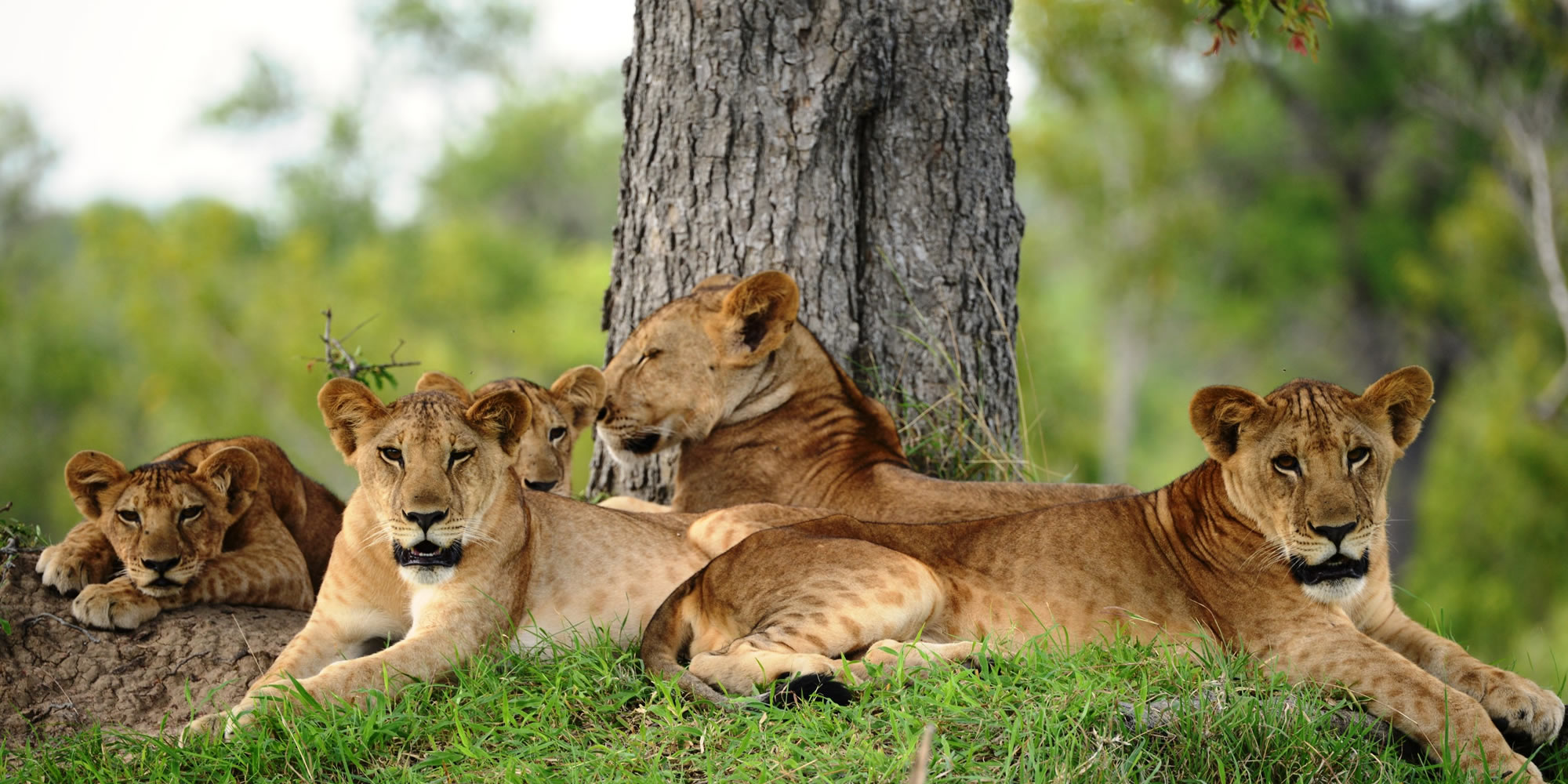
The abundance of newborn animals attracts a high concentration of predators, making the calving season one of the most dramatic periods in the Serengeti ecosystem. Lions, cheetahs, hyenas, and leopards actively hunt across the plains, taking advantage of the vulnerable young.
Unlike other times of the year, predator-prey interactions occur more frequently and can be observed throughout the day. For visitors, this provides rare opportunities to witness real hunting behavior, strategic stalking, and survival instincts in action, offering a deeper understanding of the natural balance within the ecosystem.
Ideal Wildlife Viewing Conditions
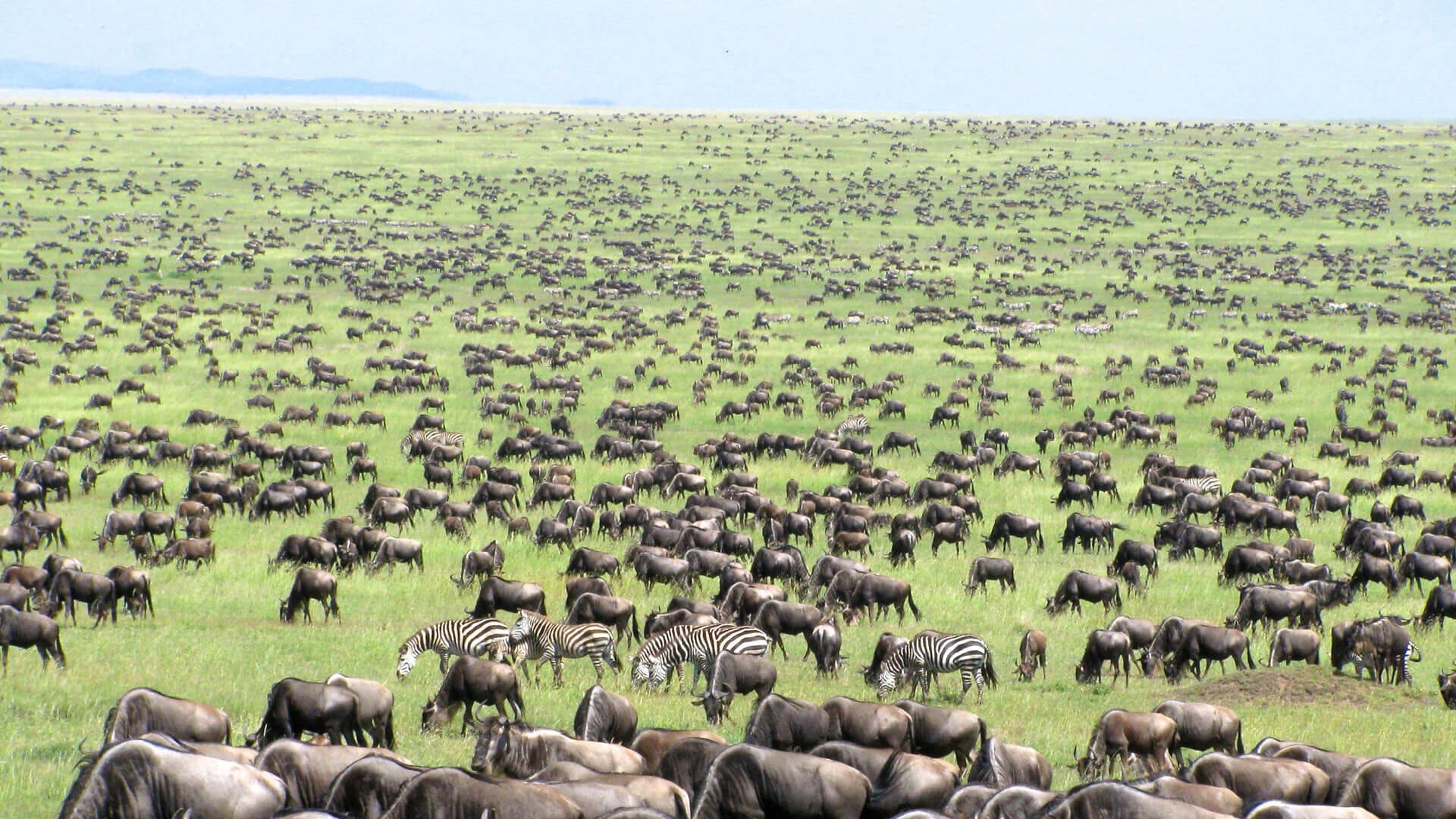
The calving season takes place on the short-grass plains of the southern Serengeti, where vegetation remains low, and visibility is excellent. This open landscape allows for uninterrupted views across vast distances, making it easier to locate and observe wildlife.
Game drives during this period are highly productive, as animals are more concentrated and active. Unlike dense bush areas, where sightings can be limited, the plains offer a clear, expansive setting for tracking herds and predators alike.
Exceptional Photography Opportunities
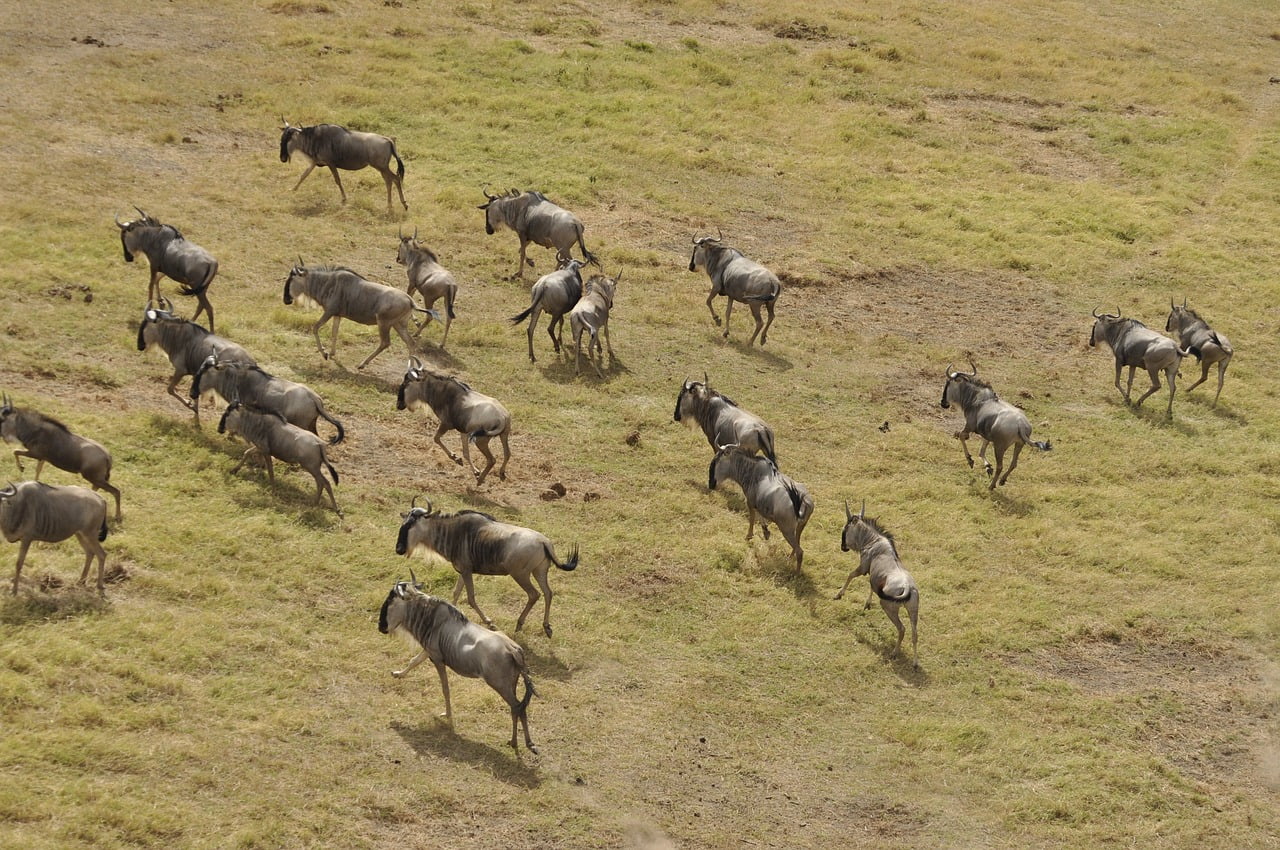
For photographers, the calving season offers some of the most compelling and diverse subjects in African wildlife photography. The combination of dramatic action, emotional moments, and expansive landscapes creates ideal conditions for capturing powerful images.
Photographers can document newborn calves taking their first steps, predator chases across open terrain, and the interaction between herds and their environment. The soft green backdrop of the rainy season and the golden light during sunrise and sunset further enhance the visual experience.
The Southern Migration Phase
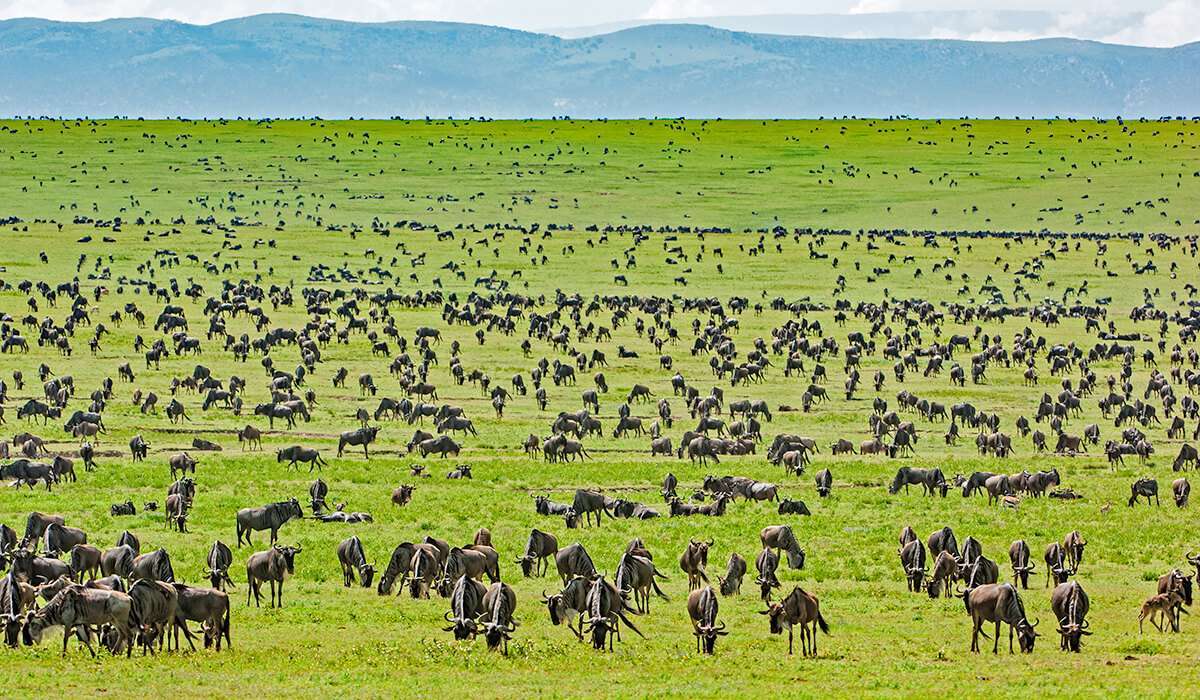
During the calving season, the Great Migration settles in the southern part of Serengeti National Park and extends into the Ndutu region. Unlike the northern river crossing phase, this stage focuses on reproduction rather than movement.
The herds gather in large numbers due to the availability of nutrient-rich grasses, which are essential for lactating mothers and growing calves. This concentration of wildlife creates a unique opportunity to observe the migration in a more stable and localized setting.
Best Weather & Landscape
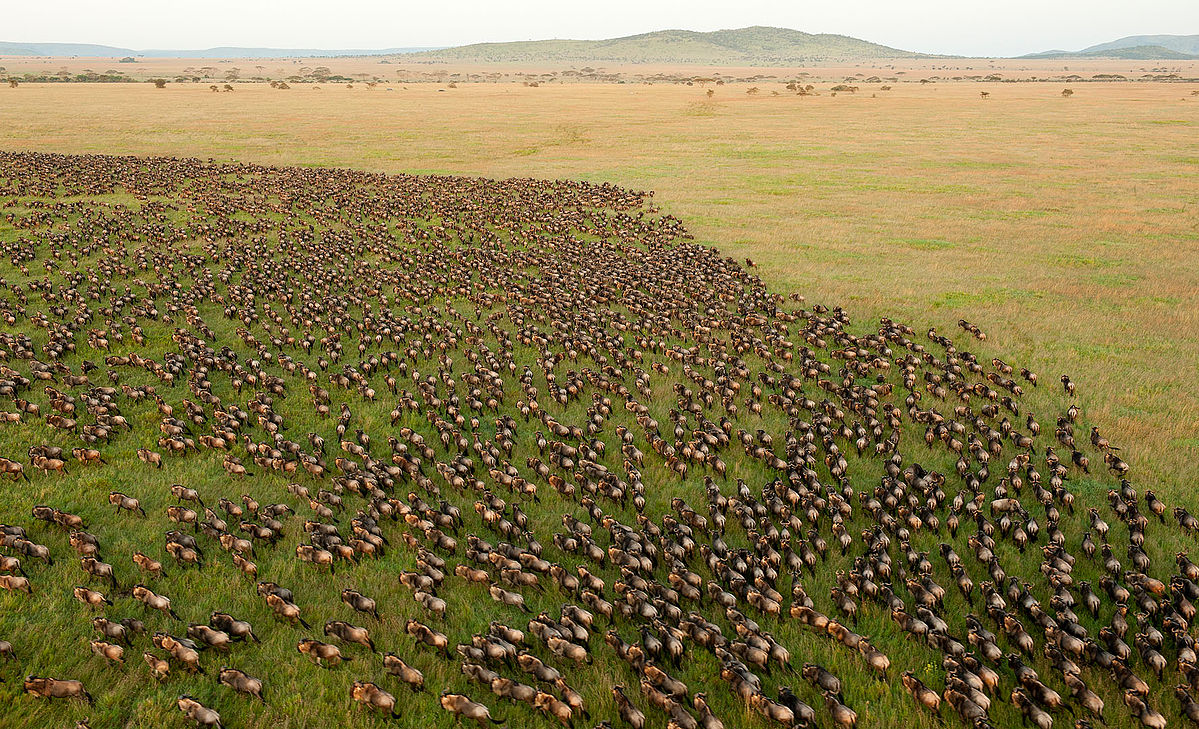
The calving season coincides with the green season, when the plains are revitalized by seasonal rains. Fresh grass covers the landscape, providing abundant food for herbivores and supporting the health of the herds.
The scenery during this time is vibrant and full of life, offering a striking contrast to the dry season. Skies are often dramatic, with a mix of sunshine and clouds that add depth and beauty to the environment. This lush setting enhances both the safari experience and photographic opportunities.
Fewer Crowds Compared to Peak Season

Compared to the popular river crossing season in the northern Serengeti, the calving season typically sees fewer visitors. This allows for a more exclusive and intimate safari experience.
Game drives are less crowded, and wildlife sightings can often be enjoyed without the presence of multiple vehicles. For travelers seeking a quieter and more immersive connection with nature, this period offers a significant advantage.
Best Areas to Visit

To fully experience the calving season, visitors should focus on the southern plains of Serengeti National Park and the nearby Ndutu area within the Ngorongoro Conservation Area.
These regions provide the ideal combination of grazing conditions, open landscapes, and high wildlife density. Lodges and camps in these areas are strategically located to offer quick access to prime game-viewing locations, maximizing time spent observing wildlife.
Why Calving Season is Special

The calving season is not only a highlight of the Great Migration but also a powerful demonstration of life, survival, and natural cycles in the wild. It offers a more intense and emotional experience compared to other times of the year, as visitors witness both the beginning of life and the challenges that come with it.
For those seeking a deeper and more meaningful Tanzania safari experience, the calving season provides a unique perspective on the Serengeti ecosystem and its incredible wildlife dynamics.

Tanzania Travel Stories and Tips