$3,420/
Per Person The 9 day Northern Circuit Route offers a unique and exhilarating way to summit Mount Kilimanjaro, Africa’s highest peak. Known for its breathtaking scenery, diverse landscapes, and excellent acclimatization profile, this route is the longest but also one of the most rewarding. Starting from the quieter northern side of the mountain, the Northern Circuit provides trekkers with a less crowded, more remote experience, allowing for a deeper connection with nature and unparalleled panoramic views.
This route takes you through lush rainforests teeming with wildlife, across the expansive Shira Plateau, and along the rugged northern slopes with views of the Kenyan plains. The gradual ascent and extended duration make it ideal for acclimatization, significantly increasing the chances of reaching the summit. The Northern Circuit Route not only offers the adventure of a lifetime but also a journey through Kilimanjaro’s stunning ecological zones, from dense forests to alpine deserts and arctic conditions at the summit.
Success Rate
The success rate for the 9-day Northern Circuit Route is high, typically around 95%, due to its excellent acclimatization profile and gradual ascent.
Best Months to Climb
The best months to climb Kilimanjaro via the Northern Circuit Route are January to mid-March and June to October, aligning with the dry seasons for better weather conditions.
Daily Hiking Hours
Expect to hike between 3 to 7 hours daily, with the summit day being the longest at 12 to 15 hours.
Snowfall Months
Snowfall on Kilimanjaro is more likely during the wet seasons (March to May and November) and at higher altitudes throughout the year.
Join us on the 9-day Northern Circuit Route for an extraordinary adventure to the roof of Africa. With our experienced guides and well-planned itinerary, this journey offers an unparalleled experience of Kilimanjaro’s beauty and diversity.
Included and Excluded
- Quality, waterproof, four-season private mountain sleeping tents:
- Professional, experienced, mountain guides:
- All Park fees Airport transfers Rescue fees
- All meals while on the Mountain
- Guides, Porters, cook salaries and park fees
- Quality Mess tents with table and chairs
- Large portions of fresh, healthy nutritious food
- Clean, purified drinking water
- Oximeter
- Medical Kit
- Emergency oxygen
- Fair and ethical treatment of porters
- Accommodation in Arusha
- Portable toilet
- Flights
- Alcoholic and soft drinks
- Visa fees
- Tips Personal spending monies for souvenirs etc.
- Travel insurance
Highlights of the Tour
- Enjoy panoramic views and diverse landscapes, including lush rainforest, high-altitude desert, and arctic conditions.
- Experience a quieter trek with fewer crowds compared to other popular routes.
- Benefit from a longer route with gradual ascent, increasing your chances of successful acclimatization and summit.
- Trek around the less-traveled northern slopes, offering unique views and a remote wilderness experience.
- Higher chances of encountering wildlife, especially in the lower rainforest zone.
- Interact with local guides and porters, learning about their culture and traditions.
- Reach Uhuru Peak, the highest point in Africa, and witness breathtaking sunrise views from the summit.
Itinerary
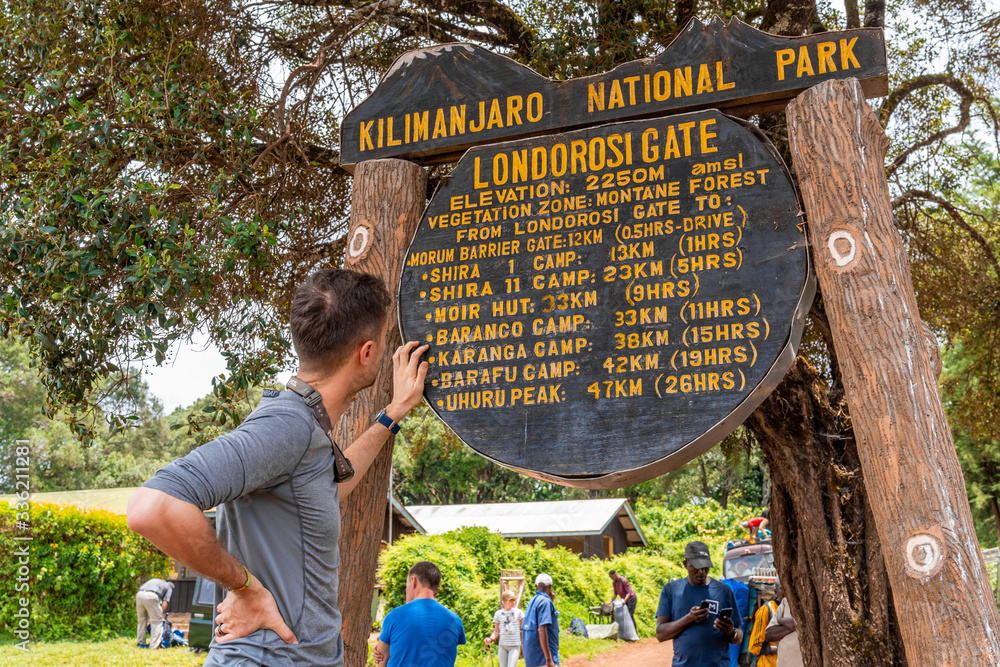
Start your trek at Londorossi Gate with registration and permits. Begin the hike through the lush rainforest to Mti Mkubwa Camp, where you may spot wildlife such as colobus monkeys.
- Distance: 6 km
- Hiking Time: 3-4 hours
- Habitat: Rainforest
Continue through the rainforest and transition into the heath and moorland zone. Cross several streams before reaching the Shira Plateau and Shira 1 Camp.
- Distance: 8 km
- Hiking Time: 5-6 hours
- Habitat: Moorland
Trek across the Shira Plateau, a high-altitude desert, with expansive views of the surrounding landscapes. Arrive at Shira 2 Camp in the afternoon.
- Distance: 7 km
- Hiking Time: 3-4 hours
- Habitat: Moorland
Ascend gradually to Lava Tower, an important acclimatization point. After lunch at Lava Tower, descend to Moir Hut, located in a remote valley.
- Distance: 14 km
- Hiking Time: 6-8 hours
- Habitat: Alpine Desert
Follow a less-traveled path to the northern slopes of Kilimanjaro. Trek through valleys and across ridges with stunning views of the Kenyan plains. Reach Buffalo Camp in the late afternoon.
- Distance: 12 km
- Hiking Time: 5-7 hours
- Habitat: Alpine Desert
Continue along the northern circuit route, crossing several valleys and streams. The trail offers spectacular views and a relatively gentle ascent to Third Cave Camp.
- Distance: 8 km
- Hiking Time: 4-5 hours
- Habitat: Alpine Desert
Today’s trek involves a steady climb to School Hut, the base camp for your summit attempt. Arrive early in the afternoon to rest and prepare for the night’s ascent.
- Distance: 5 km
- Hiking Time: 4-5 hours
- Habitat: Alpine Desert
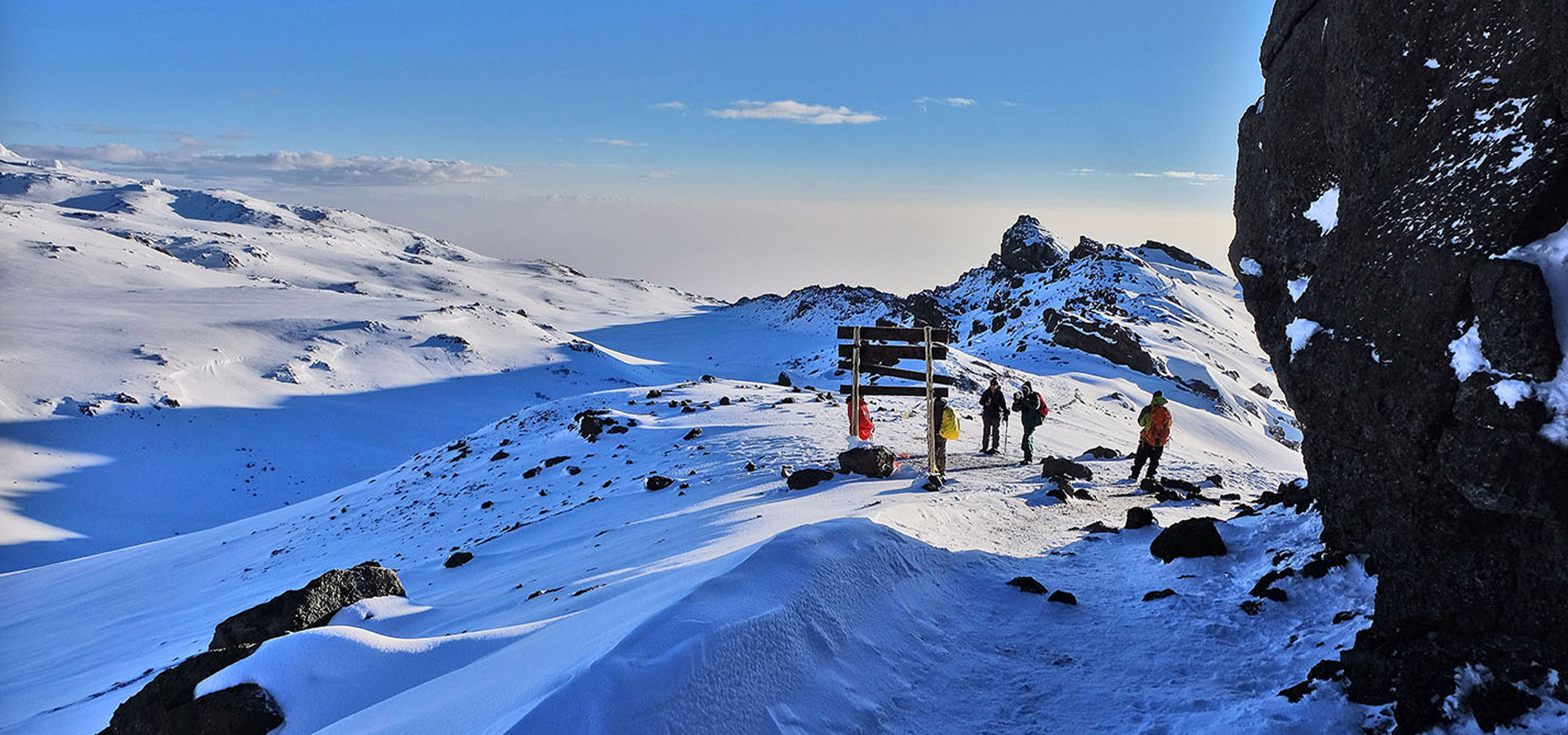
Begin your summit attempt around midnight. The steep and challenging trail leads to Gilman’s Point (5,685m) and continues along the crater rim to Uhuru Peak. After celebrating your achievement, descend to Barafu Camp for a short rest and then continue down to Mweka Camp.
- Distance: 17 km
- Hiking Time: 12-15 hours
- Habitat: Arctic to Moorland
Enjoy your final descent through the lush rainforest to Mweka Gate. Celebrate your successful climb with a certificate of achievement and transfer back to Moshi.
- Distance: 10 km
- Hiking Time: 3-4 hours
- Habitat: Rainforest
Frequently Asked & Question
If you’re weighing the different approaches to Kilimanjaro’s Northern Circuit, the daily hiking distances and walking hours play a big role in shaping the trek’s pace, comfort, and acclimatization. While all versions of the route traverse the mountain’s diverse zones, there are notable differences in how long you’ll be on your feet from day to day.
9-Day Standard Northern Circuit
The classic 9-day itinerary offers a well-balanced pace:
Most days involve hikes of 3 to 7 hours, with manageable distances between 4 and 12 kilometers (roughly 3 to 7 miles).
Early days start gently—expect 3-4 hours through lush rainforest, followed by 5-6 hours over rolling heath and moorlands.
On summit day, brace for a lengthy stretch: a challenging 12-15 hour push (split between the climb up and the descent), covering over 18 kilometers in total.
This extended duration allows trekkers more rest and better acclimatization, with daily mileage spread out to keep altitude gain gradual.
8-Day Itinerary
The 8-day option condenses the route by combining certain segments:
The main difference is a longer day merging the terrain from Shira 1 through Moir Hut, pushing the hike to about 5-7 hours and 11 kilometers (7 miles).
Daily walking times generally remain within the 4-7 hour range, but with slightly increased distances per day on the plateau stages.
This means less downtime for rest and adaptation, demanding a bit more stamina, especially during the mid-section of the route.
9-Day Daytime Summit Variation
If night-time summits aren’t your cup of tea, the daytime variation changes things up:
Days 1 through 6 closely mirror the 8-day route—expect 4-7 hour hikes, ranging from 4 to 12 kilometers.
Summit day is broken into two more approachable halves: a challenging but daylight ascent (often 7-9 hours up), followed by a shorter descent or overnight at a higher camp, making for a less grueling experience overall.
This approach avoids the long, cold push at midnight and offers a gentler descent after summiting, spreading the effort out more evenly.
At a Glance: Daily Demand Across Routes
Longest day: Standard route’s summit push (12-15 hours), versus a split summit day in the daytime variation (7-9 hours up, 2-3 hours down).
Condensed pace: 8-day route compresses segments, increasing single-day effort.
Best acclimatization: 9-day standard, thanks to more days and gentle altitude gain.
Daily mileage: Most days average 4-12 kilometers, but the difference lies in how that distance is split and stacked across your trek.
Ultimately, the standard 9-day itinerary prioritizes a steady climb with more rest opportunities, the 8-day option tightens the schedule for those with less time, and the daytime summit route offers an alternative to the traditional nocturnal push. Whichever you choose, each variation offers its own rhythm, with careful pacing key to enjoying Kilimanjaro’s remote northern flanks.
Opting for a daytime summit push, rather than the traditional midnight ascent, brings several advantages that can make your trek both more comfortable and enjoyable. By setting out during daylight hours, you avoid the biting cold, high winds, and darkness that often accompany a night summit. The milder temperatures make for a more pleasant journey, while the natural light allows you to fully appreciate the dramatic landscapes unfolding around you as you climb towards Uhuru Peak.
A daytime ascent can also be less physically demanding, with a shorter and more manageable summit day. Instead of powering through fatigue in the middle of the night, you'll have more energy and a steadier pace, increasing your overall comfort and confidence. After reaching the summit, the route descends to Barafu Camp at a gentler pace, offering additional time to rest and recover before heading down the mountain.
For those seeking a slightly gentler approach to summiting, the Northern Circuit also offers a daytime summit variation. Unlike the classic midnight start, this alternative lets you tackle the final ascent in daylight—meaning you’ll avoid the biting cold and gusty winds of the early hours.
What does this mean for your trek?
Summit Day Feels Less Daunting: You’ll have better visibility and warmer conditions, so reaching the top is no longer a test of your willpower against subzero darkness but a more comfortable, scenic journey to Uhuru Peak.
A More Relaxed Descent: After celebrating at the summit, you’ll head down to Barafu Camp for the night—rather than making the much longer push to Mweka Camp. This gentler descent pace gives your legs a well-earned rest and adds an extra day to the itinerary, helping with overall recovery.
In short, the daytime summit option not only enhances comfort on summit day but also provides a smoother transition as you begin your descent.
Staying overnight at Crater Camp presents added challenges due to its extreme elevation—over 18,800 feet (5,730 meters). At this altitude, there is a significantly increased risk of altitude-related illnesses, especially acute mountain sickness (AMS). Symptoms can escalate rapidly, and serious conditions such as High Altitude Cerebral Edema (HACE) and High Altitude Pulmonary Edema (HAPE) are real concerns.
Even well-acclimatized trekkers may struggle with intense headaches, nausea, or breathlessness during the night. The low oxygen levels can make sleeping difficult and amplify the effects of fatigue from previous days’ climbs. For this reason, experienced guides will monitor everyone closely, ensuring safety protocols are followed and that anyone experiencing severe symptoms can descend promptly.
Crater Camp is typically recommended for those with proven high-altitude experience and excellent acclimatization on previous expeditions, as the environment here is significantly harsher than other camps lower on the mountain.
For those seeking something truly extraordinary on their Kilimanjaro adventure, Crater Camp takes the experience to new heights—literally and figuratively. Nestled within Kibo's volcanic crater, just below the summit at nearly 5,800 meters, this is the most remote and exclusive campsite on the mountain. Few trekkers stay here, making it a unique opportunity for those eager to push the envelope.
Staying at Crater Camp allows trekkers to wake up amidst a surreal landscape of ancient glaciers and volcanic formations. You’ll have the rare chance to explore natural wonders like the Furtwangler Glacier—one of Kilimanjaro’s last remaining ice fields—and peer into the Ash Pit, a dramatic volcanic vent that offers a glimpse into the mountain's fiery origins.
Your time at Crater Camp isn’t just about ticking a box—it's about truly embracing the mountain’s raw, unfiltered beauty. With the air thin and the landscape stark, you'll feel as though you’ve landed on another planet. And if energy allows, optional short hikes from camp let you wander quiet expanses of ice and ash, observing up close the geological forces that shaped Africa’s highest peak.
Due to the high altitude and increased risk of altitude-related illness, overnight stays at Crater Camp are carefully managed and typically offered only on private climbs for well-acclimatized and experienced adventurers. Your guides will keep a close eye to make sure everyone is safe and comfortable.
For the intrepid, Crater Camp promises a night few will ever forget—surrounded by stars and glaciers at the very top of Africa.
For climbers short on time yet eager for adventure, the 8-day Northern Circuit Route offers a slightly condensed version of the classic 9-day journey. The key difference? The 8-day itinerary merges two days into a single, longer trek, making it one day shorter but still delivering the stunning vistas, diverse landscapes, and strong acclimatization profile the route is famous for.
Below is a breakdown of the 8-day itinerary and a quick comparison to help you see how it stacks up against the 9-day route:
Key Distinction
The 8-day variation combines what are typically days 3 and 4 on the 9-day route, streamlining the trek from Shira 1 Camp all the way to Moir Hut, and bypassing a detour to Lava Tower.
This makes for a longer day on trail and slightly less acclimatization time—but for fit trekkers or those with a tight schedule, it’s a worthy trade-off.
8-Day Northern Circuit Itinerary
Day 1: Londorossi Gate to Mti Mkubwa Camp (Big Tree Camp)
After registration at Londorossi Gate and a drive to the trailhead, begin your hike through Kilimanjaro’s lush rainforest. Keep an eye out for black-and-white colobus monkeys as you wind up to the first campsite beneath towering trees.
Approximate Distance: 6 km Elevation Gain: Modest Habitat: Rainforest
Day 2: Mti Mkubwa Camp to Shira 1 Camp
Leave the rainforest behind, ascending into heather and moorland. The trail rolls across streams and volcanic boulders onto the scenic Shira Plateau, offering your first wide-open views.
Approximate Distance: 8 km Habitat: Moorland
Day 3: Shira 1 Camp to Moir Hut (via Shira 2 Camp)
This is the pivotal difference: take a long, steady trek east across the Shira Plateau and moorlands, passing Shira 2 Camp, then divert off the standard path to the remote Moir Hut. This area, tucked beneath the Lent Hills, is an excellent spot for an afternoon acclimatization walk.
Approximate Distance: 11 km Habitat: Moorland & Heath
Day 4: Moir Hut to Buffalo Camp
Traverse out of Moir Valley, with a possible detour up Lent Hills for even better altitude adaptation. The trail dips and climbs across alpine desert terrain, treating you to panoramic northward views stretching toward the border with Kenya.
Approximate Distance: 12 km Habitat: Alpine Desert
Day 5: Buffalo Camp to Third Cave
Head out along the wild Buffalo Ridge, entering increasingly barren landscapes with a true sense of wilderness. The path eases onto the more isolated northern slopes, ending at Third Cave.
Approximate Distance: 8 km Habitat: Heath
Day 6: Third Cave to School Hut
Today’s push rises steadily up to School Hut, crossing the high-altitude Saddle between Kilimanjaro’s two iconic volcanic cones—Kibo and Mawenzi. The landscape shifts to stark alpine desert, setting the stage for your summit bid.
Approximate Distance: 5 km Habitat: Alpine Desert
Day 7: School Hut to Uhuru Peak; Descent to Mweka Camp
Summit Day begins in the dead of night: bundle up and ascend the final steep path to Kilimanjaro’s highest point, Uhuru Peak (5,895m). After a sunrise you’ll never forget, descend all the way to the rainforest at Mweka Camp, making for a long but unforgettable day.
Total Distance: ~18 km Habitats: Arctic summit, then rainforest
Day 8: Mweka Camp to Mweka Gate
From Mweka Camp, trek the final stretch down through lush forest to Mweka Gate. Celebrate with your summit certificate before returning to much-deserved comfort in town.
Approximate Distance: 10 km Habitat: Rainforest
Summary Table: Comparison with the 9-Day Route
8-Day Route: Shira 1 → Shira 2 → Moir Hut combined into one day, skipping Lava Tower acclimatization.
9-Day Route: Maintains a shorter day and additional acclimatization at Lava Tower, offering a gentler ascent profile.
This 8-day adaptation preserves the heart of the Northern Circuit’s beauty and success, balancing time-efficiency with the adventure of traversing Kilimanjaro’s most remote slopes. If you’re aiming for the less-traveled path and have a week to spare, this might just be your ticket to the roof of Africa.
For those seeking an even more extraordinary adventure, the 10-Day Northern Crater option builds upon the standard 9-day Northern Circuit Route with a truly once-in-a-lifetime experience: a night spent at Crater Camp.
Crater Camp is perched just below Kilimanjaro’s summit, right inside the mountain’s volcanic crater. This remote and exclusive campsite allows trekkers the rare chance to explore features usually missed by most climbers, such as the awe-inspiring Furtwängler Glacier and the remarkable Ash Pit at the heart of the crater itself.
It’s important to note: camping at such extreme altitude comes with additional risks, so this variation is offered only as a private, specially arranged climb for experienced adventurers. For those willing to take on the challenge, the reward is a night on the roof of Africa, surrounded by Kilimanjaro’s icy giants and ancient volcanic wonders, making your summit experience even more unforgettable.
For those seeking a less conventional approach to Kilimanjaro, the 10-day Northern Circuit with a daytime summit offers an even more comfortable acclimatization window, as well as the chance to summit under the warmth of daylight rather than during the coldest hours. Here’s how your adventure unfolds, day by day:
Day 1 – After a morning transfer from Moshi or Arusha, you’ll register at Londorossi Gate before heading to the Lemosho trailhead. From here, set out on a gentle trek through pristine rainforest, keeping an eye out for curious colobus monkeys. The first night is spent nestled at Mti Mkubwa Camp.
Day 2 – Leaving the dense forest behind, the path rises into a wild heath zone. Stroll through tall grasses and volcanic landscapes on your way up to the expansive Shira Plateau. Arrive at Shira 1 Camp, often greeted by your first breathtaking view of Kilimanjaro’s main peak, Kibo.
Day 3 – Continue across the Shira Plateau on relatively gentle terrain, traversing open meadows dotted with wildflowers as you make your way to Shira 2 Camp.
Day 4 – Today brings a gradual climb towards the striking Lava Tower, followed by a descent to Moir Hut on the flanks of Lent Hills. This region is excellent for extra acclimatization hikes, with panoramic vistas across the Shira Plateau—one of the world’s loftiest plateaus.
Day 5 – Trekking out of Moir Valley, a morning climb leads you atop Lent Hills. From here, rejoin the main trail and cross a rocky moonscape, ending at the remote Buffalo Camp, where views reach all the way to the Kenyan border.
Day 6 – The journey continues along the undulating Buffalo Ridge toward Third Cave Camp. This rarely traveled northern section delivers true solitude and an unspoiled mountain wilderness feel.
Day 7 – Your climb becomes steeper as you ascend towards School Hut, crossing the broad saddle between Mawenzi and Kibo peaks. This is a short day to allow for plenty of rest and preparation for your summit attempt.
Day 8 – Under the morning sun, set out for Uhuru Peak, the highest point in Africa. The final push is demanding but rewarding, with sunrise lighting your path to the “Roof of Africa.” After a moment to celebrate and snap your summit photos, descend to Barafu Camp for a well-earned rest.
Day 9 – The long descent continues down to Mweka Camp, passing from alpine desert into the misty rainforest. The terrain can be rocky, and trekking poles are invaluable here.
Day 10 – On your final morning, make your way through lush forest to the Mweka Gate. It’s often wet and muddy at lower elevations, but spirits are high with the accomplishment of your climb. After registration, a vehicle whisks you back to your hotel for a hot shower, a good meal, and to collect your summit certificate.
This extended itinerary eases the physical demands with shorter daily distances and additional acclimatization. You’ll enjoy a more comfortable summit experience, plenty of wildlife-spotting opportunities, and extra time to appreciate Kilimanjaro’s extraordinary scenery.
For those seeking an alternative to the traditional 9-day itinerary, the 10-day Northern Circuit (Daytime Summit) offers a unique twist—swapping the usual midnight summit push for an ascent in the light of day. This adjustment offers several key advantages:
Gentler Summit Experience: By climbing to the summit during daylight hours, trekkers avoid the biting cold and frequently harsh winds that characterize Kilimanjaro’s nighttime ascent.
Shorter Summit Day: The daylight approach means summit day itself is less grueling, with fewer hours spent on your feet, which can make a significant difference in comfort and energy.
Relaxed Descent: Instead of descending all the way to Mweka Camp after reaching the summit, climbers return to Barafu Camp. This pace allows extra time for recovery and avoids an arduous post-summit trek.
Ideal for Those Wanting a Milder Challenge: With the overall pace stretched across ten days, this variation is popular among trekkers who prefer a less physically demanding experience while still immersing themselves in Kilimanjaro’s iconic scenery and diverse terrains.
Whether you’re looking for increased comfort or aiming to maximize your summit success, the 10-day Northern Circuit (Daytime Summit) offers a thoughtful option for your climb.