To More Inquiry

Nestled amidst the undulating landscapes of northern Tanzania, Lake Eyasi remains a captivating yet lesser-known destination that promises intrepid travelers a glimpse into ancient cultures and diverse wildlife. Situated at the southwestern edge of the Ngorongoro Conservation Area, Lake Eyasi is a shallow, seasonal salt lake that plays a crucial role in both the ecosystem and cultural heritage of the region. Located approximately 50 kilometers west of Lake Manyara and 30 kilometers south of Ngorongoro, this secluded lake lies in the heart of northern Tanzania’s dramatic Rift Valley landscape. Its remote position, away from the area’s more-traveled safari routes, lends Lake Eyasi an air of quiet mystery and unspoiled beauty, drawing in those seeking a more off-the-beaten-path adventure.

Getting to Lake Eyasi from Arusha is a journey in itself—one that winds through the heart of Tanzania’s countryside and offers a tapestry of rural life along the way. The route skirts south of Arusha, traversing gently rolling fields dotted with maize crops that nod to Tanzania’s evolving agricultural landscape. Thoughtful travelers might notice placards marking the latest advances in farming, a quiet sign of change in these fertile lands.
As you make your way westward, the road brings you to the lively market town of Mto wa Mbu, perfectly positioned at the gateway to Lake Manyara National Park. It’s a natural place to pause for a cold drink or a quick snack. Glimpses of Lake Manyara reveal a landscape transformed in recent years by rising water levels—stands of once-thriving acacia now jut starkly from the lake’s edge, while old lakeside lodges stand half-submerged, nature quietly reclaiming its ground.
Continuing, the landscape grows more secluded as the main arteries to Serengeti peel away, leaving only the adventurous forging on toward Eyasi. The lake lies tucked away, about 50 kilometers west of Lake Manyara and some 30 kilometers south of Ngorongoro. The detour may lose you in the shuffle of Tanzania’s marquee safari circuit, but that’s precisely its appeal.
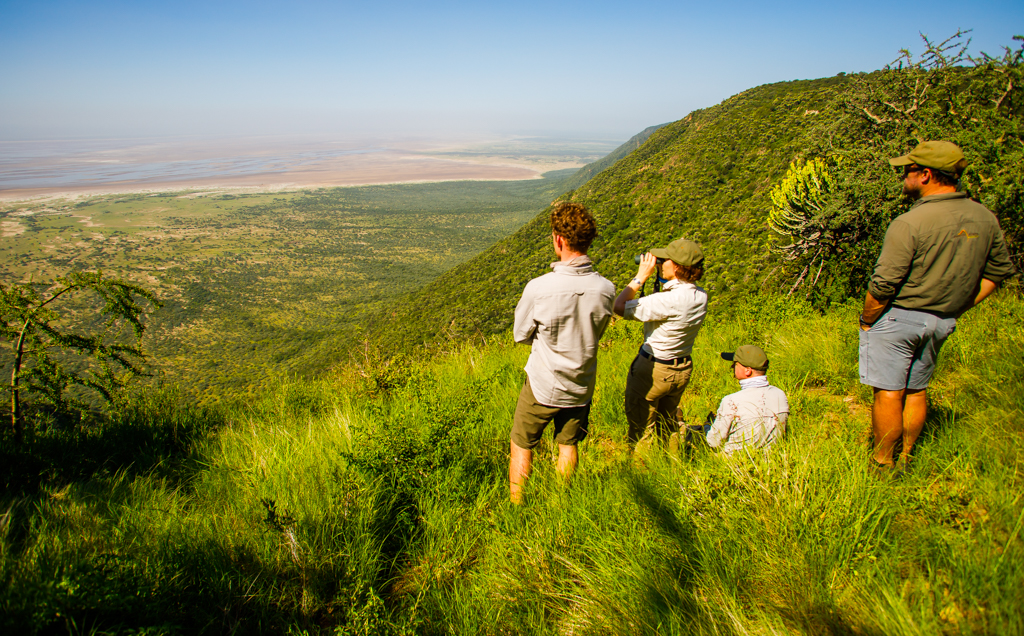
Those who venture this way are rewarded with sweeping valley views, glimpses of village life, and the first hints of Lake Eyasi’s shimmering, silvery surface in the distance, heralding the start of a completely different Tanzanian experience.
Stretching some 91 kilometers north-south, Lake Eyasi is a large, narrow lake whose shallow waters are rich in salts. Its seasonal ebb and flow, fed by intermittent rivers and springs, sustains a rich tapestry of flora and fauna. The saline nature of the lake means that during dry periods, water becomes increasingly toxic, and fish that enter from surrounding rivers often do not survive as the lake recedes. Fishing is therefore unreliable, with local fishermen—often migrants from Lake Victoria—only venturing here when water levels are high enough to support a small fish species, which they dry in the sun and mill for chicken feed. As a result, the surrounding communities primarily practice pastoralism and small-scale farming, adapting ingeniously to the lake’s changing moods.
The lake’s dynamic ecosystem is a crucial habitat for numerous bird species and mammals, offering a constantly evolving landscape that transforms dramatically with the seasons.
Life around Lake Eyasi has long been shaped by the lake’s ever-shifting waters. Due to its high salinity, the lake supports only limited aquatic life, making large-scale fishing unsustainable. When water levels are high, migratory fishermen from Lake Victoria arrive to catch a small species of fish that can tolerate the saltier environment. These fish are typically dried in the sun and processed for uses such as chicken feed, but as the water recedes and salinity rises, fishing opportunities decline sharply.
Because fishing yields are unpredictable, most residents depend on farming and animal husbandry. The area’s agricultural landscape underwent a dramatic transformation in recent years, especially after the expansion of electrification in 2015. Access to electric pumps made it possible for farmers to tap into groundwater, turning previously untamed swathes of bushland into flourishing fields—most notably, onions. Lake Eyasi’s red onions are now favored for their quality and are distributed widely across East Africa, creating vital income for many communities.
Farming has provided year-round work for local agricultural laborers, who tend the irrigated fields under the intense Tanzanian sun. Many workers note improved living conditions since the advent of reliable irrigation, citing benefits like transportation, drinking water, and daily meals provided by farm owners. Despite the modest wages, these changes have made a tangible difference for families in this semi-arid region.
Before the advent of rural electrification, Lake Eyasi’s lifeline was a single natural spring—an oasis tucked into a tranquil glade dotted with yellow acacia and tamarind trees. This spring quietly bubbled from the earth, its crystal-clear waters forming a small stream that gently wound its way into a lush swamp. The area teemed with wildlife: baboons and vervet monkeys claimed the branches overhead, while birds flocked to the water’s edge, taking advantage of abundant food and shelter.
The spring was more than a haven for fauna—it was an essential gathering point for local communities. People visited the glade not only for practical needs, such as water for their livestock, but also when seeking a moment of reflection and peace. Bee hives nestled in the tree limbs supplied wild honey, and kingfishers perched watchfully, scanning for fish in the shallow pools. Amid the reeds, even a resident python was known to make an occasional appearance, a subtle reminder of nature’s ongoing cycle. This rare, life-sustaining spring shaped the rhythm of daily life, drawing together wildlife and people alike in this secluded corner of Tanzania.
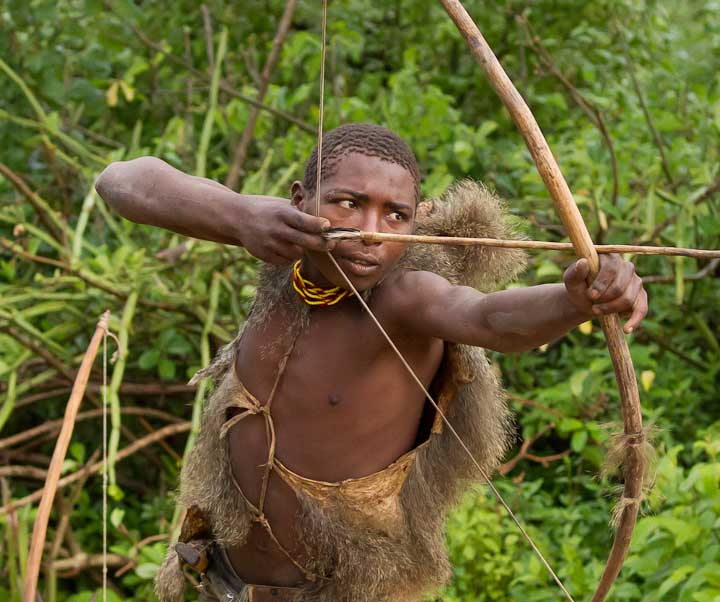
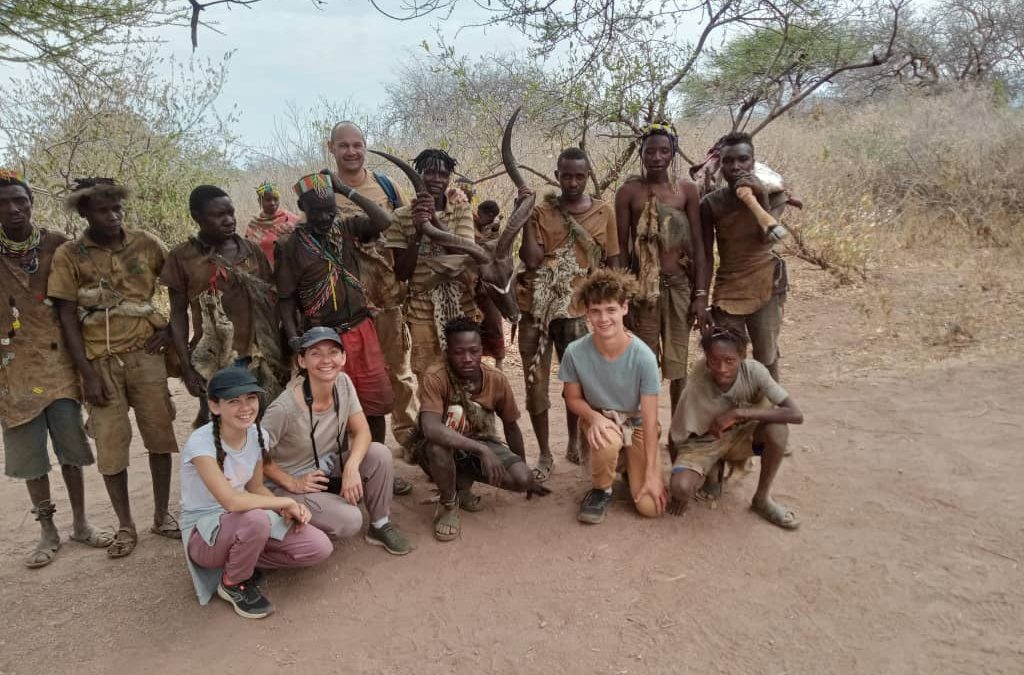
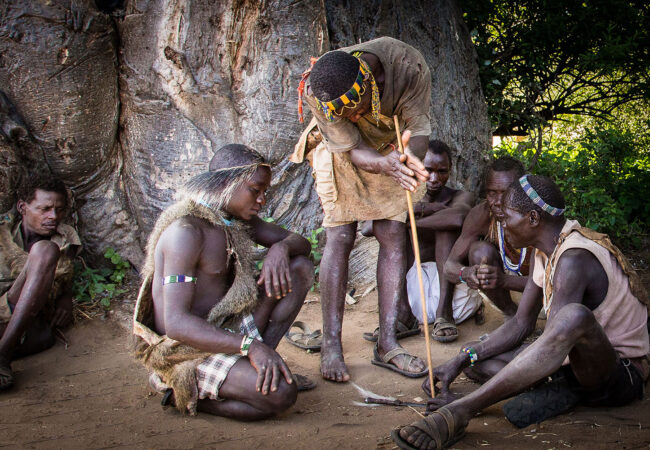
Lake Eyasi is not only a wildlife sanctuary but also a cultural crossroads, home to the indigenous Hadza and Datoga tribes. The Hadza, one of East Africa’s last remaining hunter-gatherer societies, have inhabited the area for millennia, preserving their traditional lifestyle of hunting and gathering. Visitors can immerse themselves in guided tours that unveil the Hadza’s deep connection to their land, their unique language punctuated with clicks, and their profound knowledge of the natural environment.
The Datoga, renowned for their metalworking skills and pastoral lifestyle, also call Lake Eyasi home. Visitors can witness their craftsmanship firsthand, observing traditional methods for creating intricate jewelry and tools passed down through generations.

Onion cultivation has emerged as a significant livelihood in the Lake Eyasi region, thanks to innovative irrigation techniques and the fertile plains that surround the lake. Visiting an onion farm provides a window into the day-to-day realities for agricultural workers.
Fields are meticulously prepared, divided into rectangular plots, and irrigated by a network of shallow channels. Workers tend to these plots in the Tanzanian sun, harvesting onions patch by patch.
A typical workday sees each agricultural worker harvesting about five to six patches, with each patch earning approximately 400 Tanzanian shillings, amounting to the equivalent of around one US dollar per day. While these wages are modest, many workers appreciate added benefits such as transportation, daily meals, and drinking water—all of which mark a considerable improvement compared to conditions before the introduction of boreholes and commercial onion farming.
This industry not only shapes the region’s economy but also offers a glimpse into the resilience and resourcefulness of the people of Lake Eyasi.
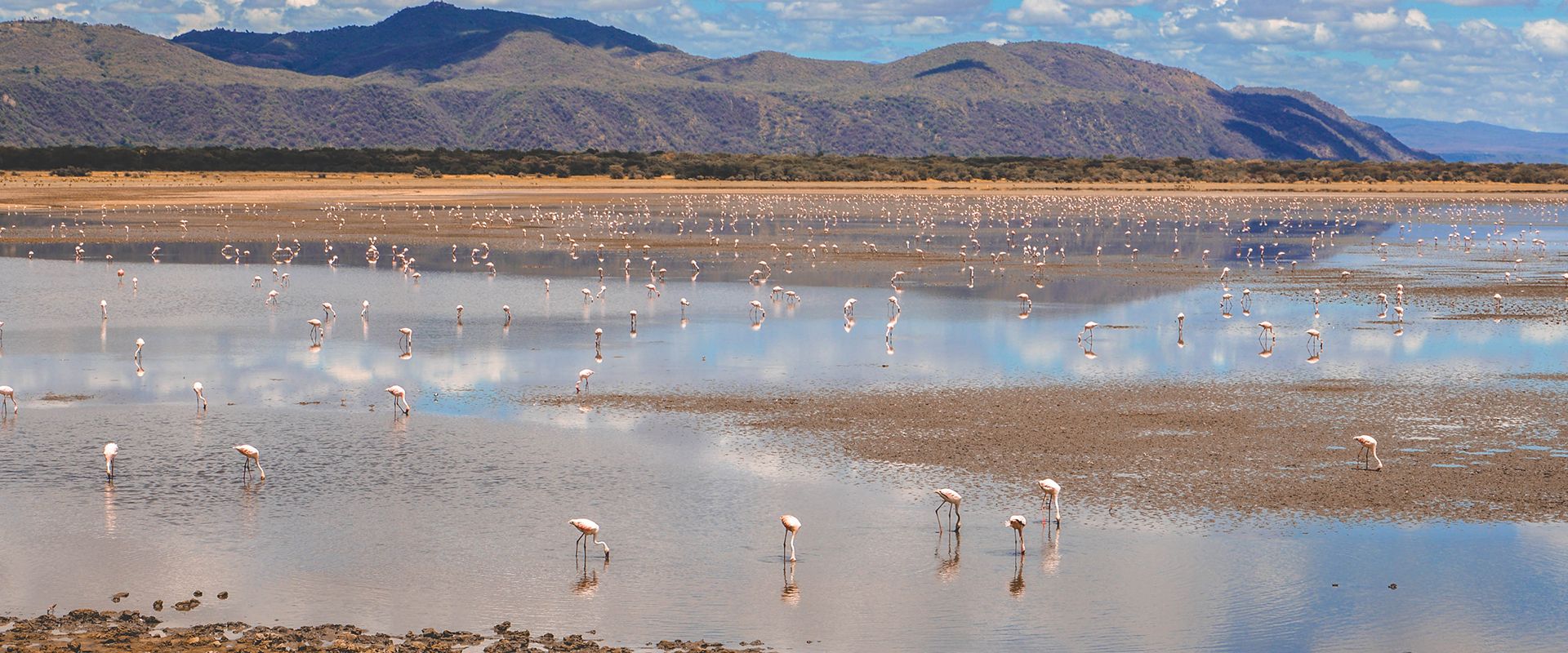
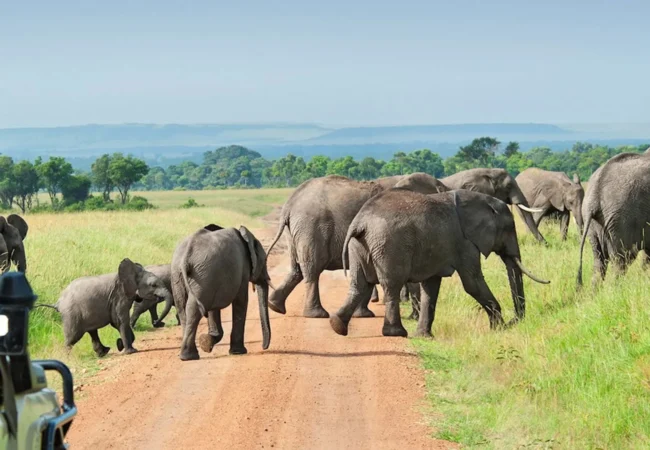
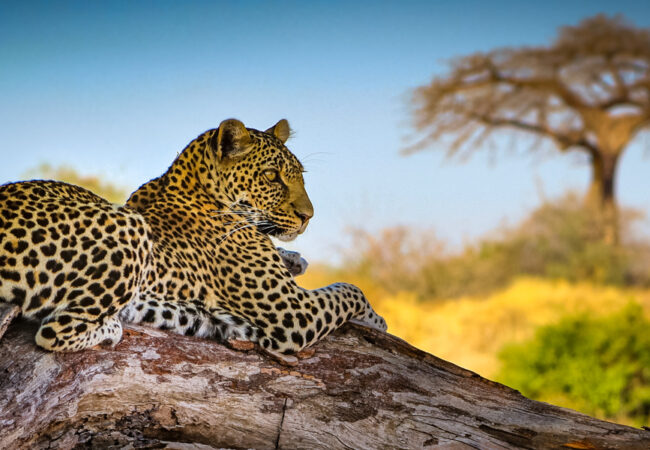
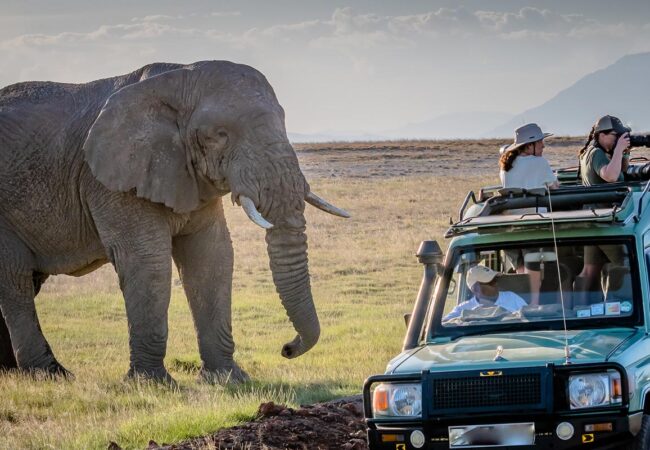
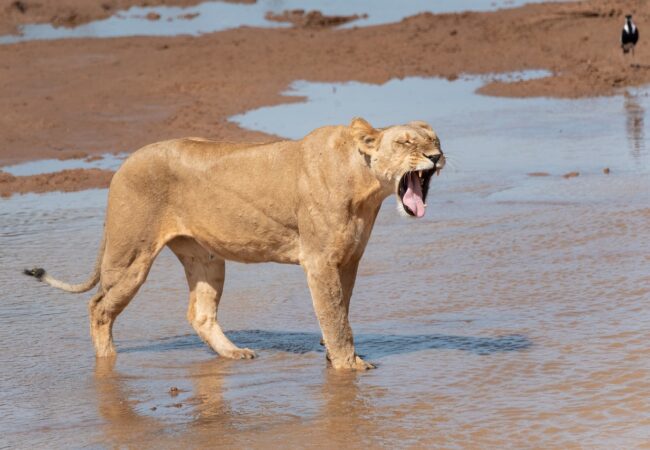
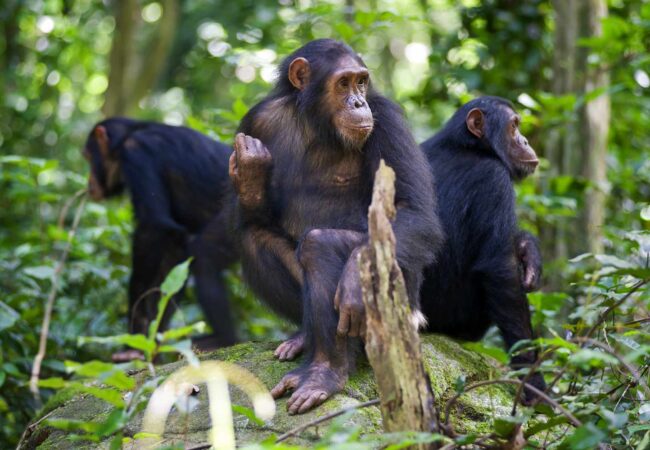
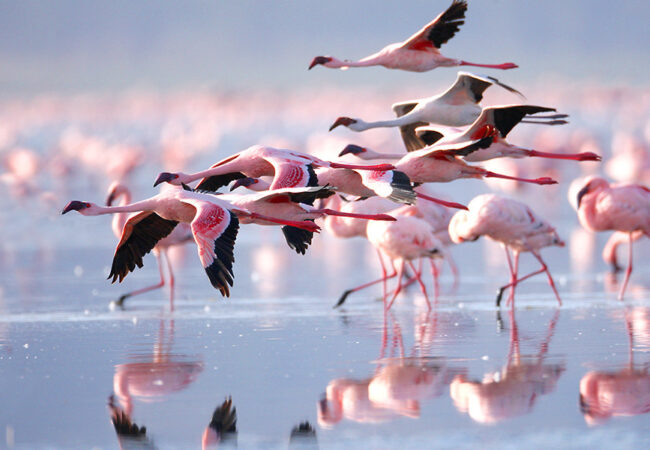
Lake Eyasi’s fluctuating water levels create a dynamic habitat that attracts a diverse array of birdlife, including flamingos, pelicans, storks, and migratory species. Surrounding woodlands and savannahs harbor wildlife such as giraffes, zebras, wildebeests, and occasional leopards, offering ample opportunities for wildlife enthusiasts and photographers.
For adventurous travelers, Lake Eyasi offers unique opportunities to explore off-the-beaten-path landscapes and engage with local cultures. Activities range from guided walks with Hadza trackers to birdwatching excursions and visits to Datoga villages to witness traditional blacksmithing techniques. These experiences provide a deeper understanding of the symbiotic relationship between nature and indigenous communities.

Preserving Lake Eyasi’s delicate ecosystem and supporting the livelihoods of its indigenous inhabitants are paramount. Conservation efforts focus on sustainable tourism practices, community engagement, and educational initiatives to ensure the lake’s long-term ecological and cultural integrity.
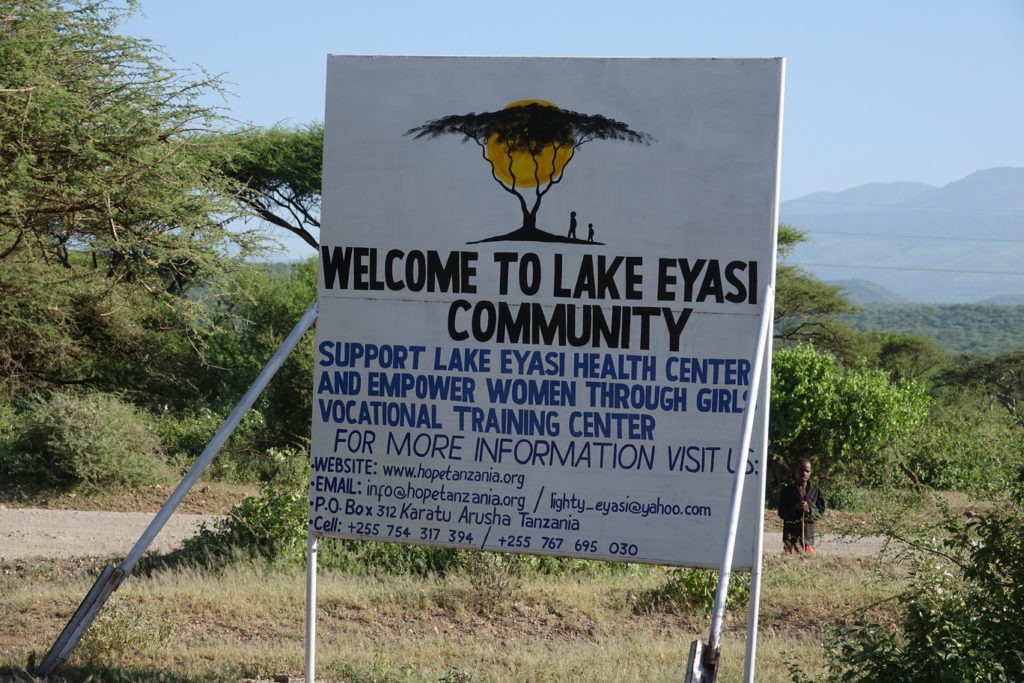
While Lake Eyasi’s scenery and wildlife tend to capture the imagination, another story unfolds in its eastern hinterlands—one rooted, quite literally, in onions. The region has become widely known for cultivating red onions of exceptional quality, a transformation made possible by rural electrification projects that arrived in 2015. This development allowed local farmers to pump groundwater, converting formerly wild bushland into a patchwork of vibrant onion fields.
Today, Lake Eyasi’s red onions are in high demand across East Africa, celebrated for their flavor and superior quality. The farming process itself is both ingenious and hands-on. Fields are organized into small, rectangular plots where water from pumps is carefully directed along shallow earthen canals, ensuring each patch receives just enough moisture. Agricultural workers tend and harvest these onions by hand, often laboring under the open sky.
Though conditions are challenging and wages modest, many workers note improvements thanks to consistent access to water, daily meals, and transportation provided by farm owners. The expansion of onion farming has brought new opportunities to the area, adding another layer to Lake Eyasi’s evolving story—a region where ancient traditions meet modern change.

One of the most significant changes in recent years around Lake Eyasi has been the introduction of rural electrification. When electrical power first reached the region in 2015, it proved a game-changer for the semi-arid communities living along the lakeshore and its hinterlands. With access to the national grid, local farmers could finally harness electric pumps to draw groundwater, sparking a quiet agricultural revolution.
Electricity-fueled irrigation transformed large stretches of Eyasi’s eastern lands—once wild bush—into fields bustling with activity. Today, these fertile plots are a patchwork of onion farms, with Lake Eyasi’s distinctively rich red onions gaining popularity in markets throughout East Africa.
But the impact extends beyond just crop yields. Rural electrification and irrigation have opened up new employment opportunities, drawing workers from surrounding communities. Farm hands now tend orderly plots, harvesting onions under the sun. While daily earnings remain modest, many workers feel the improved conditions—reliable income, employer-provided transport, drinking water, and a daily meal—have markedly improved their quality of life compared to the days before the arrival of electricity and boreholes.
This steady transformation underscores how infrastructure developments like electrification can reshape both the landscape and livelihoods, forging new connections between tradition and progress in the Lake Eyasi region.
While safari tourism in East Africa has often been associated with its colonial roots and a focus on lavish, outsider-centric experiences, a wave of modern operators is reshaping this narrative. Distancing themselves from outdated tropes, these companies emphasize thoughtful engagement with local cultures and prioritize ethical business practices.
Key differences of these progressive safari operators include the following:
The result is a style of travel that not only delights visitors but also uplifts the very people and environments that make East Africa extraordinary.
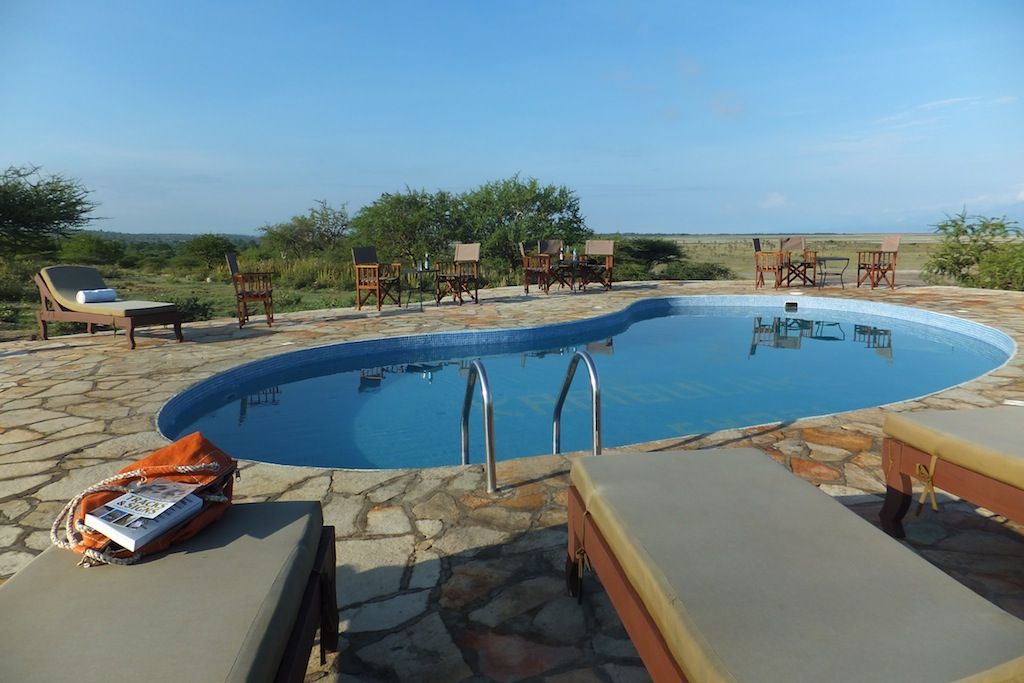
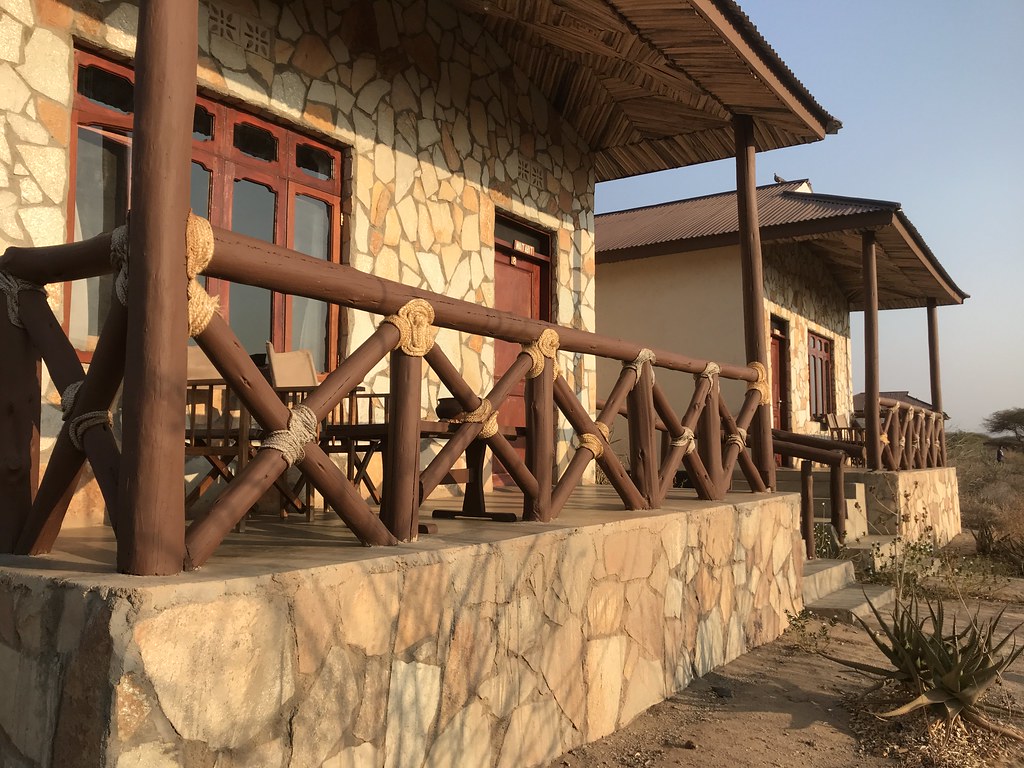
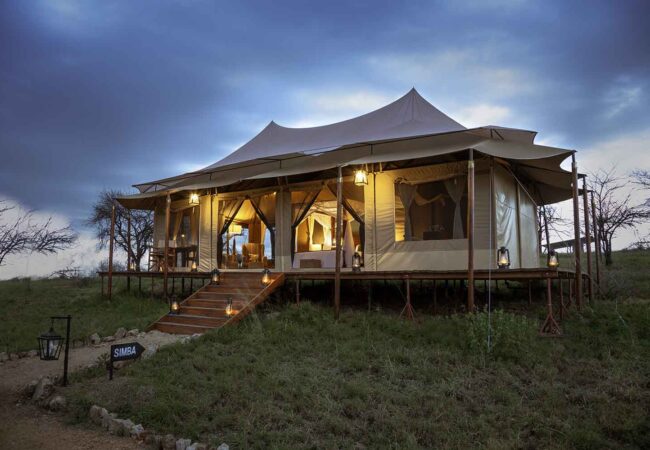
The best time to visit Lake Eyasi is during the dry season (June to October), when wildlife congregates around shrinking water sources, offering prime opportunities for wildlife viewing and cultural immersion. Accommodations range from intimate tented camps to eco-lodges that blend harmoniously with the natural surroundings, providing a comfortable base for exploration.
Many lodges in the area are thoughtfully designed in an Arab-Swahili style, featuring beautiful white-washed walls, graceful symmetries, open spaces, high ceilings, and ample natural ventilation. This architectural approach not only pays homage to the region’s cultural influences but also ensures that guests stay cool and comfortable, even during the warmest months. Whether you’re waking up to birdsong in a tented camp or relaxing in the breezy courtyards of an eco-lodge, you’ll find that Lake Eyasi’s accommodations are as inviting as the landscape itself.
TAXES INCL/PERS
TAXES INCL/PERS
TAXES INCL/PERS

TAXES INCL/PERS
TAXES INCL/PERS
TAXES INCL/PERS
TAXES INCL/PERS
TAXES INCL/PERS
TAXES INCL/PERS