


- 63 Views
- 9 Min Read
- (0) Comment
Tanzania Is Bigger Than Most Travelers Expect

One of the biggest mistakes first-time visitors make when planning a Tanzania safari is underestimating the size of the country. When looking at a map, destinations such as Serengeti National Park, Ngorongoro Crater, Tarangire National Park, and Lake Manyara appear relatively close to one another. In reality, Tanzania is one of Africa’s largest countries, and travel between parks often takes longer than travelers expect.
Many guests booking Tanzania safari packages imagine that moving between parks is similar to driving between attractions in Europe or North America. However, safari travel is part of the adventure itself. The journey from Arusha to Serengeti, for example, passes through changing landscapes, local villages, Maasai communities, and wildlife-rich conservation areas that provide a fascinating introduction to rural Tanzania.
This is one reason why experienced safari planners often recommend spending more time in fewer destinations rather than trying to visit every park in a short period. A well-designed Tanzania safari itinerary allows time to enjoy each destination without feeling rushed. Travelers who spend two or three nights in a location often enjoy deeper wildlife experiences than those constantly moving between parks.
For visitors planning their first Tanzania safari, understanding travel times before arrival helps create realistic expectations and leads to a more enjoyable overall experience.
A Successful Safari Is Not Measured by the Number of Animals You See

One of the most common questions we receive from travelers planning a Tanzania safari is, “Will I see the Big Five?” While the answer is often yes, experienced safari travelers quickly discover that the best wildlife experiences cannot always be measured by a checklist.
Many first-time visitors arrive focused on lions, leopards, elephants, buffalo, and rhinos. These iconic animals certainly deserve their reputation, but some of the most memorable safari moments happen when there is no dramatic action taking place. Watching a family of elephants communicate through low rumbles, observing giraffes move silently across the savannah, or seeing thousands of wildebeest spread across the Serengeti plains can be equally powerful.
The beauty of a Tanzania wildlife safari lies in witnessing animals behaving naturally in their own environment. Unlike wildlife parks or zoos, there are no guarantees. Nature unfolds on its own schedule, which makes every sighting feel genuine and rewarding.
Guests who approach their safari with curiosity rather than a checklist often enjoy the richest experience. Instead of asking how many animals they saw, they return home talking about specific moments, landscapes, and emotions they experienced in the African wilderness.
This mindset often transforms a good safari into an unforgettable one.
Every National Park Offers a Different Safari Experience

One thing many travelers wish they understood before booking a Tanzania safari is that no two national parks are the same. Each destination offers unique landscapes, wildlife concentrations, and experiences.
Serengeti National Park is famous worldwide for its endless plains, large predator populations, and the Great Migration. This is the classic African safari landscape that many people imagine when planning their trip to Tanzania.
Ngorongoro Crater provides a completely different experience. Often described as one of the world’s most remarkable wildlife destinations, the crater contains a high concentration of animals within a relatively compact area. This makes it one of the best places in Tanzania to see a wide variety of wildlife in a single day.
Tarangire National Park is known for its giant baobab trees, seasonal river, and impressive elephant herds. During the dry season, thousands of animals gather around the Tarangire River, creating exceptional wildlife viewing opportunities.
Lake Manyara National Park offers lush forests, groundwater-fed habitats, diverse birdlife, and breathtaking views along the Great Rift Valley escarpment.
For travelers looking beyond the Northern Circuit, destinations such as Nyerere National Park, Ruaha National Park, Katavi National Park, and Mahale Mountains provide remote safari experiences with fewer visitors and extraordinary wildlife encounters.
Understanding these differences allows travelers to choose the best Tanzania safari package based on their interests, travel style, and available time.
Your Safari Guide Can Shape Your Entire Experience

When travelers compare Tanzania safari packages, they often focus on accommodation, vehicle type, or itinerary length. While these factors are important, one of the biggest influences on your safari experience is something many people overlook: your guide.
A professional safari guide does far more than drive between wildlife sightings. Experienced Tanzanian guides spend years learning animal behavior, tracking techniques, bird identification, conservation issues, local history, and the unique characteristics of each national park. They know where wildlife was seen recently, understand seasonal animal movements, and can often anticipate behavior before it happens.
The difference becomes clear during game drives. While one traveler may see a group of bushes, an experienced guide may notice a leopard perfectly camouflaged in a tree. While others focus on large animals, a knowledgeable guide helps guests understand animal interactions, predator-prey relationships, migration patterns, and the delicate balance of the ecosystem.
At Zaita Tours, we often hear guests say that their guide became one of the highlights of the entire trip. A great guide turns wildlife sightings into stories and transforms a safari from simply observing animals into truly understanding the natural world.
When planning a Tanzania safari, choosing experienced local guides is often more valuable than choosing the most expensive lodge.
Wildlife Follows Nature’s Schedule, Not Ours

One of the most important Tanzania safari tips for first-time visitors is understanding that wildlife does not operate according to a timetable.
Many travelers arrive expecting constant action because documentaries often condense weeks of wildlife filming into a single hour of television. In reality, safari is about observing nature as it naturally unfolds.
Some mornings begin with extraordinary sightings before breakfast. You may encounter a pride of lions returning from a hunt, elephants crossing the road, or cheetahs scanning the horizon for prey. On other days, wildlife viewing requires patience. Hours may pass before a significant sighting occurs.
Ironically, this unpredictability is what makes a Tanzania safari so rewarding. Every encounter feels genuine because it has not been staged or controlled. Animals are completely free to move where they choose, creating a sense of excitement that cannot be replicated elsewhere.
The best safari travelers quickly learn that patience is not a challenge—it’s part of the adventure. The anticipation often makes the eventual sighting even more memorable.
This is especially true in iconic destinations such as Serengeti National Park, where each day can bring completely different wildlife encounters.
Early Morning Game Drives Are Worth Every Minute

Many guests are surprised when they learn how early safari days begin. Wake-up calls often happen before sunrise, and game drives may start while the landscape is still covered in darkness.
At first, some travelers wonder whether it is really necessary to leave so early. By the end of their safari, most understand why.
The hours around sunrise are often the most productive time for wildlife viewing. Temperatures are cooler, predators remain active, and animals take advantage of the calm morning conditions before the heat of the day arrives.
Early morning game drives also provide some of the most beautiful scenery in Tanzania. The soft golden light creates ideal photography conditions, while the sounds of birds, distant lions, and awakening wildlife create an atmosphere that is impossible to experience later in the day.
Many travelers return home describing sunrise game drives as one of their favorite safari memories. Watching the African wilderness come to life as the sun rises above the horizon is an experience that stays with people for years.
The Best Safari Experiences Often Happen Away From Crowds

Many travelers assume that the best wildlife sightings happen where the largest number of vehicles gather. While popular sightings can certainly be exciting, some of the most memorable moments occur when there are no other vehicles nearby.
Tanzania’s vast protected areas allow visitors to experience genuine wilderness. In places such as the Serengeti, Tarangire, and parts of the Southern Circuit, it is possible to spend extended periods surrounded only by wildlife and natural landscapes.
A lone elephant feeding beneath a baobab tree, a giraffe silhouetted against the sunset, or a herd of zebra crossing an open plain can create powerful memories precisely because the moment feels personal and undisturbed.
Many experienced safari travelers discover that their favorite photographs are not always of dramatic predator action. Instead, they are often images that capture the atmosphere, scale, and beauty of Tanzania’s wilderness.
This is one reason why longer safaris often feel more rewarding. More time in the bush increases the chances of experiencing these special moments.
Tanzania Offers More Than Wildlife

Although Tanzania is famous for its safari experiences, wildlife represents only one part of what makes the country special.
Many visitors arrive focused entirely on seeing animals but leave with a deeper appreciation for Tanzania’s people, cultures, and landscapes. Cultural encounters can add a meaningful dimension to any safari itinerary and help travelers better understand the country they are exploring.
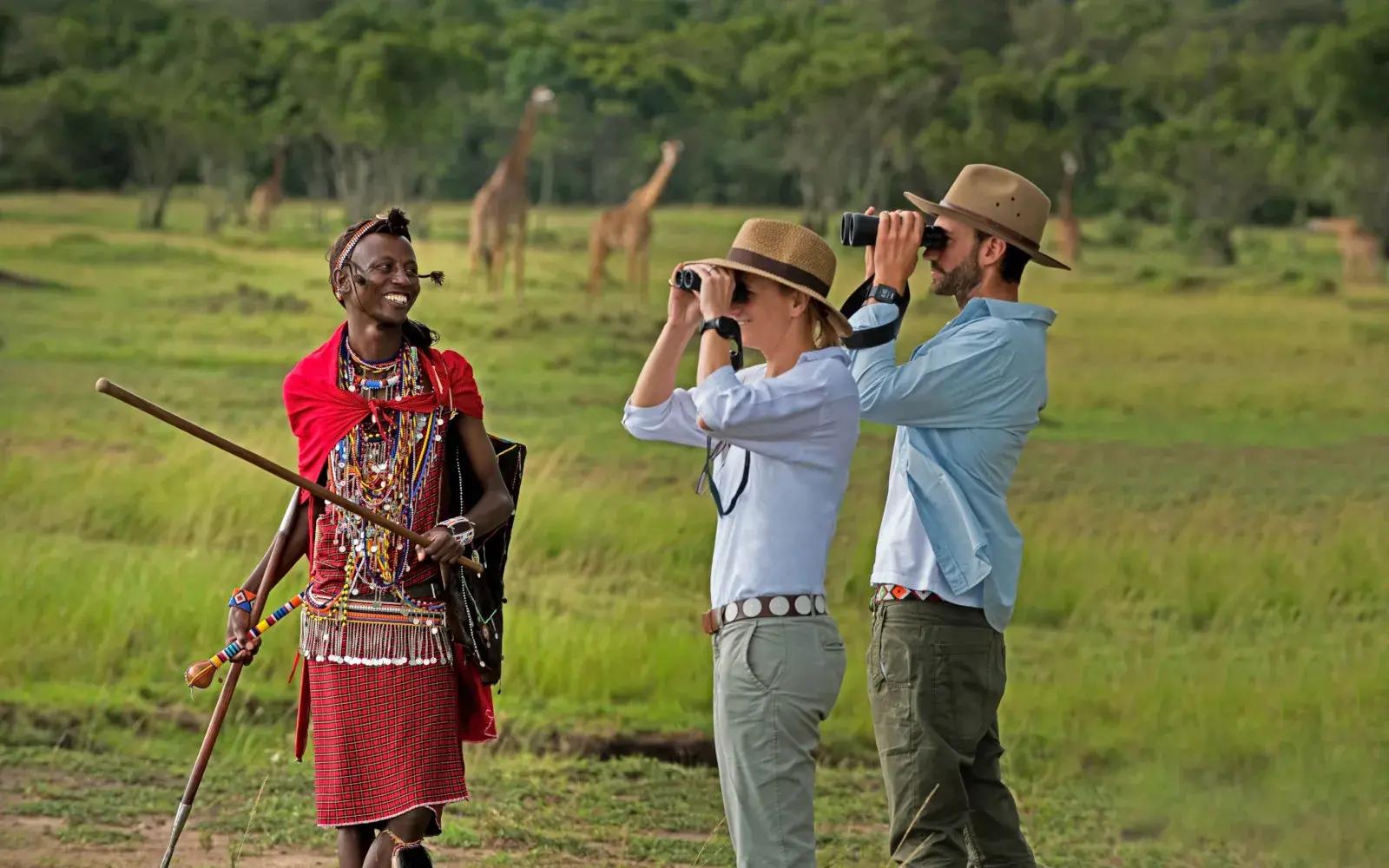
Visits to Maasai communities provide insight into traditional lifestyles that have existed alongside wildlife for generations. Coffee tours near Arusha reveal how some of Tanzania’s finest coffee is grown and processed. Local markets offer opportunities to experience daily life, while interactions with guides and lodge staff often lead to fascinating conversations about Tanzanian culture and history.
Combining wildlife experiences with cultural activities creates a more complete understanding of Tanzania and often becomes one of the most rewarding aspects of the journey.
Packing Smart Matters More Than Packing More

One of the most practical lessons travelers learn before a Tanzania safari is that packing efficiently is far more important than packing heavily.
Safari days can involve cool mornings, warm afternoons, and chilly evenings, particularly in destinations such as Ngorongoro Crater. Dressing in layers allows travelers to stay comfortable throughout the day without carrying unnecessary clothing.
Neutral-colored clothing is generally recommended because it blends naturally into the environment and helps reduce attention from insects. Comfortable footwear, sun protection, sunglasses, insect repellent, binoculars, and a camera are among the most useful items to bring.
Many first-time visitors are surprised to discover that they use only a small portion of what they packed. The focus quickly shifts from clothing and accessories to the incredible experiences unfolding around them.
For travelers taking domestic flights between parks, soft-sided luggage is often easier to transport than hard suitcases, making travel smoother and more convenient.
A Tanzania Safari Will Change How You See Travel

Many destinations provide entertainment. A Tanzania safari often provides perspective.
There is something profoundly different about watching wildlife in its natural habitat, far from cities, schedules, and daily distractions. Spending time in nature encourages people to slow down, observe more carefully, and appreciate experiences that cannot be measured by photographs alone.
Guests frequently tell us that their safari changed the way they think about travel. Instead of rushing from one attraction to another, they begin valuing meaningful experiences, authentic connections, and time spent in extraordinary places.
The memories that last longest are often not the most dramatic ones. They are the quiet moments: listening to distant lion calls after sunset, watching elephants move across the landscape, or enjoying a sunrise over the Serengeti.
That is why so many travelers return to Tanzania. The wildlife may inspire the first visit, but the overall experience often inspires the second.