

- 386 Views
- 10 Min Read
- (0) Comment
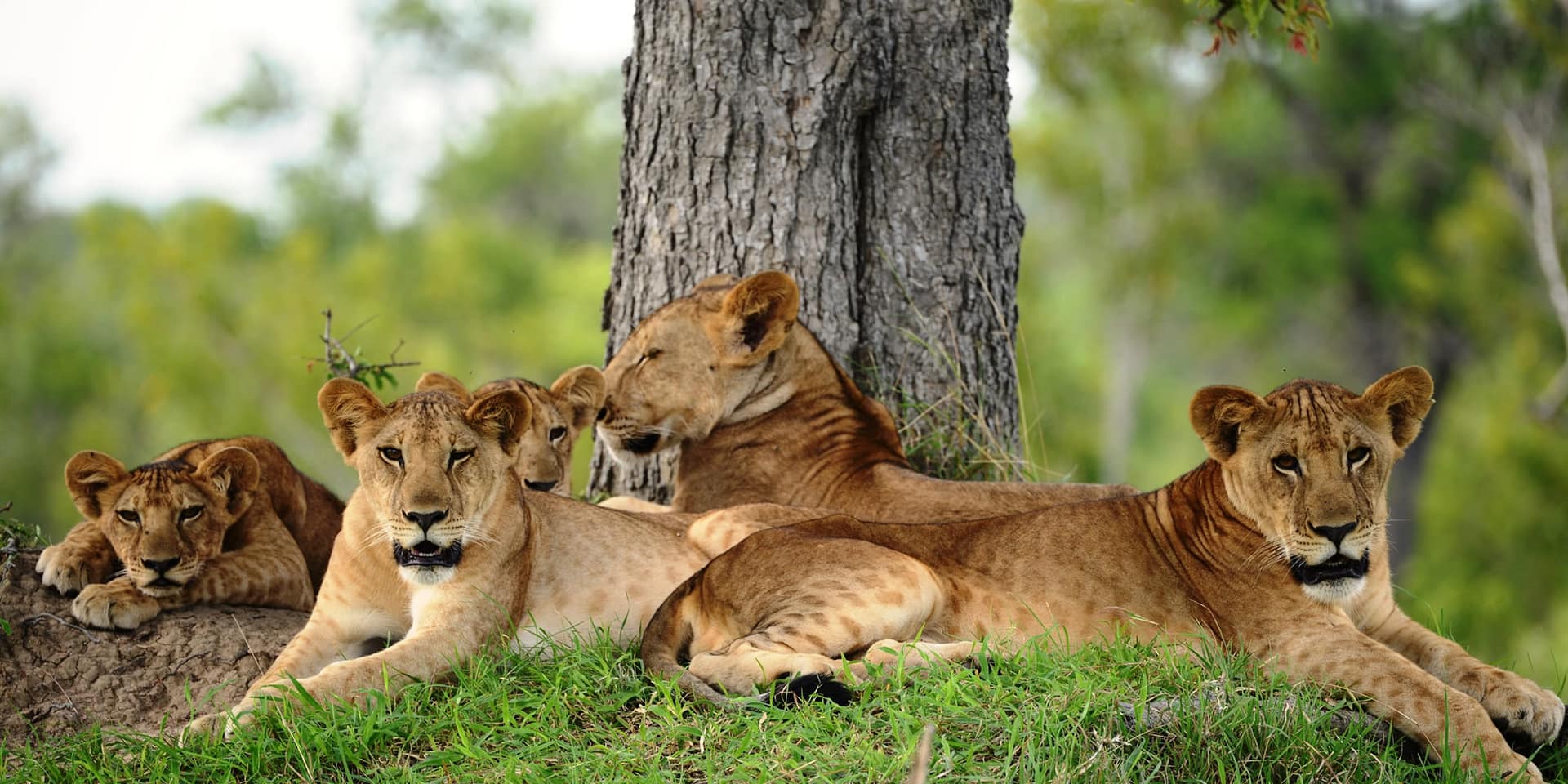
The best time to visit Tanzania depends on your travel goal. For the best wildlife safari experience, visit from June to October. For the Great Migration river crossings, August and September are ideal. For calving season, January and February are exceptional. For climbing Mount Kilimanjaro, January–March and June–October offer the best conditions. For Zanzibar beach holidays, December–March and June–October provide the most sunshine. And for affordable travel deals, March to May offers the lowest prices.
Below is a complete, in-depth guide that answers each travel goal clearly while naturally connecting to your safari packages, Kilimanjaro climbs, and Zanzibar holidays.
Best Time for a Safari in Tanzania
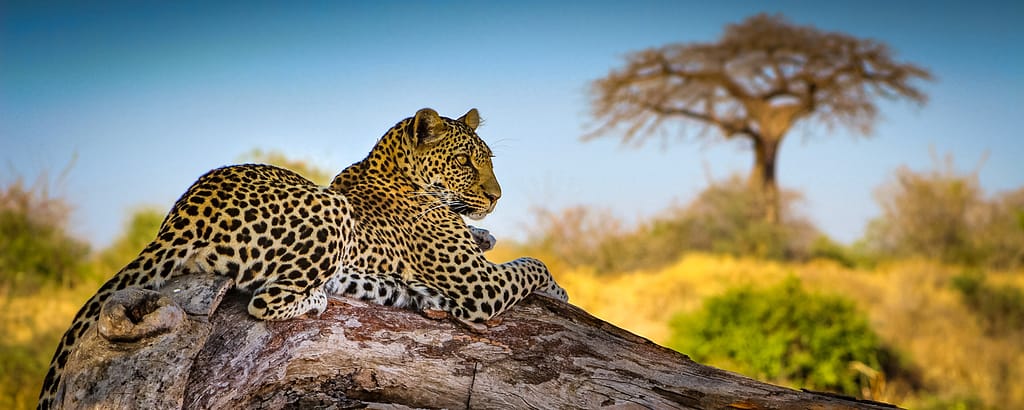
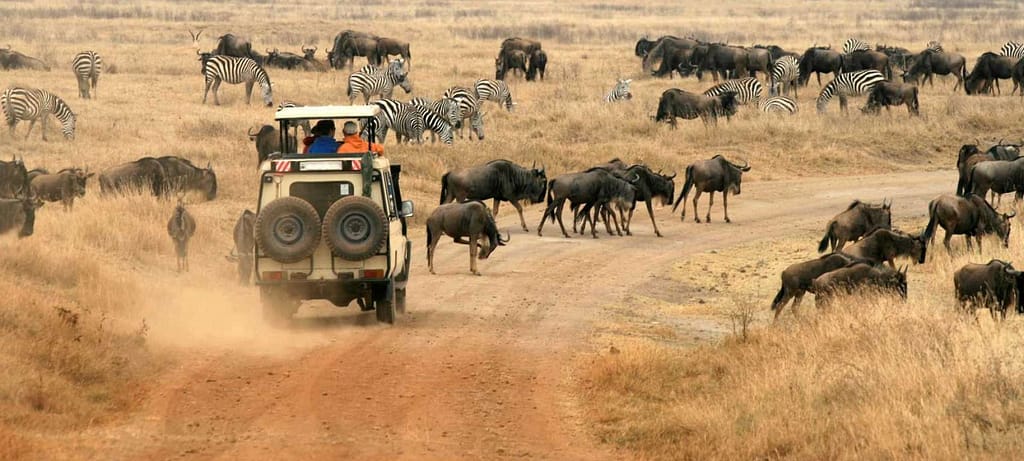
If your priority is seeing large concentrations of animals with minimal effort, June to October is the best time for a Tanzania safari. This dry season consistently delivers the highest wildlife visibility across northern parks like Serengeti National Park, Ngorongoro Crater, and Tarangire National Park. During these months, rain is scarce, grass becomes shorter, and animals gather around rivers and waterholes, making game drives more productive and predictable. Elephants congregate in Tarangire in massive herds, lions rest visibly in open plains, leopards are easier to spot in acacia trees, and buffalo and giraffe roam widely. Because vegetation is thinner, guides can track animals more efficiently, which increases your chances of seeing the Big Five even on shorter itineraries like 4–6 day safaris.
Weather is another major advantage. Days are warm but not excessively hot, evenings are cool, and humidity is low. This means comfortable full-day game drives without heavy rain interruptions. Photographers benefit from clear skies and golden light, while families appreciate stable road conditions and fewer insects. However, this is also high season, especially in July, August, and September, meaning accommodation rates are higher and popular lodges book early. For travelers planning private safaris or custom itineraries, booking several months in advance ensures the best lodge selection inside or near the parks.
Best Time to See the Great Migration
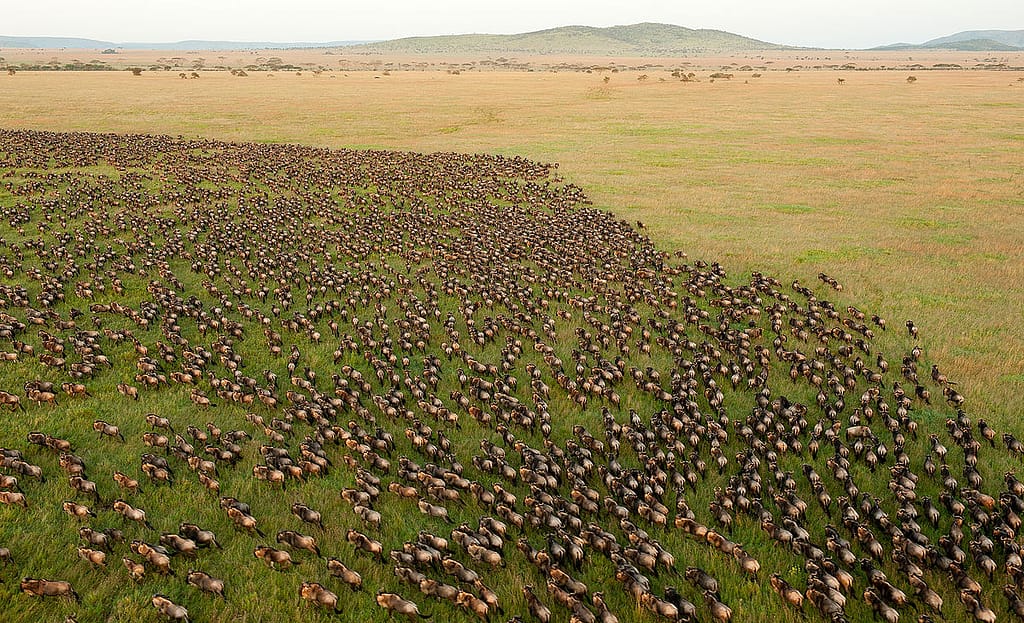
The best time to see the Great Migration depends on which stage of the movement you want to witness. For dramatic river crossings, visit in August or September. For calving season and predator action, visit in January or February. The migration takes place year-round within Serengeti National Park, but different months offer completely different experiences.
From January to March, the herds gather in the southern Serengeti plains near Ndutu. During this period, hundreds of thousands of wildebeest give birth within a short window. The landscape becomes a nursery of newborn calves, and predators follow closely. Lions, cheetahs, and hyenas are highly active, making this one of the most intense wildlife periods of the year. For travelers interested in photography and raw nature moments, this is extraordinary.
By June and July, the herds move toward the Western Corridor, where they cross the Grumeti River. However, the most famous spectacle happens between August and October when they reach the Mara River in the northern Serengeti. Here, massive herds gather at steep riverbanks before suddenly plunging into crocodile-infested waters. These crossings are unpredictable — sometimes dramatic, sometimes calm — but always powerful. Timing can shift slightly depending on rainfall patterns, so flexibility increases your chances.
Best Time for Climbing Mount Kilimanjaro
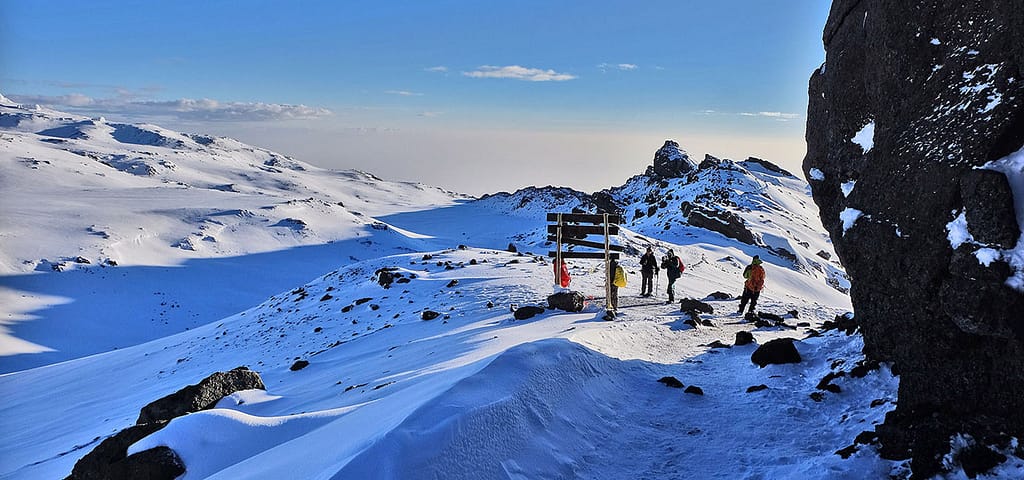
The best time to climb Mount Kilimanjaro is during January to March and June to October, when rainfall is minimal and summit visibility is highest. Although Kilimanjaro is accessible year-round, dry conditions significantly improve safety and comfort. From January to March, the mountain is quieter, temperatures are cooler, and snow at the summit can create breathtaking scenery. This is ideal for climbers seeking fewer crowds.
From June to October, weather stability is at its peak. Trails are dry, skies are clearer, and summit nights offer dramatic sunrise views above the clouds. However, July and August are the busiest months, especially on popular routes such as Machame and Lemosho. For travelers who value clear conditions over solitude, this is the strongest season.
April, May, and November bring heavier rainfall. While some experienced trekkers attempt climbs during these months for lower costs, muddy trails and cloud cover can reduce the overall experience. Proper acclimatization remains essential in any season, but dry months statistically improve summit success rates.
Best Time for Zanzibar beach holidays
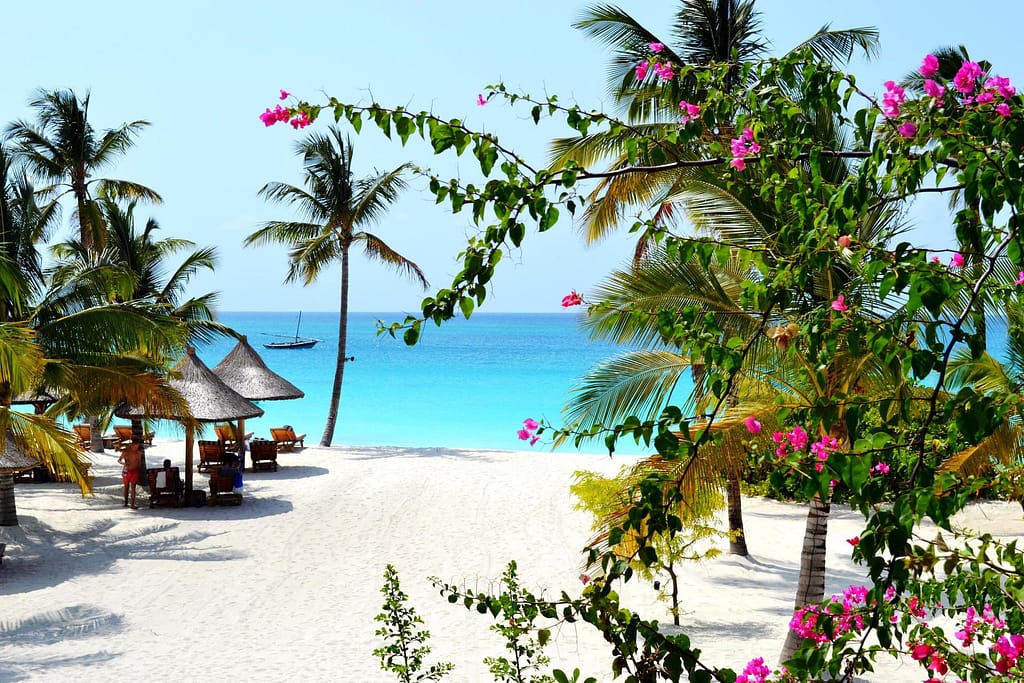
The best time to visit Zanzibar for beach holidays is December–March for warmer beach weather, June–October for cooler dry conditions. During December–March, temperatures are warmer and the Indian Ocean is calm and crystal clear — perfect for swimming, snorkeling, and diving. Beaches like Nungwi Beach offer postcard-style turquoise water and glowing sunsets.
From June to October, weather becomes slightly cooler with lower humidity, making it excellent for combining beach relaxation with cultural exploration in Stone Town. April and May bring heavier rains, and some beachfront lodges close temporarily. November usually has short afternoon showers but remains suitable for travel.
For travelers combining safari with a beach extension, June–October provides the smoothest overall experience across mainland parks and Zanzibar.
Cheapest Time to Visit Tanzania
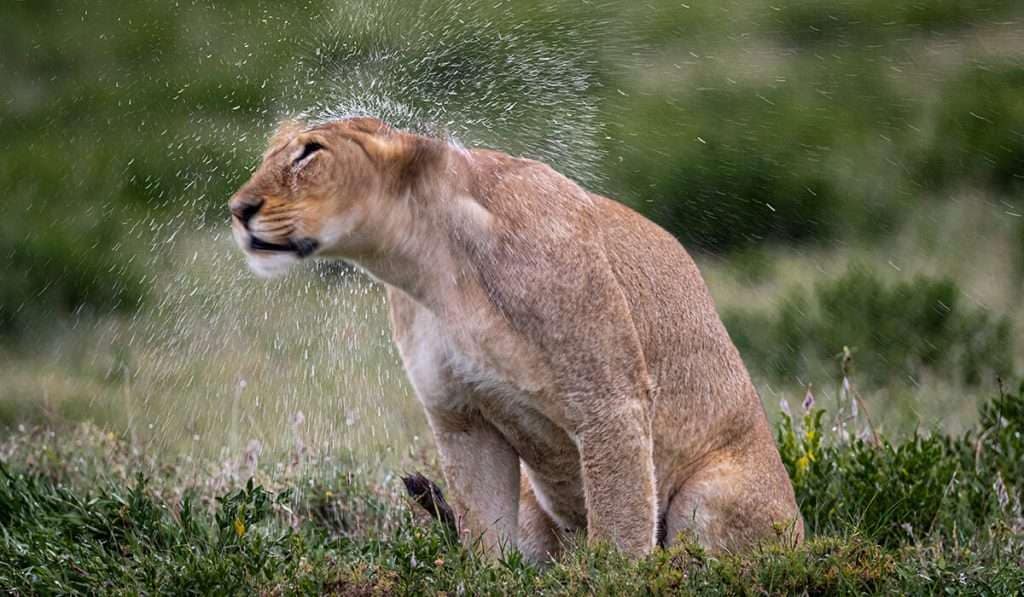
If budget is the main concern, March to May is the most affordable time to visit Tanzania. This is the long rainy season, often called the green season. While rainfall increases, landscapes become lush and vibrant, accommodation rates drop, and parks are far less crowded. Wildlife remains present year-round, but tall grass can make sightings slightly less predictable compared to dry months.
For travelers offering affordable Tanzania tours, this is an important opportunity to explain value without compromising quality. Private safaris during green season can feel more exclusive because there are fewer vehicles at sightings. Photographers also appreciate dramatic skies and rich colors.
Ultimately, your choice will depend on what you want to do and the type of experience you’re looking for. Each season offers something special, but the dry season (June to October) is widely considered the most reliable for both safari and adventure travel.
Month-by-Month Guide
Below is a month-by-month guide detailing what to expect and which packages are ideal for each period.
January – Calving Season & Climbing Opportunities
January is one of the best months for visiting Tanzania. This month marks the peak of calving season in the southern Serengeti plains, particularly around Ndutu, making it ideal for a Great Migration safari or a specialized Ndutu calving season safari. Thousands of wildebeest calves are born daily, and predator activity is at its peak, offering unforgettable wildlife viewing and photography opportunities. The weather remains mostly dry, making it excellent for Tanzania safari tours in Serengeti, Ngorongoro, and Tarangire. January is also favorable for Kilimanjaro packages, as climbers enjoy cooler conditions and clear summit visibility on routes like Machame and Lemosho. Meanwhile, Zanzibar is hot and sunny, making it a perfect month for Zanzibar holiday packages.
February – Predator Action & Warm Beaches
February continues the calving season in southern Serengeti and Ndutu, providing incredible opportunities for predator sightings during a Serengeti migration safari or Ndutu calving season safari. Wildlife remains dense, and game viewing is excellent for Tanzania safari packages across the Northern Circuit. Conditions are also favorable for Mount Kilimanjaro climbing tours, while Zanzibar beaches, particularly Nungwi Beach, offer calm waters and warm temperatures, making February ideal for beach holidays. This month is perfect for travelers wanting to combine safari, climbing, and beach extensions in a single trip.
March – Start of the Green Season
March marks the transition to Tanzania’s long rainy season. Wildlife remains active in Ngorongoro Crater and Tarangire, and early March can still provide good safari viewing. The green season offers lush landscapes and fewer crowds, making it ideal for travelers looking for affordable Tanzania tours. Migration herds begin moving north, and lodges start offering reduced rates. While roads may be slightly wetter, this month is excellent for those seeking privacy and value without sacrificing wildlife experiences.
April – Peak Rainy Season & Budget Travel
April is the wettest month in Tanzania. Heavy rains may disrupt some game drives, and some camps temporarily close. Despite this, April is perfect for budget Tanzania safari or cheap Tanzania safari packages because accommodation rates are at their lowest, and parks are less crowded. Photographers benefit from vibrant green scenery, dramatic skies, and quiet safari experiences. Travel during this month is recommended for value-conscious travelers who don’t mind occasional rain.
May – Lush Green Scenery & Fewer Tourists
May continues the long rainy season, but rain decreases toward the end of the month. It remains an excellent time for affordable Tanzania tours and private safari experiences. The migration moves toward the western Serengeti, and game drives feel more exclusive due to fewer vehicles. While tall grass can make wildlife spotting slightly harder, May offers peaceful landscapes and lower prices compared to the peak dry season.
June – Beginning of Dry Season
June marks the start of Tanzania’s dry season, making it one of the best months for Tanzania safari packages and private Tanzania safari trips. Wildlife becomes concentrated near water sources, increasing game viewing opportunities in Serengeti, Ngorongoro, and Tarangire. The migration begins moving north to the Western Corridor, and early river crossings may occur. Climbers also enjoy excellent weather for Kilimanjaro packages, and Zanzibar beaches are sunny and pleasant, perfect for Zanzibar holiday packages.
July – Peak Safari Season
July is a peak month for wildlife viewing. Dry conditions create excellent opportunities for Northern Circuit safari itineraries, while wildlife remains highly visible in Serengeti, Ngorongoro, and Tarangire. This month is also ideal for Mount Kilimanjaro climbing tours, offering clear trails and good summit success rates. Zanzibar is sunny and comfortable, making it perfect for combining safari adventures with Zanzibar beach holidays.
August – Great Migration River Crossings
August is one of the best months for a river crossing safari. The migration reaches the northern Serengeti, and dramatic Mara River crossings occur, making it a prime period for Serengeti migration safari experiences. Wildlife is abundant across the Northern Circuit, Kilimanjaro climbs are still excellent, and Zanzibar offers dry, sunny weather for beach holiday packages.
September – Peak Wildlife Viewing
September continues the dry season with excellent safari conditions. The Mara River crossings may still be visible, and overall wildlife density remains high, ideal for Tanzania safari tours. Kilimanjaro climbs benefit from stable weather, and Zanzibar remains sunny and pleasant. This month is excellent for travelers seeking consistent wildlife sightings and combining safari with beach or climbing trips.
October – Late Dry Season
October remains a strong month for safaris. Animals gather around the remaining water sources, ensuring good game viewing for Tanzania safari packages and private Tanzania safari trips. Kilimanjaro trails are dry and safe, and Zanzibar beaches are still inviting. It’s the last month of reliable dry weather before the short rains begin, making it ideal for late-season travelers.
November – Short Rains & Lower Crowds
November brings short rains, often in brief afternoon showers. Wildlife remains present, and visitor numbers drop, making this a quieter time for Tanzania safari tours and affordable Tanzania tours. Lodges often offer discounts, and some travelers prefer this transitional month to avoid crowds while still enjoying safari and Zanzibar beach experiences.
December – Safari & Festive Beach Season
December offers a mix of dry conditions and festive energy. Early December may see short rains, but later in the month, conditions are dry and sunny. It’s a strong month for Zanzibar holiday packages, particularly for travelers seeking a holiday-season beach escape combined with a Tanzania safari package. Migration herds begin moving south again toward calving areas, and Kilimanjaro climbs are still viable with clear weather. December is ideal for combining safari, climbing, and beach experiences.
No matter which month you choose to visit, Tanzania offers unforgettable experiences for every traveler. Whether your dream is to witness the Great Migration, enjoy a private safari, climb Mount Kilimanjaro, or relax on the pristine beaches of Zanzibar, the country delivers adventure, wildlife, and culture year-round. By planning your trip around your priorities — from dry-season safaris in June–October to affordable green-season tours in March–May — you can create a journey tailored to your interests and timing. Start planning your once-in-a-lifetime adventure today and discover why Tanzania remains one of the world’s most captivating destinations.