...
thumbnail thumbnail thumbnail thumbnail thumbnail thumbnail thumbnail thumbnail thumbnail thumbnail thumbnail thumbnail thumbnail thumbnail thumbnail

$9,800/

Per Person
  • 14 Days / 13 Night
  • Max People : 6
  • Kilimanjaro , Tarangire , Ngorongoro , Serengeti , Lake Eyasi , Lake Natron

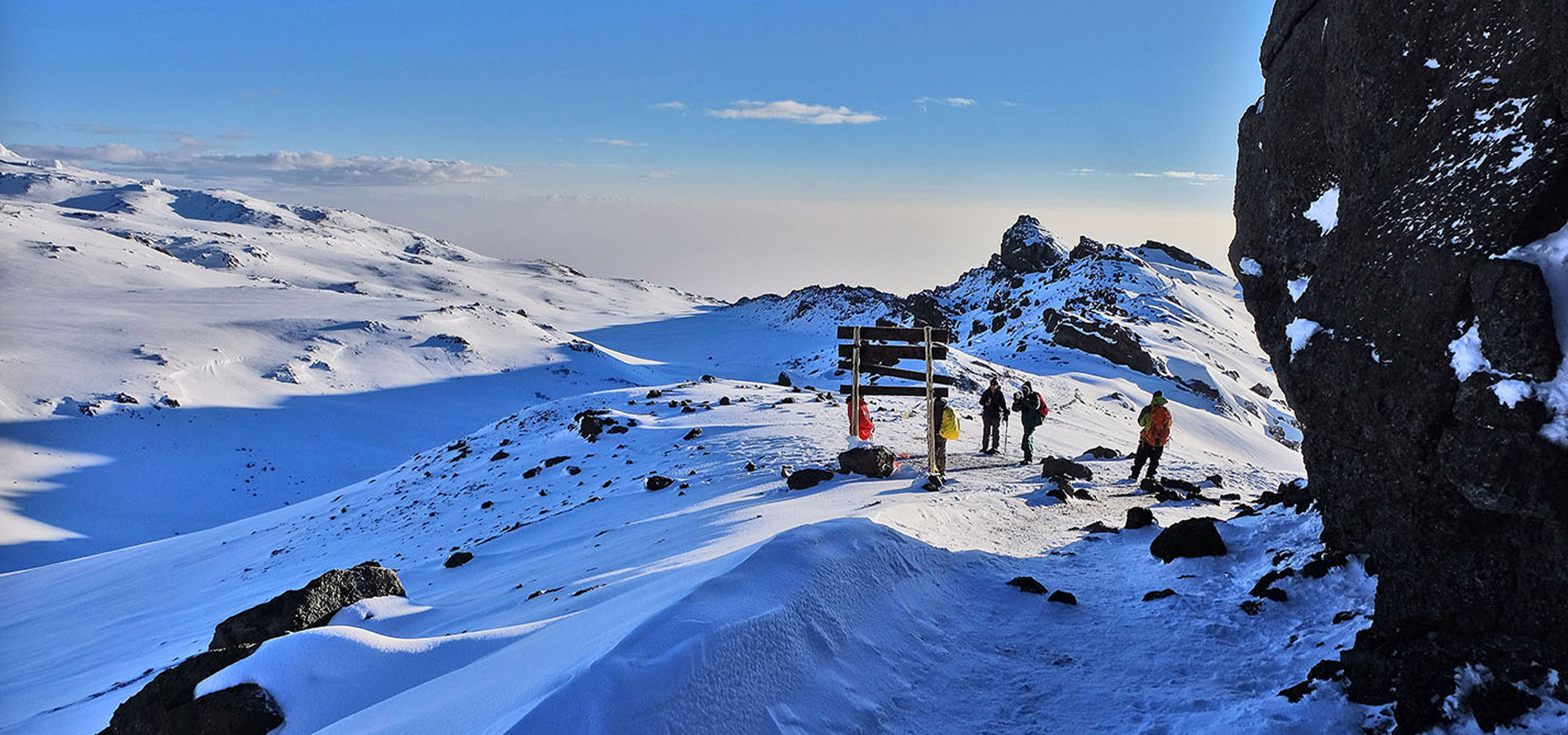
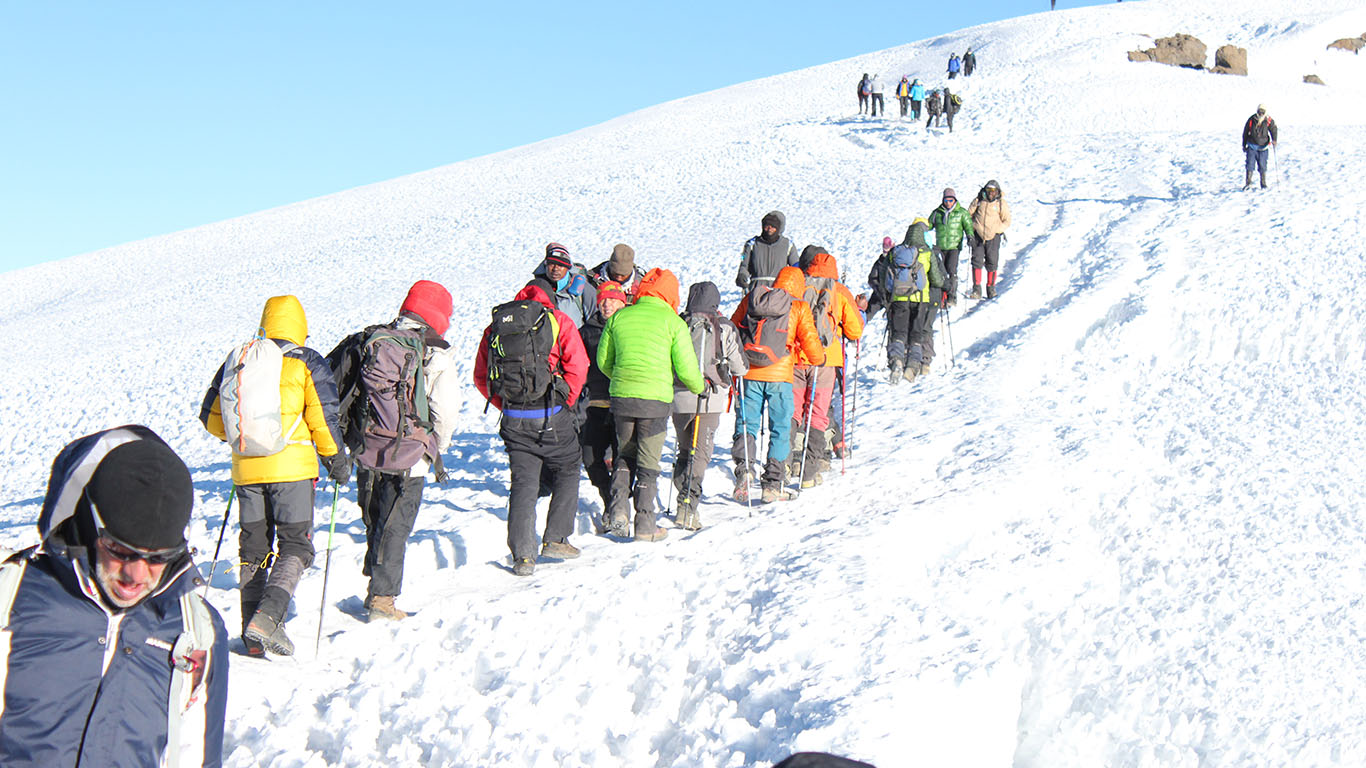
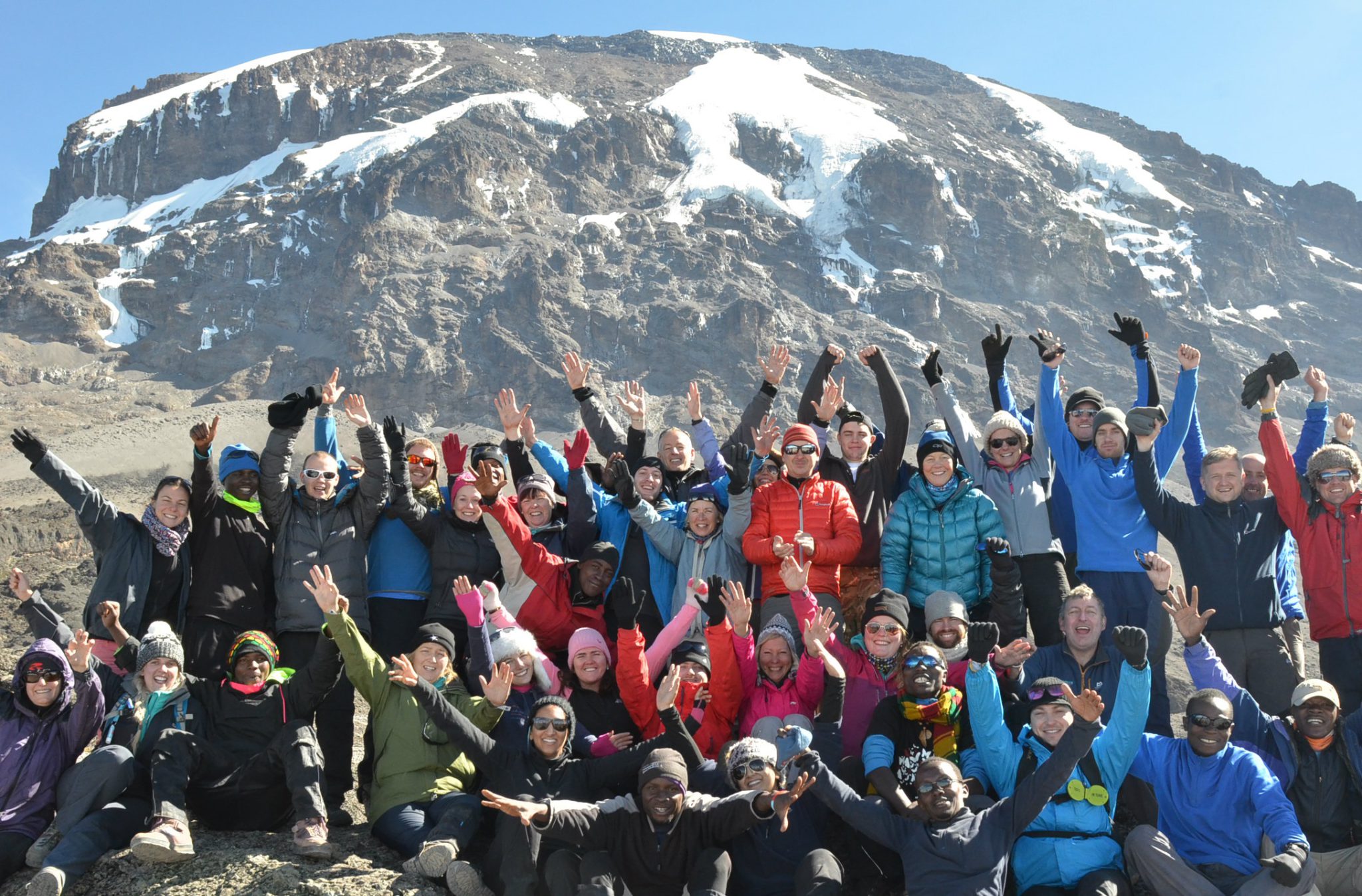
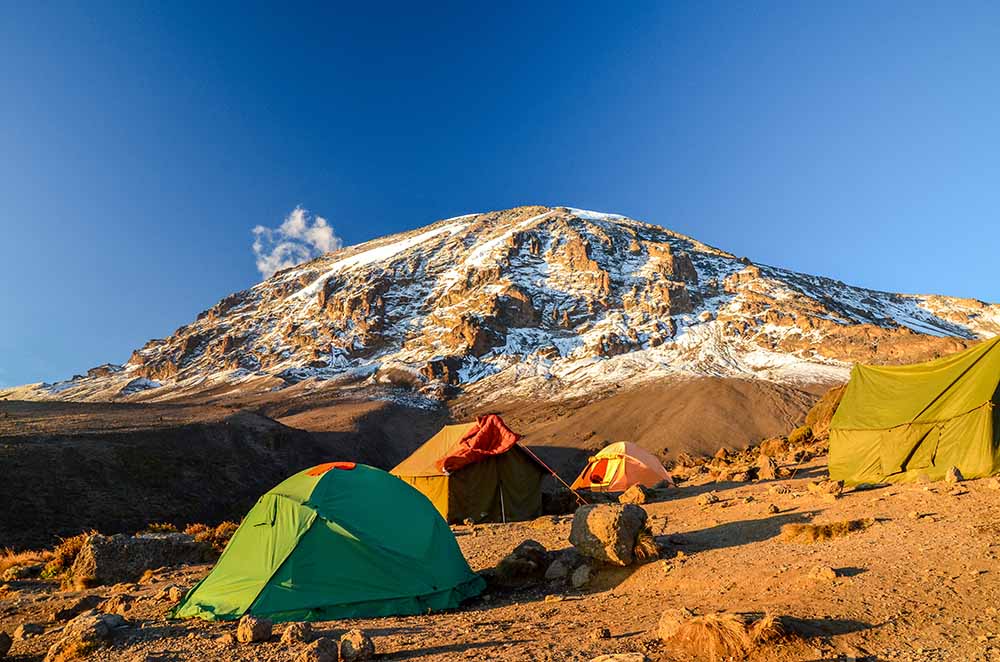
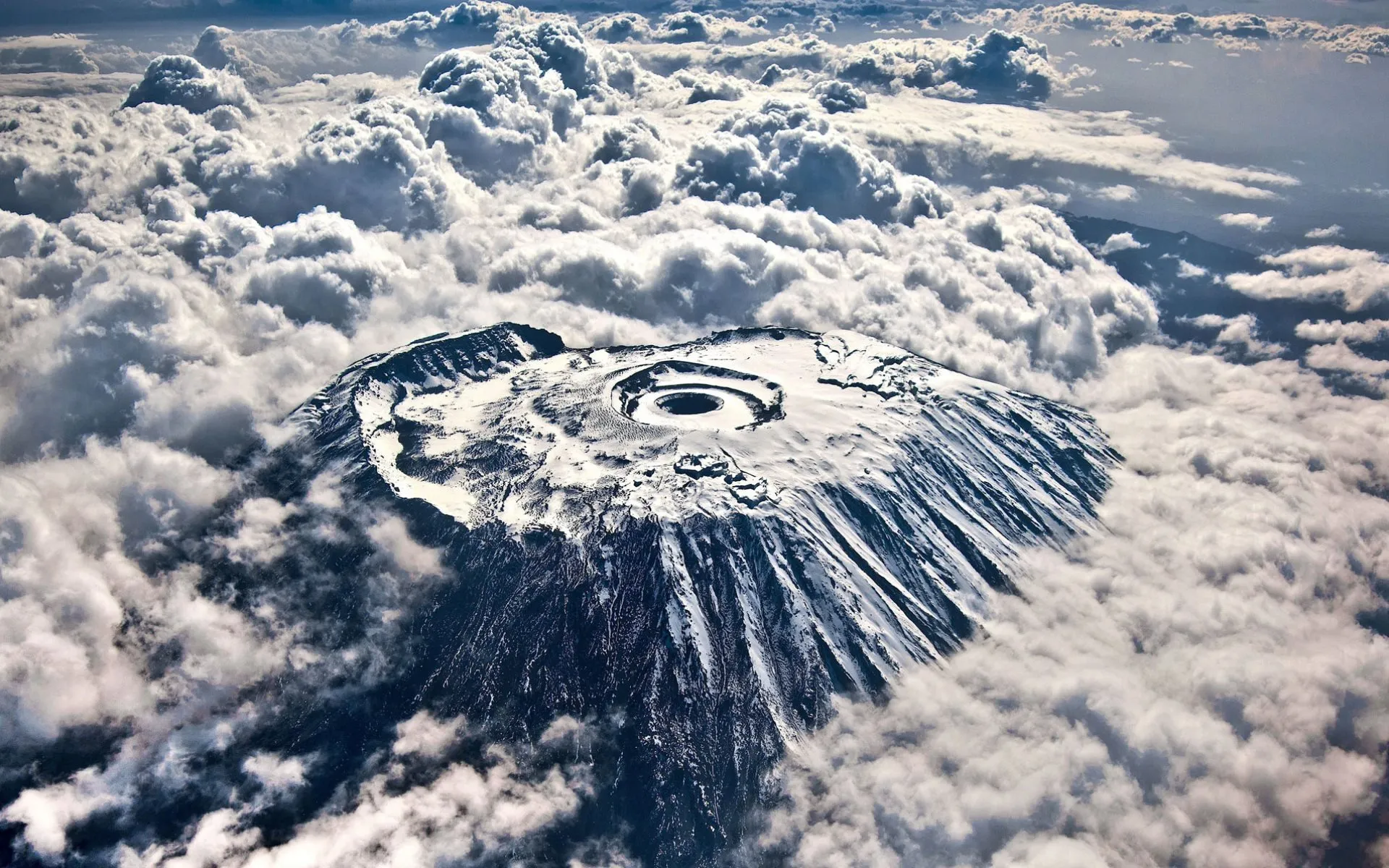
Get ready for an exciting 2 weeks safari and Kilimanjaro trekking package that offers the perfect blend of adventure and wildlife. Begin your journey with a challenge as you climb Mount Kilimanjaro via the Machame Route. Experience diverse landscapes, from lush rainforests to alpine deserts, and finally reach the snow-covered summit. After your successful summit, descend into the heart of Tanzania for an unforgettable safari. Start your safari in Tarangire National Park, famous for its large elephant herds and iconic baobab trees. Then, visit Lake Natron with its striking salt flats and flamingo colonies. Continue to the Serengeti National Park, where you’ll witness the Great Migration and abundant wildlife. Next, explore the Ngorongoro Crater, known as the “Garden of Eden,” where you’ll see the Big Five. Finally, immerse yourself in the culture of the Hadzabe and Datoga tribes at Lake Eyasi, completing your 14-day adventure with a deeper connection to the local people. This journey perfectly combines trekking and wildlife experiences for a truly unforgettable 14 days.

Included and Excluded

  • All park fees for Kilimanjaro National Park
  • Expert mountain guides, porters, and chefs
  • Three meals a day during the trek
  • Sleeping tents, dining tents, and other trekking equipment
  • Transfer from Kilimanjaro International Airport to Arusha
  • Return transport from the mountain to Arusha after the trek
  • Emergency oxygen and first aid kit
  • Climbing certificates (upon reaching the summit)
  • All park entrance fees for Serengeti, Tarangire, Ngorongoro, Lake Natron, and Lake Eyasi
  • Safari guide and driver
  • Transportation in a 4x4 safari vehicle with a pop-up roof for game viewing
  • Accommodation in lodges or campsites as specified in the itinerary
  • Game drives in the Serengeti, Ngorongoro Crater, Lake Natron, and Tarangire
  • Cultural visit to Datoga and Hadzabe tribes at Lake Eyasi
  • All meals (breakfast, lunch, and dinner) during the safari
  • Bottled water and soft drinks during safari game drives
  • International Flights: Flights to and from Tanzania are not included.
  • Visa Fees: Visa charges for entering Tanzania are not included.
  • Travel Insurance: Personal travel insurance (for trekking and safari) is not included. It is recommended to obtain comprehensive travel insurance that covers medical emergencies and trip cancellations.
  • Personal Items: Items like toiletries, souvenirs, and personal items are not included.
  • Meals in Arusha: Meals outside the itinerary (such as in Arusha city) are not included.
  • Drinks: Alcoholic drinks, premium beverages, and any drinks not specified during the safari are excluded.
  • Tips: Tips for your guide, driver, and porters are not included.
  • Extra Activities: Optional activities (such as balloon rides, additional excursions, etc.) are not included.
  • Laundry Services: Any laundry services during your stay are not covered.

Highlights of the Tour

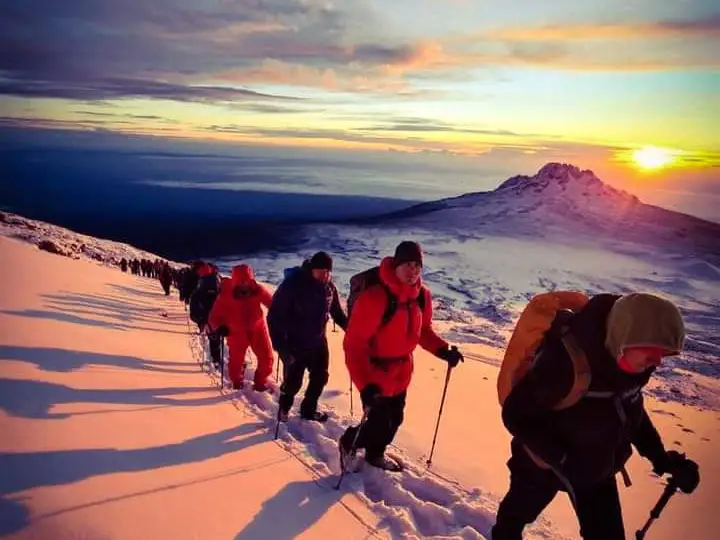
  • Climb Mount Kilimanjaro via the Machame Route to the summit at Uhuru Peak
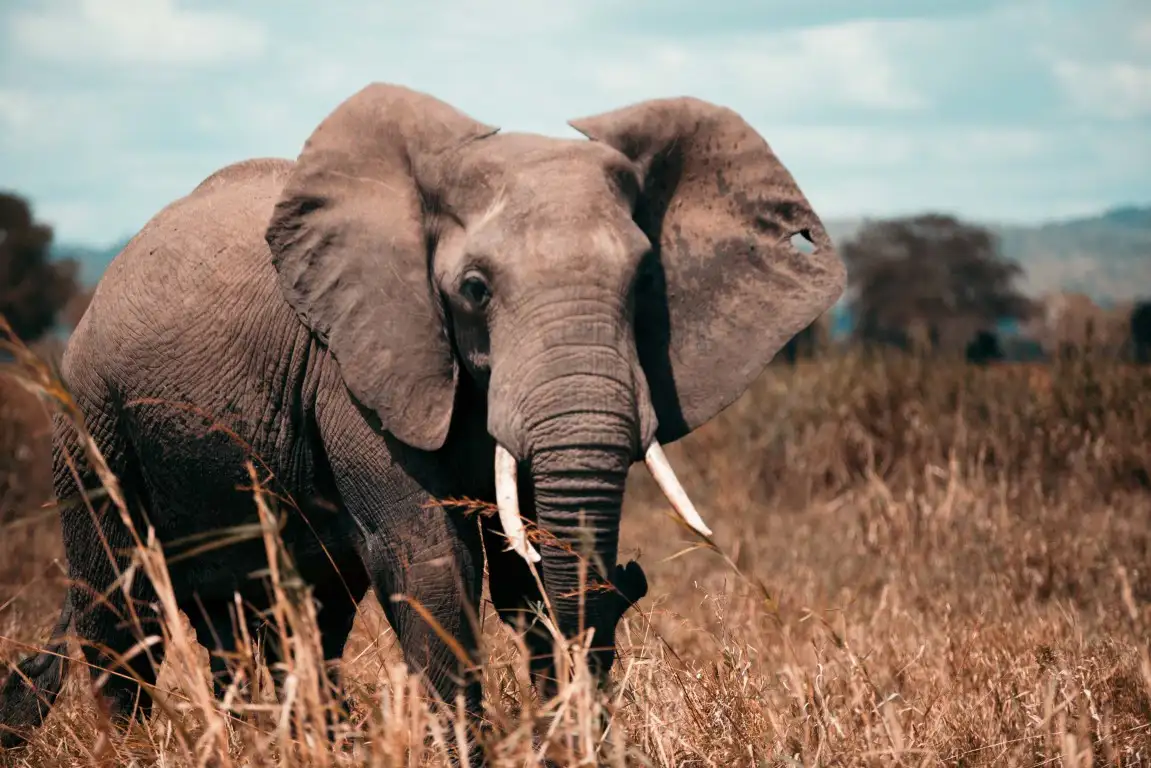
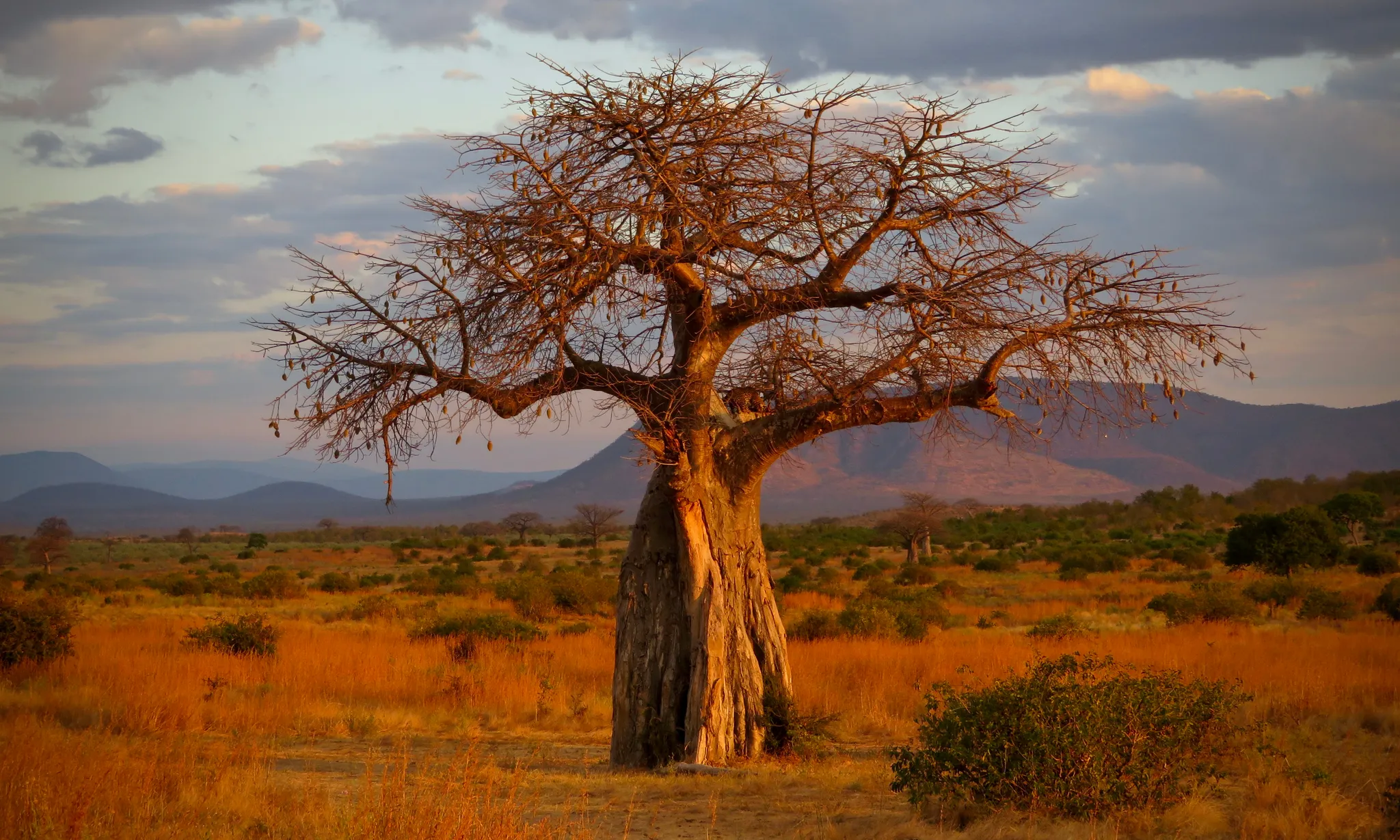
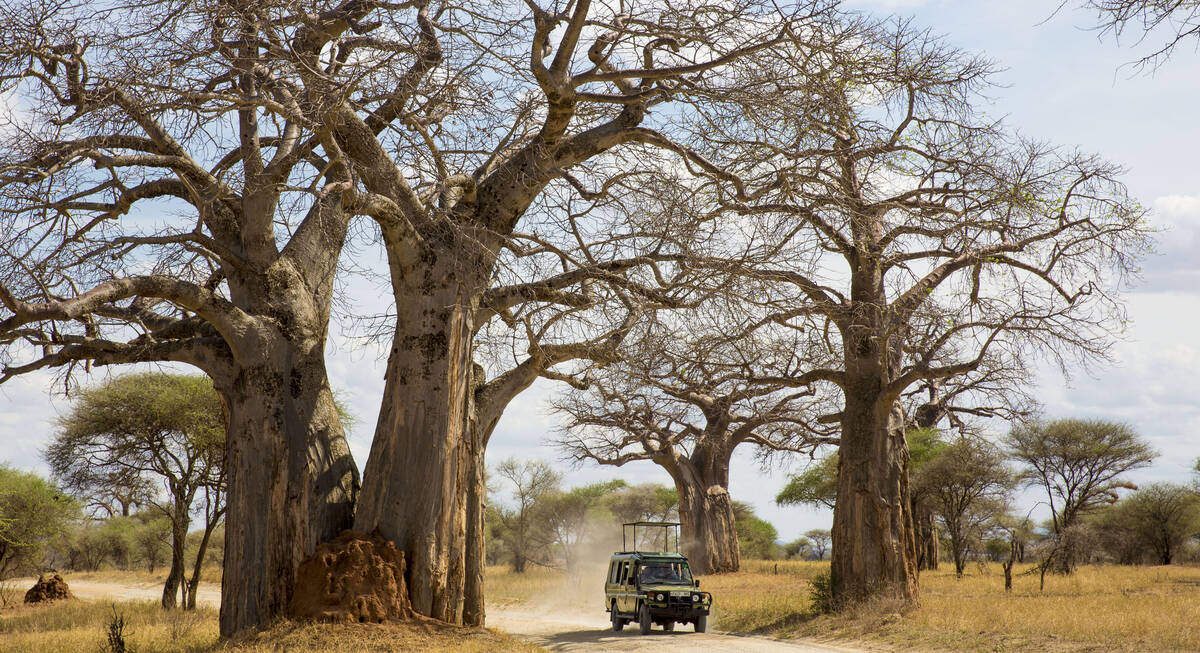
  • Explore Tarangire National Park, known for its elephant herds and baobab trees
  • Visit Lake Natron’s salt flats and flamingo colonies
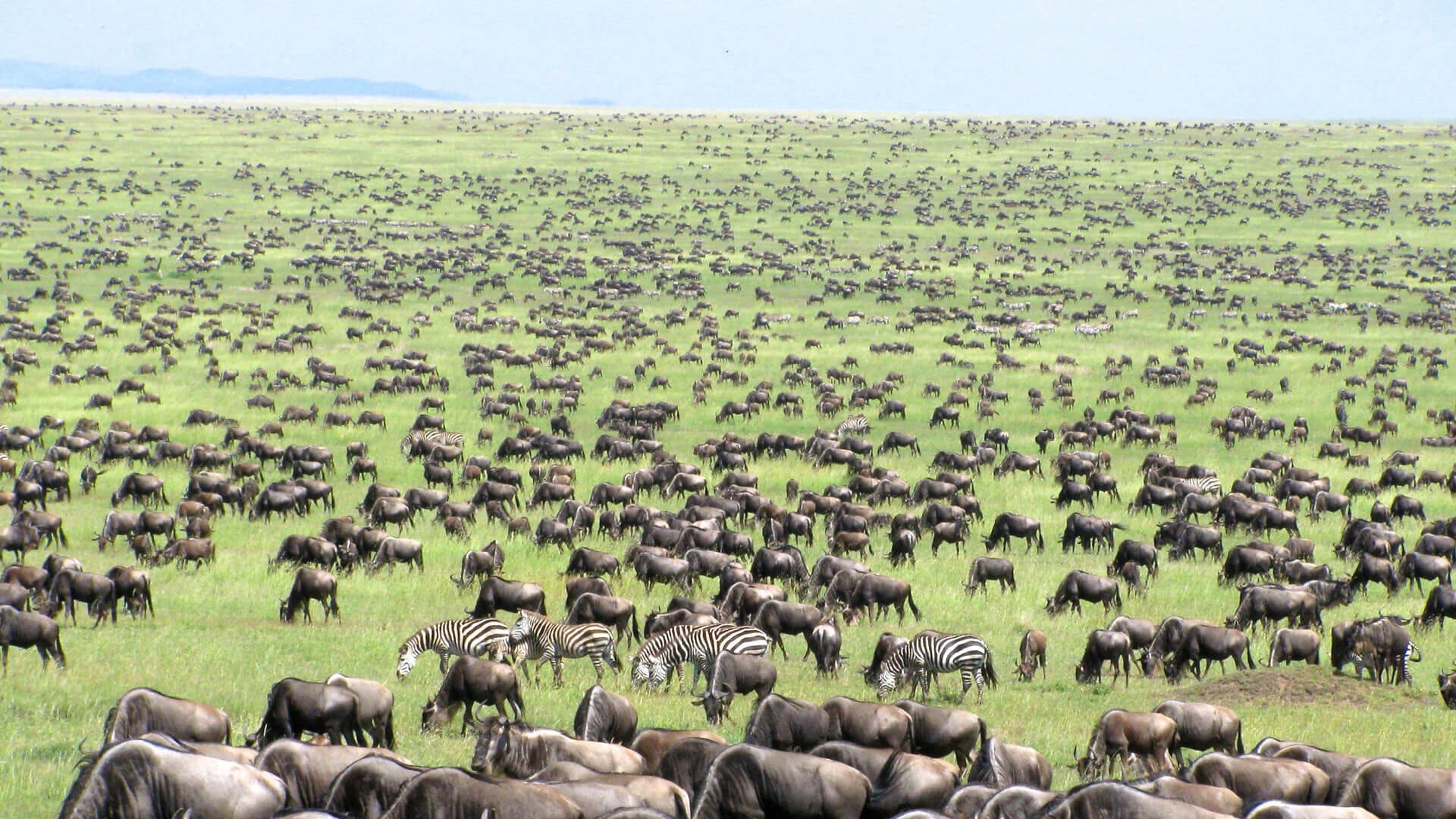
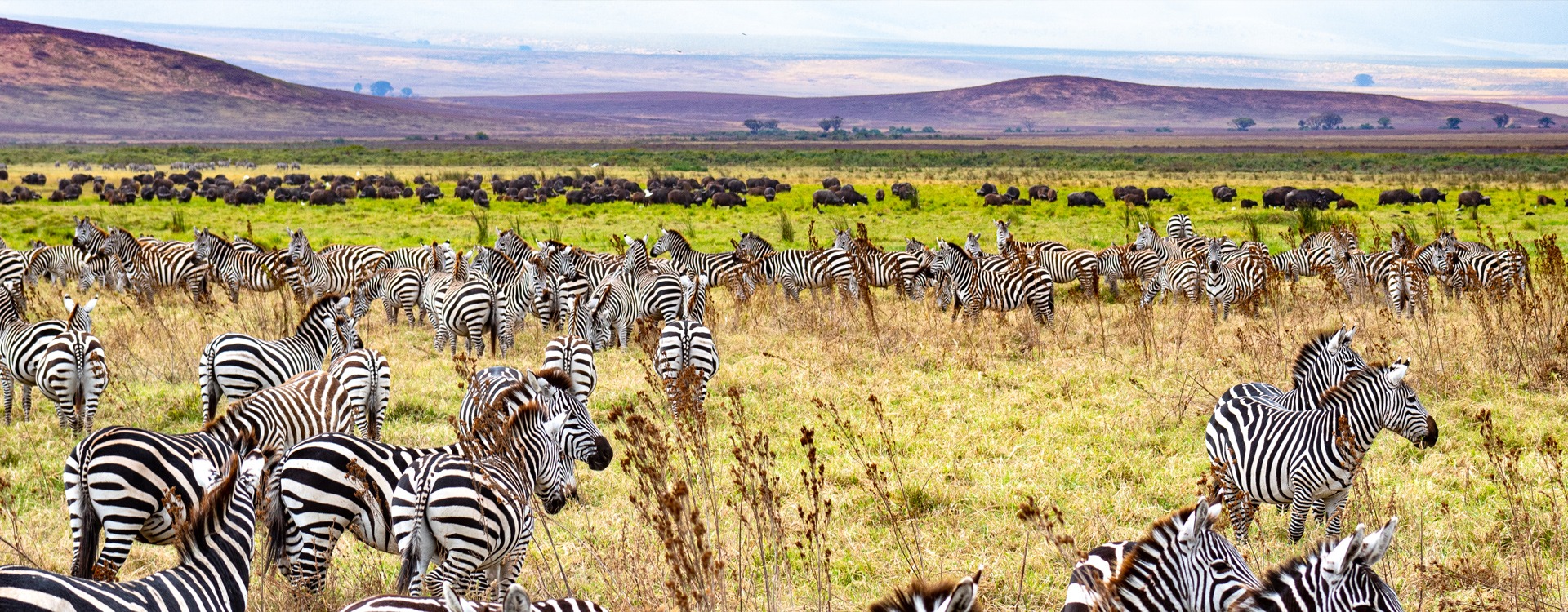
  • Enjoy game drives in Serengeti National Park, home to the Great Migration
  • Descend into Ngorongoro Crater, teeming with wildlife and breathtaking views
  • Experience the cultural richness of the Hadzabe and Datoga tribes at Lake Eyasi
  • Witness diverse landscapes, from rainforests to alpine deserts
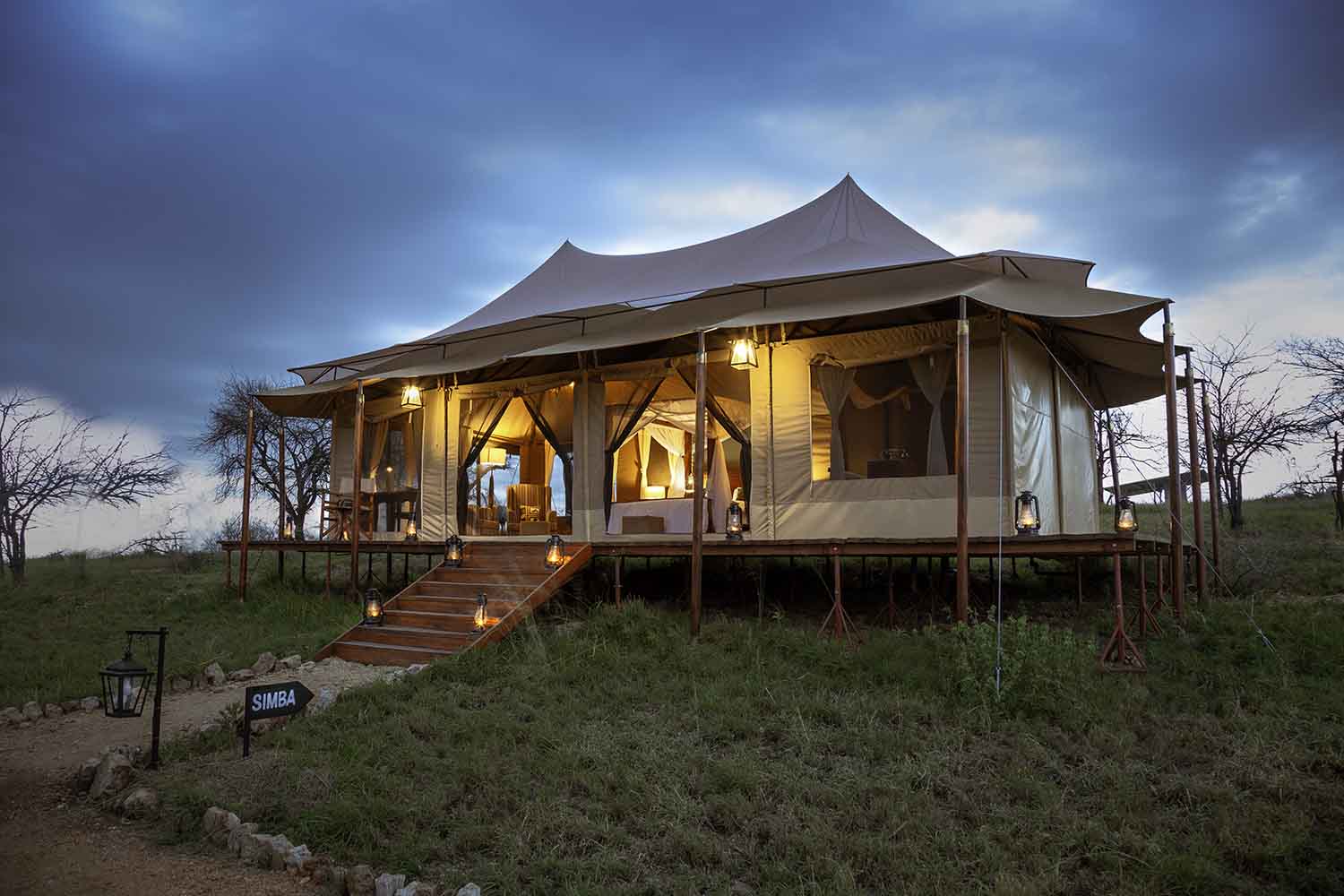
  • Stay in comfortable accommodations, including luxury lodges and tented camps
  • Enjoy thrilling wildlife encounters with the Big Five and more
  • Expert local guides ensuring a safe and informative journey
  • Balance of high-altitude trekking and exciting safari adventures

Itinerary

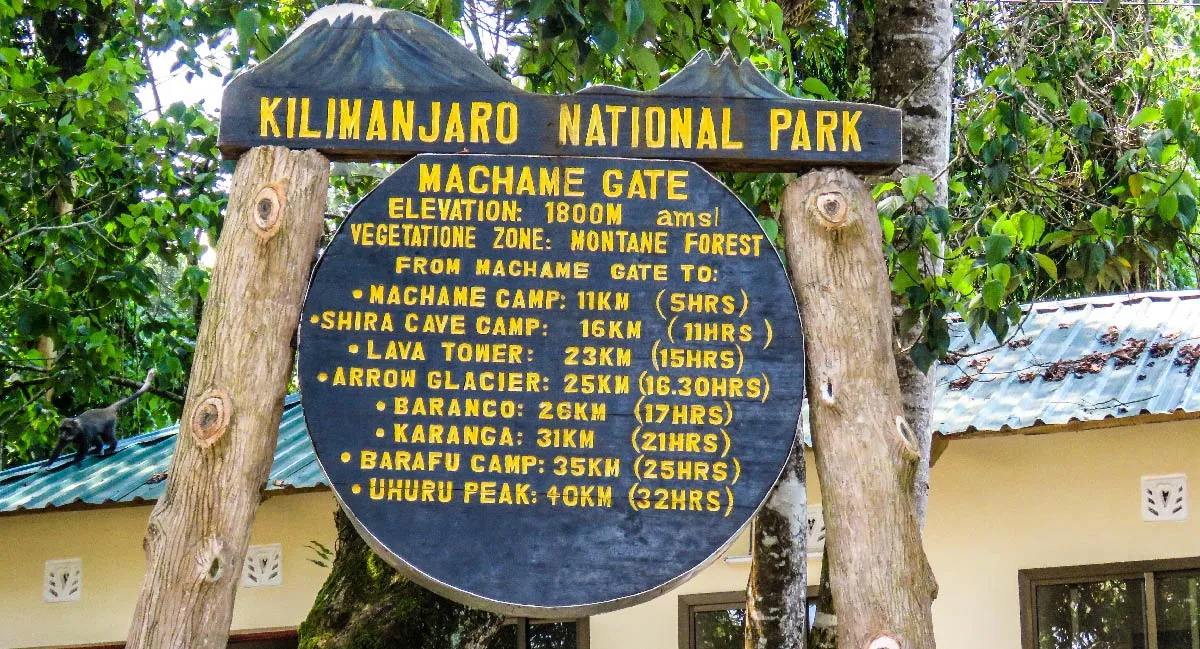
Your adventure begins as you reach Machame Gate, where you’ll start your climb with a trek through lush rainforests, encountering diverse flora and fauna along the way. The trail gradually ascends, offering stunning views of the surrounding hills and valleys, and setting the stage for the days ahead.

  • Overnight: Machame Camp
  • Trekking Distance: 11 km
  • Altitude: 1,800m to 3,000m

Trek through the rainforest and head towards Shira Camp, a stunning campsite on the Shira Plateau. The expansive views and cool air make this a memorable stop as you prepare for higher altitudes.

  • Overnight: Shira Camp
  • Trekking Distance: 5 km
  • Altitude: 3,000m to 3,800m

You’ll gain altitude on your way to Lava Tower, where you'll stop for acclimatization, then descend to Barranco Camp, which offers fantastic views of the mountain.

  • Overnight: Barranco Camp
  • Trekking Distance: 10 km
  • Altitude: 3,800m to 4,630m (Lava Tower), then down to 3,950m (Barranco Camp)

After tackling the Barranco Wall, continue through alpine desert landscapes to reach Karanga Camp. The views of the surrounding valleys are spectacular as you climb toward higher altitudes.

  • Overnight: Karanga Camp
  • Trekking Distance: 5 km
  • Altitude: 3,950m to 4,200m

Today, you’ll trek to Barafu Camp, the last stop before your summit attempt. Enjoy the views of the surrounding peaks and prepare for the grueling climb to the summit tomorrow.

  • Overnight: Barafu Camp
  • Trekking Distance: 4 km
  • Altitude: 4,200m to 4,600m

After summiting Uhuru Peak, descend to Mweka Camp for rest. The summit experience will be unforgettable as you take in panoramic views from the highest point in Africa.

  • Overnight: Mweka Camp
  • Trekking Distance: 18 km
  • Altitude: 4,600m to 5,895m (Uhuru Peak), then descend to 3,100m (Mweka Camp)

Finish your descent to Mweka Gate and head back to Arusha for a celebratory evening. Reflect on your Kilimanjaro climb as you enjoy the comforts of your Arusha accommodation.

  • Overnight: Arusha Hotel or Lodge
  • Trekking Distance: 10 km
  • Altitude: 3,100m to 1,640m

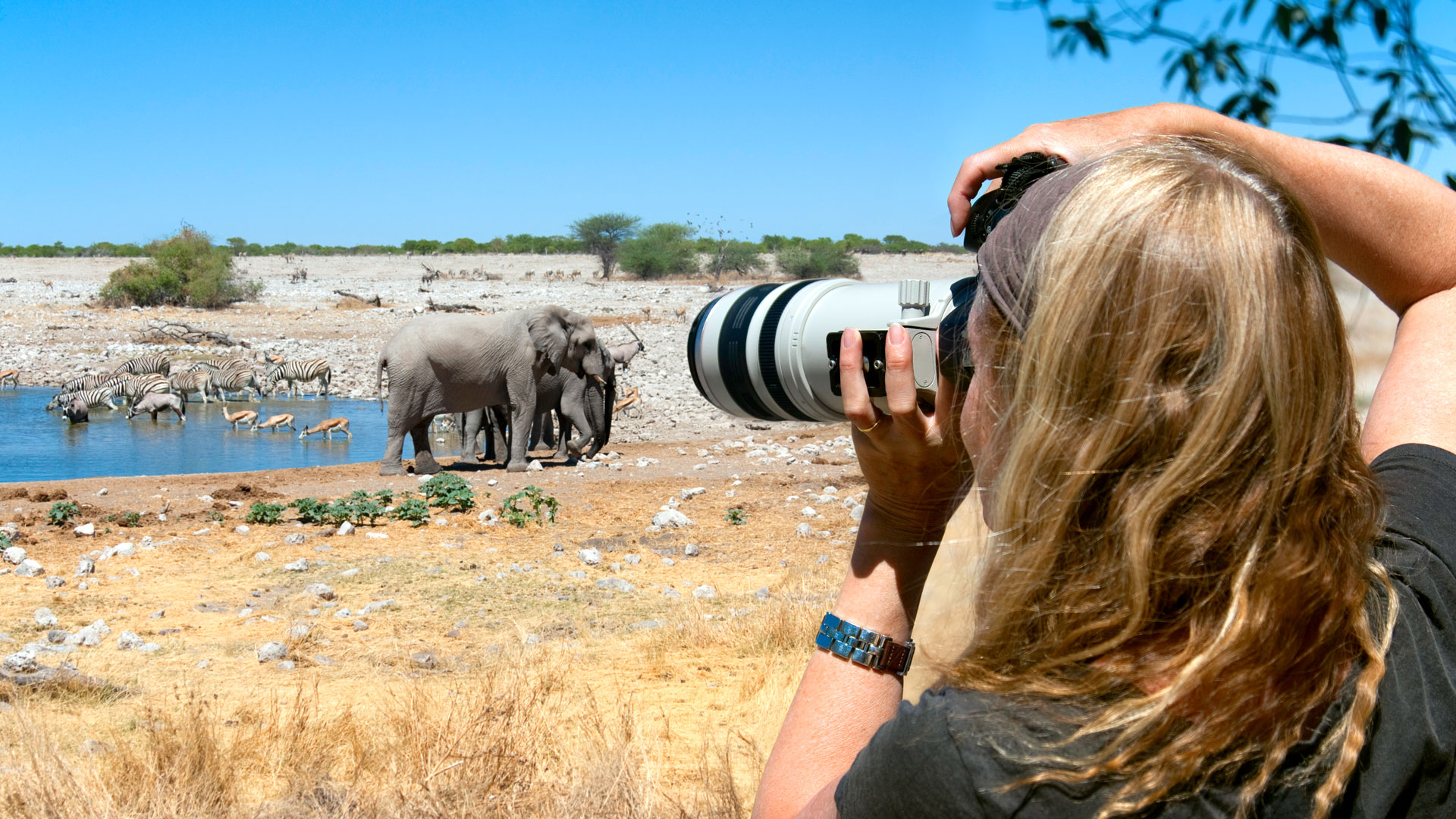
Drive to Tarangire National Park, known for its massive elephant herds and iconic baobab trees. After a scenic drive, enjoy an afternoon game drive and stay overnight in the park.  

  • Overnight: Lodge or Camp near Tarangire National Park
  • Game Drive: Afternoon
  • Activity: Spot elephants, giraffes, and various birdlife

Travel to Lake Natron, famous for its surreal salt flats and flamingo colonies. Relax and enjoy the beauty of this remote location, surrounded by unique landscapes.

  • Overnight: Lodge near Lake Natron
  • Activities: Explore salt flats and flamingo colonies
  • Accommodation: Lodge with views of the lake

Head to the world-renowned Serengeti National Park, where you'll begin your game drive to witness wildlife in their natural habitat. The vast plains will offer exceptional photographic opportunities.  

  • Overnight: Serengeti Lodge or Camp
  • Game Drive:  Late-Afternoon
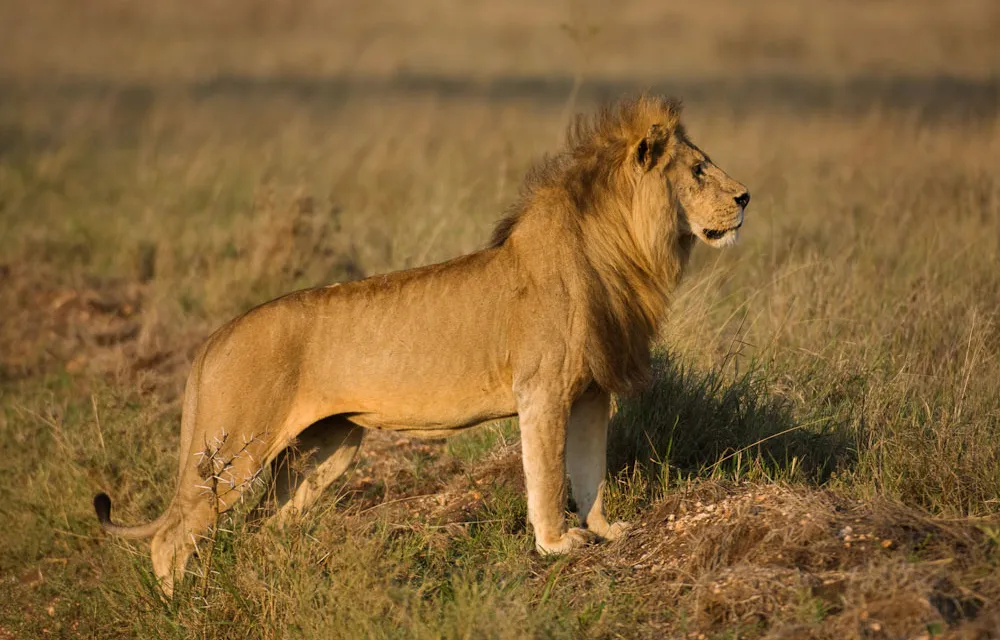
  • Wildlife: Lions, zebras, and wildebeests

Enjoy a full day in the Serengeti, tracking the Great Migration and spotting predators. With early morning and late afternoon game drives, you'll get the best view of the Serengeti's stunning wildlife.

  • Overnight: Serengeti Lodge or Camp
  • Game Drive: Morning and afternoon
  • Wildlife: Wildebeests, cheetahs, lions, and elephants

Explore another area of the Serengeti with a full day of game drives, focusing on different ecosystems within the park. Spot migratory herds and elusive predators in their natural environment.

  • Overnight: Serengeti Lodge or Camp
  • Game Drive: Morning and afternoon
  • Wildlife: Leopards, hyenas, buffalo, and wildebeests

Today, drive to the Ngorongoro Crater, known as the “Garden of Eden.” Enjoy a game drive within the crater, where you can spot the Big Five. The lush vegetation and wildlife make this a highlight of your safari.  

  • Overnight: Lodge near Ngorongoro Crater
  • Game Drive: Morning
  • Wildlife: Lions, elephants, rhinos, buffalo, and leopards

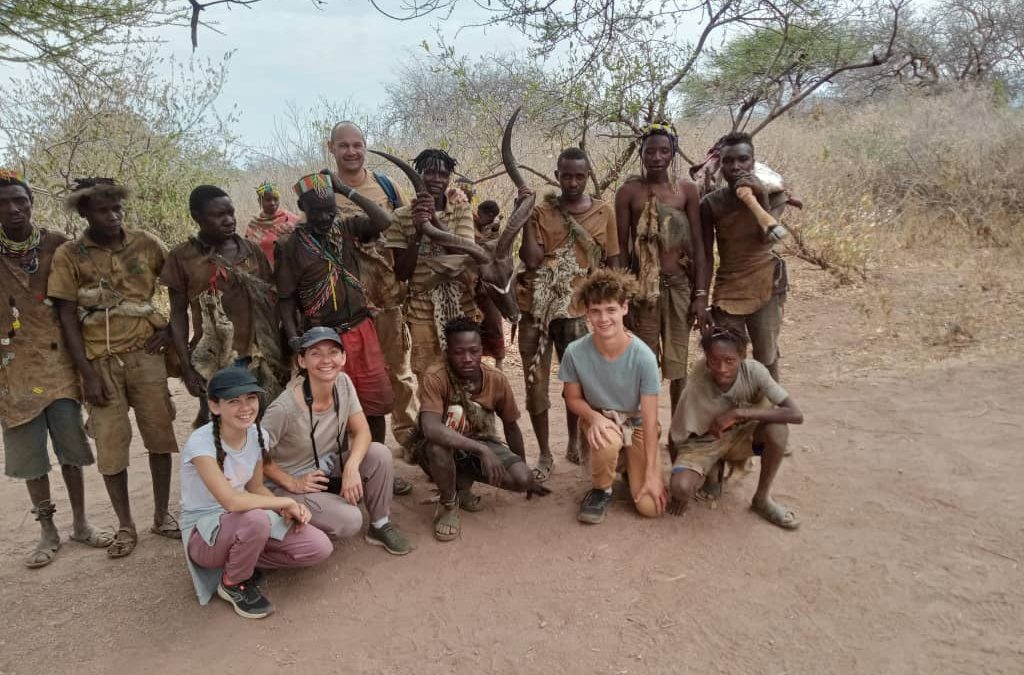
In the morning, head to Lake Eyasi for a unique cultural experience with the Hadzabe and Datoga tribes. After learning about their traditional ways of life, drive back to Arusha to conclude your trip.  

  • Overnight: Arusha Hotel or Lodge (Depending on Departure Time)
  • Activity: Visit the Hadzabe and Datoga tribes
  • Return: Drive back to Arusha for departure

Location Map

Frequently Asked & Question

The Machame Route is a moderate-to-challenging route, requiring a good level of fitness and stamina. It is one of the most popular routes due to its scenic beauty, but trekkers must be prepared for a steep ascent, altitude changes, and cold temperatures near the summit.

Accommodation for the trek include mountain tents with basic amenities. On safari, you'll stay in comfortable lodges and tented camps with modern facilities and exceptional views.

While prior trekking experience is not mandatory, a good fitness level and previous hiking experience in mountainous terrain will help. It’s recommended to train and prepare ahead of time for the trek.

On safari, you’ll have the opportunity to witness Tanzania’s incredible wildlife, including elephants, lions, leopards, rhinos, wildebeests, buffaloes (the Big Five), giraffes, zebras, flamingos, and a variety of other animals and birds.

Yes, you will need appropriate trekking gear, including warm clothes, sleeping bags, hiking boots, and gloves. A gear list will be provided ahead of the trip, and some equipment can be rented locally.

The itinerary is designed to balance physically demanding days with rest and recovery. While trekking on Kilimanjaro is challenging, the safari is more relaxed, with game drives and cultural experiences that don’t require strenuous physical activity.

Yes, this trip is suitable for first-time climbers as long as you are in good physical health and prepare adequately. The climb is paced to allow for acclimatization to the altitude, and the safari offers a well-deserved break afterward.

Yes, all meals are provided during both the Kilimanjaro trek and the safari. On Kilimanjaro, meals are prepared by your trekking crew. On safari, meals are served at the lodges or camps.

The best time to undertake this adventure is during the dry season, from June to October, when the weather is more stable and favorable for both trekking and wildlife viewing.

While the safari portion is family-friendly, the Kilimanjaro climb is not recommended for young children. This trip is ideal for active families with older teens or adults in good physical condition.

Yes, you will be accompanied by experienced, certified guides for both the Kilimanjaro trek and the safari. The guides ensure your safety, provide knowledge of the terrain and wildlife, and help you make the most of the experience.

The closest international airport to the starting point of the tour is Kilimanjaro International Airport (JRO) in Moshi region, Tanzania. From there, transport to the trekking and safari starting points will be arranged.

For the safari, pack lightweight and comfortable clothing, including sun protection (hat, sunglasses, sunscreen), a light jacket for chilly mornings, and sturdy footwear for game drives. A camera and binoculars for wildlife viewing are also recommended.

Yes, you can extend your stay in Tanzania for additional safari adventures or explore other destinations like Zanzibar. Just let us know in advance, and we can assist with arranging additional accommodations.

Serengeti National Park stands as the heart of Tanzania’s safari magic. Imagine endless golden grasslands stretching to the horizon, where herds of wildebeest and zebra set the stage for the world’s greatest wildlife migration. It’s here that you’ll witness breathtaking scenes—lion prides lounging beneath acacia trees, elephants meandering across open plains, and giraffes gracefully traversing the savanna. But it’s not just about the wildlife. Serengeti’s sunsets, painting the sky in hues of orange and pink, are as unforgettable as the adventure itself. The park’s unique blend of scenery and game viewing makes it a true must-see, whether you’re a seasoned explorer or a first-time visitor, and it fits seamlessly into any custom itinerary.

Ngorongoro Conservation Area truly holds a special place on any Tanzania itinerary. Its most famous feature, the ancient volcanic caldera, forms a natural amphitheater that creates a haven for wildlife year-round. The steep crater walls keep the ecosystem remarkably self-contained, so you’re likely to spot an impressive range of animals—from big cats to herds of zebra and buffalo—without straying far. With over 25,000 animals inhabiting its grasslands and swamps, Ngorongoro offers one of Africa’s best chances to marvel at classic safari favorites, all with the dramatic crater rim as your backdrop. The area’s unique geography means extraordinary game viewing is virtually guaranteed, so whether you’re a seasoned traveler or on your very first safari, the Ngorongoro experience is as effortless as it is unforgettable.

One of Tanzania’s most unforgettable natural spectacles is the Great Migration—a breathtaking annual movement of over a million wildebeest, accompanied by hundreds of thousands of zebras and gazelles. This epic journey sweeps across the endless plains of the Serengeti, as animals follow ancient routes in search of fresh grazing and water. In Tanzania, the best time to witness this awe-inspiring event is from December to March, when vast herds gather in the southern Serengeti. Here, you can see dramatic moments unfold: calves being born, predators on the prowl, and the raw drama of survival played out over open savannah. For wildlife enthusiasts, experiencing the Great Migration up close is a true bucket list experience—one that captures the essence of Africa’s wild heart.

When you think of a classic African safari, few experiences compare to spotting the legendary ‘Big Five’—lion, leopard, elephant, buffalo, and rhinoceros. Tanzania stands out as one of the best countries in the world to encounter this iconic group in their natural habitat. With nearly 40% of the country designated as protected land—including 16 national parks and an array of game reserves—Tanzania offers an unrivaled opportunity to witness a rich tapestry of wildlife. The sheer volume and diversity of animal life, from the sweeping plains of the Serengeti to the hidden gems of Tarangire, means that both first-time visitors and seasoned travelers have the chance to check these remarkable creatures off their safari wish lists. Beyond the thrill of the Big Five, these conservation efforts help maintain the delicate balance of some of Africa’s most vibrant ecosystems, making every trip profoundly meaningful for nature lovers and adventurers alike.

Planning the ideal Tanzanian getaway really depends on what you want to experience. If your sights are set on simply catching a glimpse of the famed Serengeti wildebeest migration or ticking the Big Five off your list, you might be tempted by a whirlwind safari of 5 to 7 days. However, to truly soak in Tanzania’s diverse treasures—think game drives in the Ngorongoro Crater, hiking Kilimanjaro, lounging on the white sands of Zanzibar, and perhaps a visit to Lake Tanganyika—a stay of 10 to 14 days lets you experience these highlights at a relaxed, enjoyable pace. Here’s a quick breakdown of recommended trip lengths: 5–7 days: Perfect for classic safari adventures in the northern circuit (Serengeti, Ngorongoro, and Tarangire). 8–10 days: Great if you want to combine a safari with cultural visits or a few days unwinding on Zanzibar’s beaches. 2 weeks or more: Ideal for travelers who want to explore deeper, trek Kilimanjaro, or cover both northern and southern parks, plus a coastal escape. The best part? Every Zaita Tours itinerary is fully customizable, so you can mix and match your must-see stops—whether you’re a first-timer or a seasoned explorer.

Choosing the best time to visit Tanzania really depends on the kind of experience you're after. For classic wildlife safaris, June through October—Tanzania’s dry season—offers excellent game viewing as animals gather around water sources and the grass is low for easy spotting. This period is also prime time for witnessing the iconic Great Migration river crossings in the Serengeti, particularly from July to August. That said, Tanzania is a year-round destination. If you prefer fewer crowds and lush, green landscapes, consider visiting during the short rains (November–December) or the so-called “green season” (January–March), when baby animals are everywhere and the parks feel extra alive. For those dreaming of pristine beaches, Zanzibar’s sunshine stretches almost all year, with the clearest, calmest waters typically from June to October and in January–February. No matter your travel style—whether chasing wildlife spectacles, climbing Kilimanjaro, or unwinding by the turquoise Indian Ocean—there’s always an ideal time for your Tanzanian journey with Zaita Tours.

Absolutely. Tanzanians are famously warm, quick to greet you with a cheerful “Jambo!” and eager to share their national pride. Whether exploring remote wilderness or bustling markets, you’ll find a welcoming atmosphere and a strong sense of safety for travelers and locals alike.

Tough call! Both are legendary, but Tanzania has a slight edge in sheer variety: the sweeping Serengeti, the colossal Ngorongoro Crater, the iconic Mount Kilimanjaro, and more. Kenya’s Masai Mara is equally spectacular, so you really can’t lose—many safari lovers try to visit both.

If you’re flying in from farther afield (looking at you, North America or Europe), two weeks is golden. That gives you wiggle room for a proper safari, trekking Mt. Kilimanjaro, glimpsing flamingos at Lake Natron, and maybe unwinding on the beaches of Zanzibar or the shores of Lake Tanganyika.

Tanzania is home to an impressive collection of 16 national parks, each showcasing its own distinctive wildlife and awe-inspiring scenery. In fact, nearly 40% of the country is set aside for wildlife and nature conservation, making it one of the premier safari destinations in Africa. From the legendary plains of Serengeti National Park to the dramatic Ngorongoro Crater and beyond, you’re spoiled for choice when it comes to exploring protected landscapes packed with adventure.

Before heading off on your Tanzanian adventure, it’s wise to check in with your doctor about recommended health precautions. Yellow fever vaccination is often required—especially if you’re arriving from (or transiting through) a country where yellow fever is present. Some regions may also recommend malaria prophylaxis, so chat with your healthcare provider about the best options for you. Travelers over 60 should take extra care and consult their physician, as certain vaccines (like yellow fever) can have additional considerations at that age. And while you’re there, don’t forget about the usual suspects: make sure your routine vaccinations, like tetanus and hepatitis A and B, are up to date for extra peace of mind.

Planning your Tanzanian adventure? You'll need a visa to enter the country. The process is pretty straightforward—visas are typically available upon arrival at major airports and border crossings. The fee is usually around $100, payable in cash (make sure you bring US dollars issued after 2006). Visas allow stays of up to three months, giving you plenty of time to explore everything from Serengeti safaris to hidden gems like Lake Natron. It's a good idea to check your passport validity and keep extra cash handy for smooth processing on arrival.

Before you pack your binoculars and sense of adventure, make sure you’ve ticked off the essentials for your Tanzanian journey. Here’s what you’ll need: Valid Passport: Your passport should have at least six months’ validity from your planned date of entry. Return or Onward Ticket: Immigration officials will want to see proof that you’re not planning to stay forever (tempting, we know). Travel Insurance: Standard travel insurance is highly recommended, especially for those planning to scale Kilimanjaro or embark on a safari. If you’re Zanzibar-bound, double-check you’re covered for medical emergencies and evacuation. Visa: Most travelers will need a tourist visa to enter Tanzania. You can apply online, at the embassy, or on arrival—just check the latest guidelines for your nationality. Additional Fees: Certain international flights include regulatory fees (like the TCAA Passenger Facilitation Fee). Airlines usually handle these, but it's wise to confirm this when booking. With these documents in hand, you’ll breeze through the arrivals hall and be ready to start your adventure.

For those craving adventure beyond the classic northern loop, Tanzania’s southern and western parks open the door to experiences that are as wild as they are exclusive. Imagine exploring the vast wilderness of Nyerere National Park (formerly Selous), where the safari crowds thin out and nature reigns supreme. Here, you’ll discover sprawling landscapes teeming with wildlife, but with the added bonus of peace and quiet—no convoys of safari vehicles in sight. Venture west and you’ll find Katavi National Park and the remote Mahale Mountains, both promising something truly special. Katavi is perfect for intrepid travelers, offering raw, untouched game viewing—picture massive herds of buffalo, pods of hippo gathering in dwindling pools, and a sense that you’ve stumbled upon Africa’s best-kept secret. Then, there’s Mahale Mountains National Park, draped along the shores of Lake Tanganyika. Here, the real highlight is trekking through misty forests to encounter wild chimpanzee families—a magical, up-close look at our closest animal relatives. Combine that with the tranquility of the lake, and you’ve got a safari experience you simply won’t find anywhere else in Tanzania. Ready for something different? The south and west might just be where your next safari story begins.

No adventure through Tanzania is truly complete without a genuine encounter with the Maasai and Hadza people. The Maasai, easily recognized by their vivid red shúkàs and bold beadwork, are world-renowned semi-nomadic pastoralists who have long called the sweeping plains of northern Tanzania home. With their rich oral traditions, deep-rooted customs, and legendary warrior spirit, the Maasai are living stewards of both the land and the wildlife that roam it. On the other hand, the Hadza—one of the last remaining hunter-gatherer communities in Africa—invite you into a way of life that has barely changed over thousands of years. Their home near Lake Eyasi is a window into humanity's ancient past: they track game with astonishing skill, forage wild foods, and speak a unique click language. Interactions with the Hadza offer a rare opportunity to witness authentic traditions that harmonize with Tanzania’s breathtaking environment. Connecting with these local communities not only enriches your journey but also deepens your understanding of Tanzanian culture—an experience Zaita Tours believes in wholeheartedly.

Did you know that nearly 40% of Tanzania’s entire territory is set aside for conservation? That means almost half the country is officially dedicated to national parks, game reserves, and protected natural habitats—making it one of the most wildlife-rich destinations on Earth.

While Tanzania’s legendary national parks steal much of the spotlight, its great lakes offer another dimension of adventure and wonder. Lake Victoria—the largest lake in Africa and the source of the Nile—invites visitors to experience local fishing villages and vibrant markets along its shores. Here, travelers can immerse themselves in the daily rhythms of Mwanza, watch fishermen hauling in their catch, or set out on a peaceful boat ride framed by stunning sunsets. Meanwhile, Lake Tanganyika is an untamed stretch of freshwater that appeals to explorers looking for something beyond the classic safari. As one of the world’s deepest and oldest lakes, Tanganyika is renowned for its crystal-clear waters and staggering biodiversity. Outdoor enthusiasts can enjoy snorkeling, guided kayak trips, or simply relaxing on the tranquil beaches near the Mahale Mountains—where the forested hills meet the lake and chimpanzee trekking awaits. Both lakes offer unique cultural encounters, breathtaking scenery, and the sort of quiet magic that makes for unforgettable side journeys in Tanzania. Whether you’re seeking relaxation or adventure, the presence of these iconic lakes—Victoria in the north, Tanganyika in the west—enriches every itinerary and brings you closer to the heart of East Africa.

Tanzania’s vibrant culture is more than just breathtaking safaris—it’s a full-on sensory experience, waiting for you to dive in. Experience the Joy of Tanzanian Festivals Get swept up in local celebrations that blend centuries-old traditions with infectious modern rhythms. Whether you find yourself at the colorful Mwaka Kogwa festival in Zanzibar or dancing to Taarab music at a cultural village, you’ll quickly see that Tanzanian gatherings are as lively as a Serengeti sunrise. Savor the Flavors: Tanzanian Cuisine Foodies beware—your taste buds are in for an adventure! Try tender nyama choma (grilled meat) sizzling over hot coals, dig into coconut-laced Swahili curries, and sample street snacks like mandazi (sweet doughnuts) at a bustling marketplace. Don’t miss a sunset cup of spiced chai—it’s practically a national pastime. Go Beyond Souvenirs: Shopping the Tanzanian Way Tanzania’s markets are bursting with color and craftsmanship. Hunt for handwoven kikoys, intricate Maasai beadwork, and carved ebony figures in the maze-like alleys of Arusha or Dar es Salaam. Each piece tells a story—making your treasures more than souvenirs, but memories you can carry home. Tanzanian culture isn’t just something you observe—it’s an adventure you live, taste, and take home with you.

When planning your journey through Tanzania, it helps to get to know the major cities and the experiences they offer: Dodoma As the official capital of Tanzania, Dodoma sits at the heart of the country. While not typically the first stop for tourists, it offers a quieter vibe and insight into local government and daily Tanzanian life. If your adventure takes you inland, Dodoma gives you a taste of the nation’s administrative pulse. Dar es Salaam Located on the bustling Swahili coast, Dar es Salaam is Tanzania’s largest city and primary economic hub. It’s where most international flights arrive, making it a popular gateway. Here, you'll find a vibrant blend of markets, delicious street food, and seaside escapes—a perfect introduction or conclusion to your Tanzanian adventure. Plus, if you’re heading to Zanzibar, this is the main jumping-off point for ferries and flights. Arusha Known as the "safari capital," Arusha sits near the foot of Mount Meru and is the launchpad for northern circuit safaris. It’s a lively city where you can soak up culture at the Maasai Market or sample local cuisine before heading out to renowned destinations like Serengeti, Ngorongoro, and Tarangire. Kilimanjaro International Airport is nearby, connecting you directly to the heart of safari country. Each city brings its own character—whether it’s government affairs in Dodoma, coastal energy in Dar es Salaam, or pre-safari buzz in Arusha—making them all valuable stops or connection points in your Tanzanian journey.

Looking to expand your horizons beyond Tanzania? There are spectacular safari itineraries that seamlessly blend Tanzania’s legendary parks with the wonders of neighboring countries—perfect for travelers eager to experience even more East African magic. Some of the most sought-after multi-country safari journeys include: Kenya & Tanzania Classic Safari: Immerse yourself in the drama of the Serengeti and Maasai Mara—two icons of wildlife spectacle. Typical routes take you from Nairobi’s bustling city life through Amboseli National Park at the foot of Mt. Kilimanjaro, across to Tanzania’s Serengeti, Ngorongoro Crater, and Tarangire. Witness the wildebeest migration, spot the Big Five, and enjoy diverse landscapes, all on a single trip. Uganda, Rwanda & Tanzania Primate and Plains Experience: Kick off your adventure in Uganda’s Bwindi Impenetrable Forest or Rwanda’s Volcanoes National Park, where you can trek to see gorillas and playful chimpanzees. Then, continue south to Tanzania’s broad savannahs for classic big game safaris in the Serengeti and Ngorongoro. For nature lovers, this blend of primate encounters and wildlife drives is unbeatable. Safari & Beach Extensions: For those with a bit more time, some itineraries combine Kenya or Uganda’s wildlife with a relaxing wind-down on the white sands of Zanzibar. After tracking lions and elephants, swap your boots for sandals and soak in the spice-scented air of Stone Town or the tranquil beaches along the Indian Ocean. These multi-country safaris are designed for the intrepid traveler seeking variety, deeper cultural connections, and the chance to collect unforgettable moments from across East Africa—all while Zaita Tours handles the seamless transitions between countries.

If you’re a foodie at heart, Tanzania’s diverse cuisine is a true adventure in itself. Each region brings its own tasty twist to the table—think hearty, comforting, and always packed with flavor. Ugali is the country’s beloved staple—a simple, fluffy maize porridge found at nearly every meal. Dip it into a savory beef or chicken stew and you’ll feel right at home. Along the Swahili Coast, you’ll find influences from Arabia and India. Dishes like pilau (fragrant spiced rice), samaki wa nazi (fish cooked in coconut milk), and chapati are crowd favorites, especially in Zanzibar’s buzzing markets. The Lake Zone is famous for its fresh-caught tilapia, often grilled or fried and served up with spicy relishes. Head to the Northern Highlands near Kilimanjaro, and you might try nyama choma—succulent, charcoal-grilled meats, usually shared around a roaring fire. Don’t miss a piping hot cup of Tanzanian coffee or tea, the perfect way to end your meal with a local touch. Whether you’re snacking on sweet mandazi (doughnuts) or tasting traditional goat stew, Tanzanian cuisine is as much of an adventure as any safari.

If you’re torn between a safari in Tanzania or Kenya, the good news is—both countries offer truly spectacular wildlife encounters and untamed landscapes. Each destination has its own signature experiences, but Tanzania often stands out for sheer scale and diversity. While Kenya's Maasai Mara is famed for the Great Migration, Tanzania offers front-row seats to the migration in the vast Serengeti, as well as once-in-a-lifetime moments exploring the dramatic Ngorongoro Crater or gazing at mighty Mount Kilimanjaro. Where Kenya dazzles with open savannahs, Tanzania layers on lush parks like Tarangire and hidden gems such as Lake Manyara and Lake Natron—perfect if you’re after both classic game drives and unique off-the-beaten-path adventures. Bottom line? Whether you dream of watching wildebeest thunder across endless plains or sipping morning coffee with views of snow-capped Kilimanjaro, Tanzania holds its own (and then some) when comparing safari experiences with Kenya. Either way, expect memories that will stick with you forever.

Curious about what’s next door to Tanzania? The region is packed with adventure, offering plenty of opportunities for road trips, cross-border safaris, or even a quick escape to the Indian Ocean islands. Tanzania shares borders with: Kenya and Uganda to the north, perfect if you’re craving more wildlife encounters or want to chase the East African Great Migration. Rwanda and Burundi to the west, both ideal for those seeking rare primates and lush rainforests. To the south, Zambia, Malawi, and Mozambique open up even more landscapes—think vast lakes, remote reserves, and a taste of Southern Africa. Head southeast for freshwater paradise at Lake Malawi, or venture across the border to Mozambique’s stunning coastline. And if you’re itching to hop a quick flight or ferry, you’ve got nearby island escapes like Madagascar, Mauritius, Seychelles, and Réunion, each with its own unique blend of beaches, wildlife, and island culture. Tanzania really is the epicenter of East African adventure—its neighbors only add to the excitement.

If you’re heading to Tanzania and wondering whether you’ll get by with English—good news! In most of the bigger cities and popular tourist spots, English is widely spoken. From Arusha’s bustling markets to the safari lodges near the Serengeti, you’ll find guides, hotel staff, and restaurant teams ready to chat in English. Of course, a few Swahili phrases can go a long way, but for general communication and travel logistics, you’ll have no trouble navigating with English in these areas.

Curious about where our story as humans began? Olduvai Gorge, tucked in the heart of Tanzania, is often called the “Cradle of Mankind.” This world-renowned site has unearthed some of the earliest evidence of human ancestors, with fossils and ancient tools dating back over two million years. Walking along the rim of the Gorge, travelers are stepping across ground where early hominids once roamed—a powerful connection to our distant past. It’s not just archaeologists who get excited here. Visitors can view excavation sites and learn about groundbreaking discoveries that have changed what we know about evolution. Olduvai Gorge is more than a stop on your itinerary—it’s a living museum of humanity’s beginnings, an essential visit for anyone fascinated by our shared origins.

Request This Tour

Note: Price is per person based on two travelers. For solo, family, or group rates, please inquire.
card-img
icon
To More Inquiry
+255 742 420 094