$5,250/
Per Person A 10 Days Kilimanjaro and safari itinerary is one of the most balanced ways to experience Tanzania. This adventure combines a successful Mount Kilimanjaro climb with a rewarding wildlife safari, typically structured as 7 days on Kilimanjaro followed by 3 days on safari.
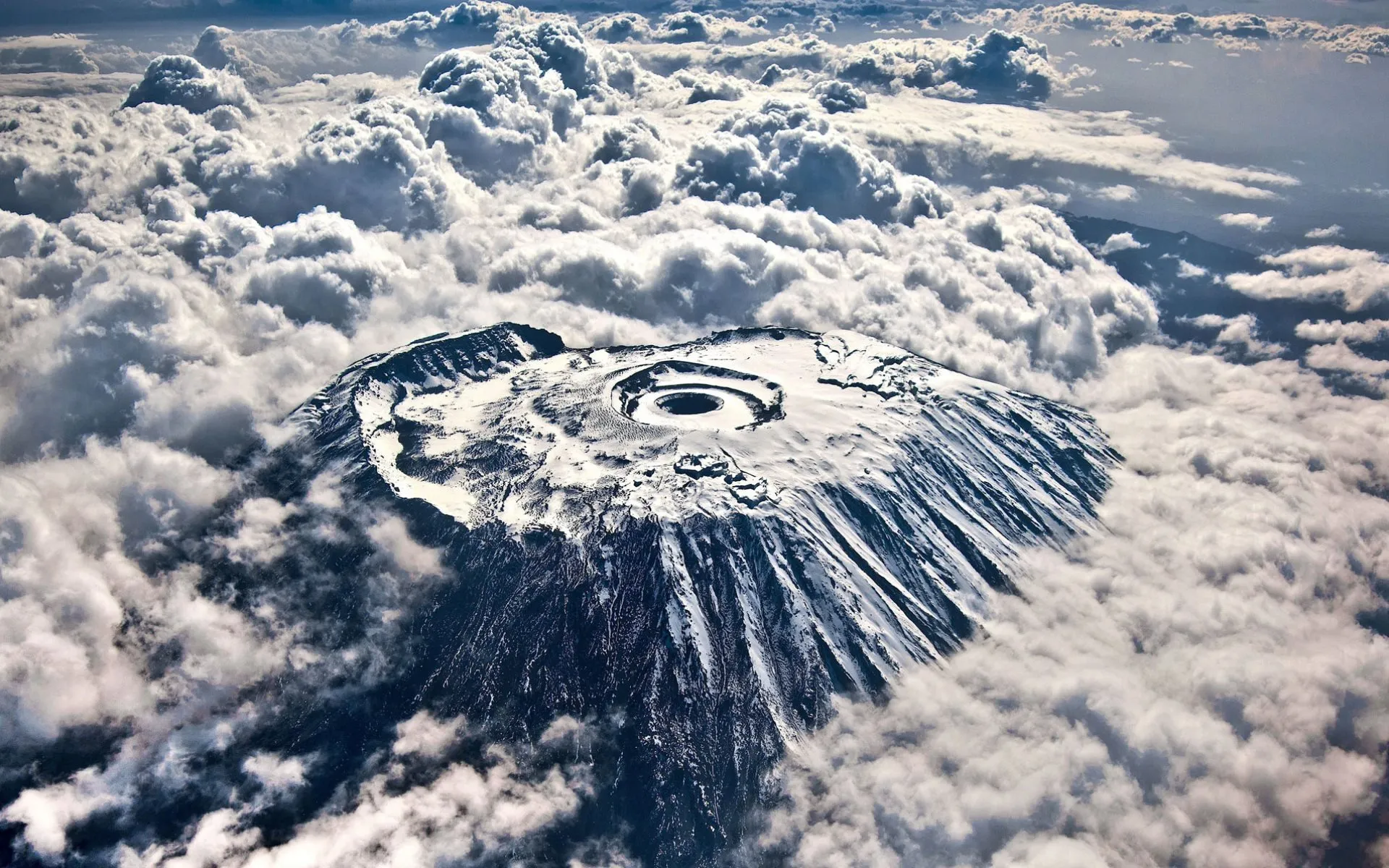
The journey takes you through Kilimanjaro’s diverse ecological zones—from lush rainforest and moorland to alpine desert—before reaching the summit at 5,895 meters. After your climb, the safari portion explores Tanzania’s iconic wildlife destinations, often including Tarangire National Park, Lake Manyara, and the Ngorongoro Crater, offering excellent opportunities to see elephants, lions, flamingos, and the Big Five.
Choosing Your Kilimanjaro Route: Days, Challenge, and Scenery
As you plan your Kilimanjaro adventure, one of the most important decisions is the route you’ll take to the summit. Each route offers its own unique blend of trek duration, difficulty level, and the type of scenery you’ll pass along the way. Here’s a quick guide to help you navigate the options:
Marangu Route
Known as the “Coca-Cola Route,” Marangu is the only route with hut accommodations, making it a favorite for those seeking a comfortable, less demanding climb. The ascent is gradual, and the classic itinerary is 5 or 6 days through rainforest, moorland, and open alpine landscapes. Because it’s the most direct, it’s also a bit busier—expect plenty of company on the trail.
Machame Route
Often called the “Whiskey Route,” Machame is loved for its scenic diversity but does require solid fitness. Treks typically last 6 or 7 days, taking you through dense rainforest, the dramatic Shira Plateau, and beside the famous Barranco Wall. It’s a great all-rounder for trekkers who want a rewarding challenge paired with fantastic views.
Lemosho Route
This route is perfect if you’re after a quieter, more gradual ascent and stunning panoramas. Taking 7 or 8 days, Lemosho begins on the mountain’s western slopes, journeys across the scenic Shira Plateau, and merges with the Machame route for the summit bid. It offers excellent acclimatization and a high success rate.
Rongai Route
Rongai is Kilimanjaro’s only northern approach. Though less traveled, it’s known for its dry climate and remote wilderness stretch. Routes are usually 6 or 7 days long, featuring a steady climb and unique views not seen on other routes. It’s ideal for those who prefer solitude and a gentler ascent.
Northern Circuit
The longest route on offer, the Northern Circuit is an 8 to 9-day journey circling much of the mountain before the final ascent. If you want maximum time for acclimatization, low crowds, and endless vistas, this is the way to go.
Umbwe Route
Short and steep, Umbwe is the most direct—and most challenging—route to the summit. Typically done in 6 days, it’s recommended only for experienced trekkers seeking an adrenaline rush and rapid ascent.
Londorossi/Shira Route
This lesser-known western route starts with a drive to the Shira Ridge, offering a tranquil prelude and beautiful high-altitude plains before joining the Machame path. Perfect if you want something unusual and peaceful.
Kilimanjaro At a Glance
- Shortest option: Marangu (5–6 days)
- Most scenic: Lemosho and Machame
- Quietest: Rongai & Northern Circuit
- Most challenging: Umbwe
- Best for acclimatization: Lemosho & Northern Circuit
No matter which route you choose, you’ll experience Kilimanjaro’s ever-changing landscapes, from lush rainforest to lunar-like summit. Select a path that matches your fitness, timeframe, and desire for company or tranquility on the mountain.
Includes & Excludes
- All park entrance fees (Kilimanjaro National Park + safari parks)
- Professional English-speaking mountain and safari guides
- Private 4x4 safari vehicle with pop-up roof for game drives
- Accommodation (7 nights on Kilimanjaro trek, 2–3 nights safari lodges/camps)
- Meals as per itinerary (breakfast, lunch, dinner during trek & safari)
- Bottled drinking water during trek and safari
- Kilimanjaro trekking support (porters, camping equipment)
- Transfers between Arusha, Kilimanjaro, and safari parks
- Government taxes and service charges
- International flights to/from Tanzania
- Visa fees for Tanzania
- Travel and medical insurance (mandatory)
- Personal expenses (souvenirs, drinks, phone calls)
- Tips & gratuities for guides and staff
- Optional activities not mentioned in itinerary
- Alcoholic beverages (unless specified)
10 Days Kilimanjaro & Safari – Quick Highlights
- Day 1: Machame Gate → Machame Camp, rainforest, 5–6 hrs.
- Day 2: Machame → Shira Camp, moorland, 5–6 hrs.
- Day 3: Shira → Barranco via Lava Tower, alpine, 6–7 hrs.
- Day 4: Barranco → Karanga, alpine, 3–4 hrs.
- Day 5: Karanga → Barafu, alpine, 3–4 hrs, prep for summit.
- Day 6: Barafu → Uhuru Peak → Mweka, summit, 12–14 hrs.
- Day 7: Mweka → Mweka Gate → Arusha, rainforest, 2–3 hrs.
- Day 8: Tarangire Safari, full-day game drive.
- Day 9: Ngorongoro Crater Safari, full-day game drive.
- Day 10: Lake Manyara Safari & Departure, 3–4 hrs.
10 Days Kilimanjaro and Safari Itinerary
Trek through lush rainforest with occasional wildlife sightings, enjoy views of tropical flora, and experience the start of the mountain climb.
- Elevation: 1,640m / 5,380ft → 2,835m / 9,300ft
- Distance: 11 km / 6.8 miles
- Hiking Time: 5–6 hours
- Habitat: Rainforest
- Overnight: Machame Camp
Ascend from forest into open moorland, passing giant heathers and lobelias, enjoy panoramic views of Kibo and Shira Plateau, and acclimatize for higher altitudes.
- Elevation: 2,835m / 9,300ft → 3,505m / 11,500ft
- Distance: 5 km / 3.1 miles
- Hiking Time: 5–6 hours
- Habitat: Heath and Moorland
- Overnight: Shira Camp
Trek across Shira Plateau, ascend Lava Tower for acclimatization, descend into Barranco Valley, enjoy views of Barranco Wall, and overnight at Barranco Camp.
- Elevation: 3,505m / 11,500ft → 4,640m / 15,223ft → 3,950m / 12,959ft
- Distance: 10 km / 6.2 miles
- Hiking Time: 6–7 hours
- Habitat: Alpine Desert / High Moorland
- Overnight: Barranco Camp
Climb the Barranco Wall, descend into Karanga Valley, acclimatize further while enjoying panoramic views, and overnight at Karanga Camp.
- Elevation: 3,950m / 12,959ft → 4,000m / 13,123ft
- Distance: 4–5 km / 2.5–3 miles
- Hiking Time: 3–4 hours
- Habitat: Alpine Desert
- Overnight: Karanga Camp
Trek to Barafu Base Camp, prepare for summit attempt, rest, and enjoy sunset over barren alpine landscapes.
- Elevation: 4,000m / 13,123ft → 4,640m / 15,223ft
- Distance: 4 km / 2.5 miles
- Hiking Time: 3–4 hours
- Habitat: Alpine Desert
- Overnight: Barafu Camp
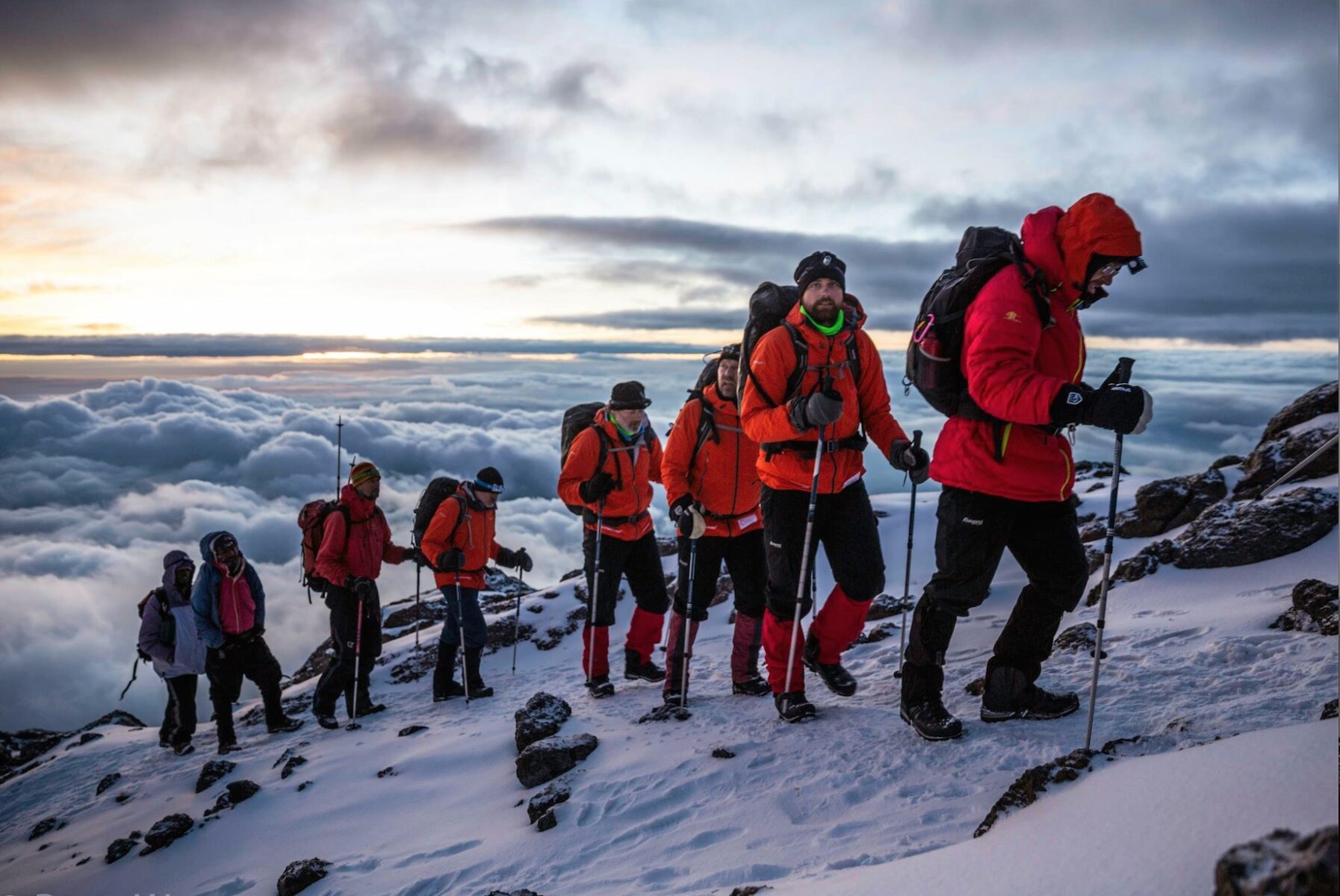
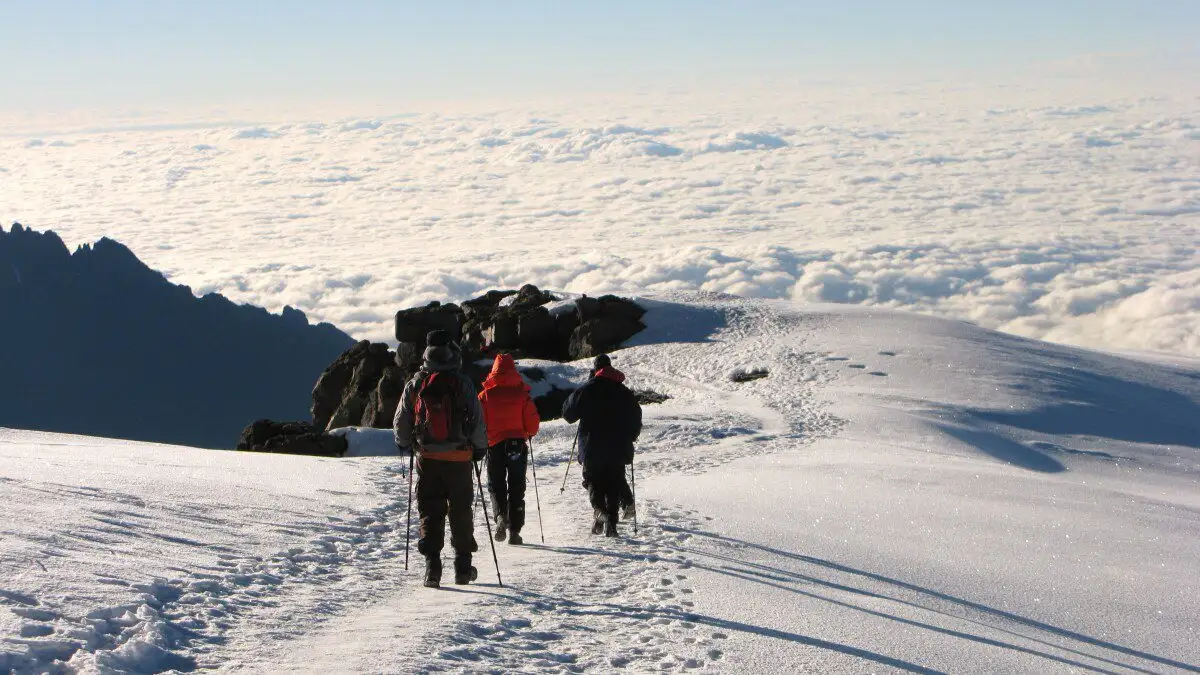
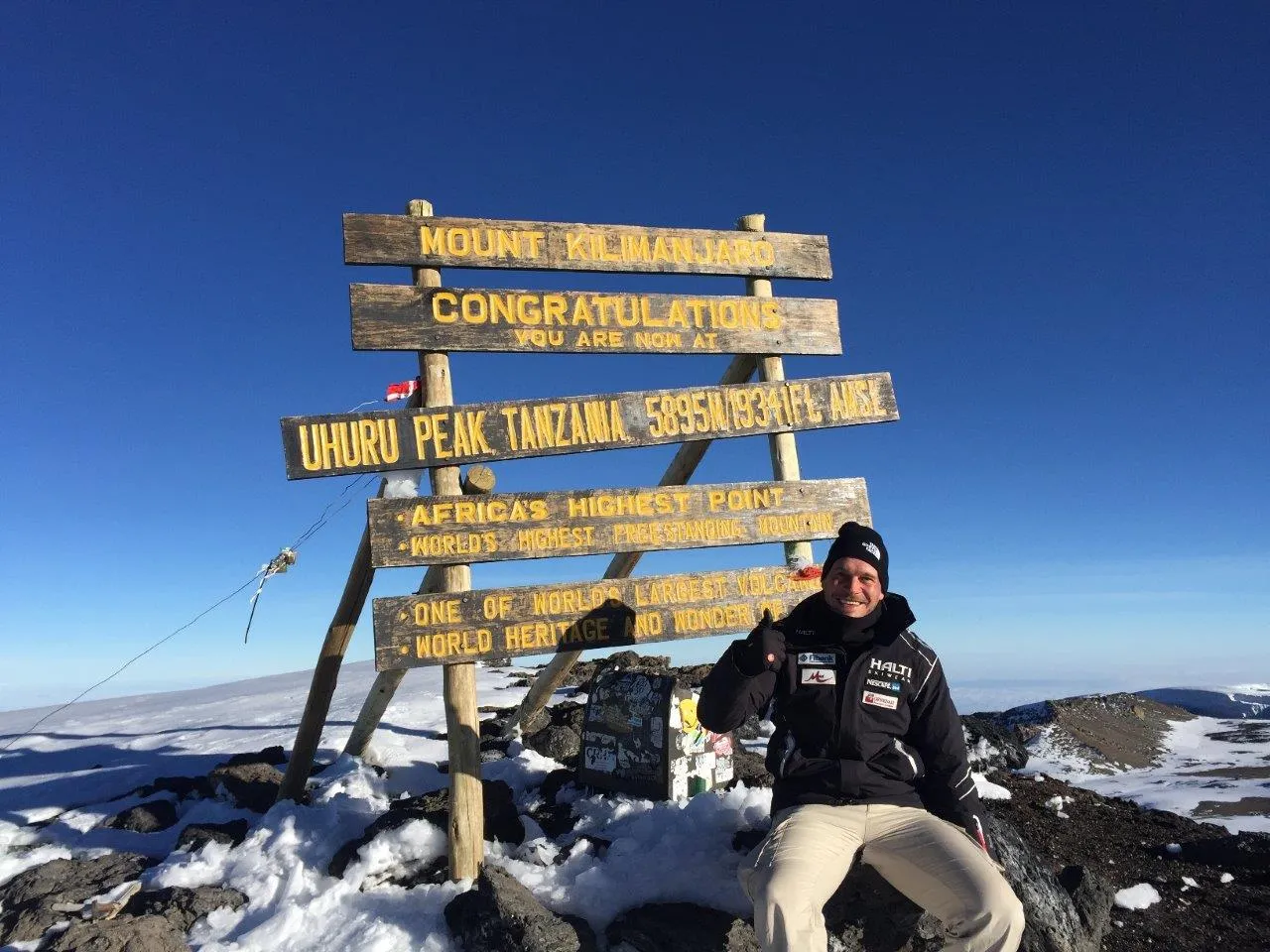
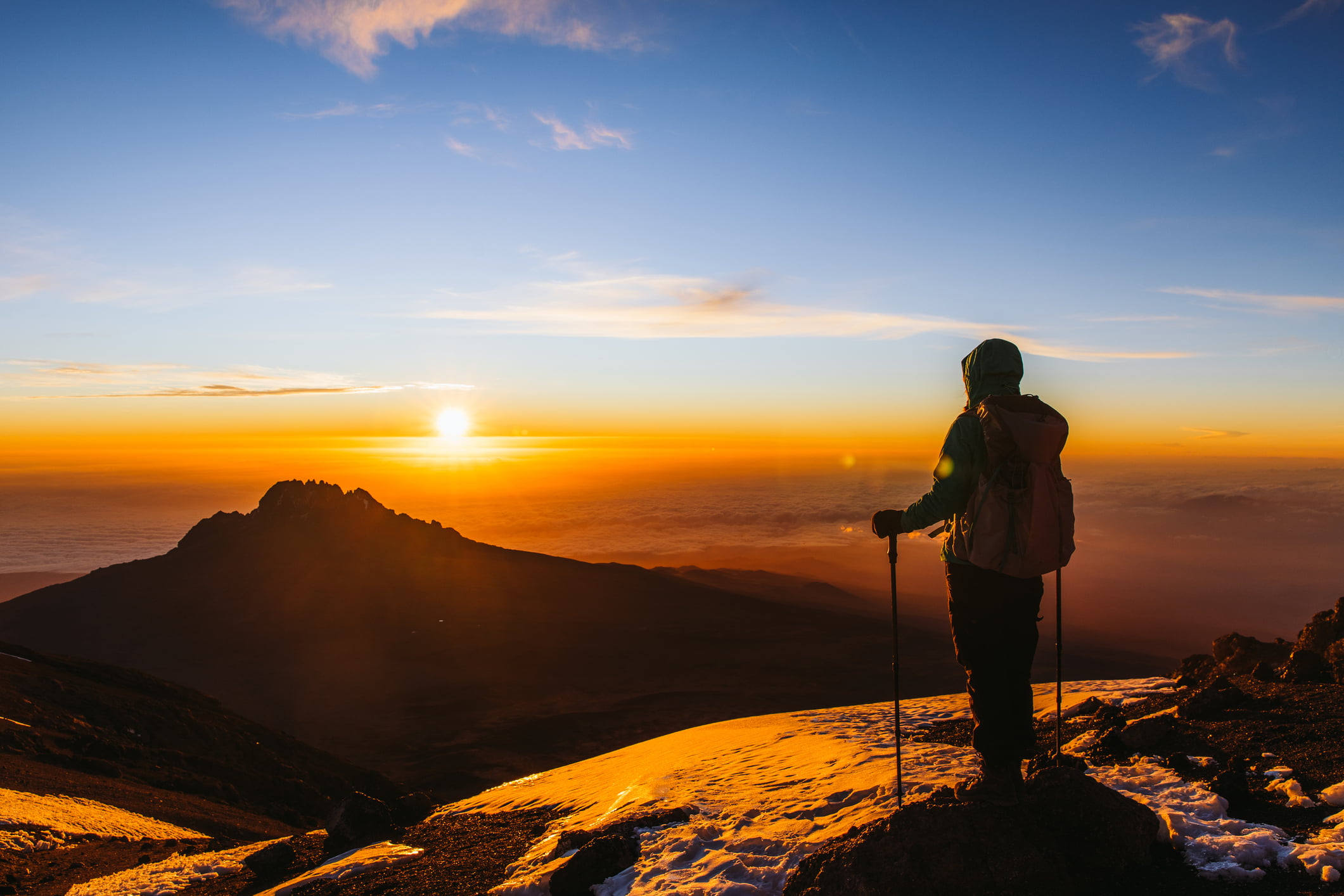
Midnight summit attempt, reach Uhuru Peak at sunrise, take photos, descend to Barafu Camp for rest, continue through alpine desert and rainforest zones to Mweka Camp for overnight.
- Elevation: 4,640m / 15,223ft → 5,895m / 19,341ft → 3,100m / 10,170ft
- Distance: 8 km / 5 miles (ascent & descent)
- Hiking Time: 12–14 hours
- Habitat: Alpine Desert / Summit Zone / Rainforest
- Overnight: Mweka Camp
Complete final trek to Mweka Gate, exit the park, celebrate summit success, transfer to Arusha for rest and overnight at hotel.
- Elevation: 3,100m / 10,170ft → 1,640m / 5,380ft
- Distance: 10 km / 6.2 miles
- Hiking Time: 2–3 hours
- Habitat: Rainforest
- Overnight: Under the Shade
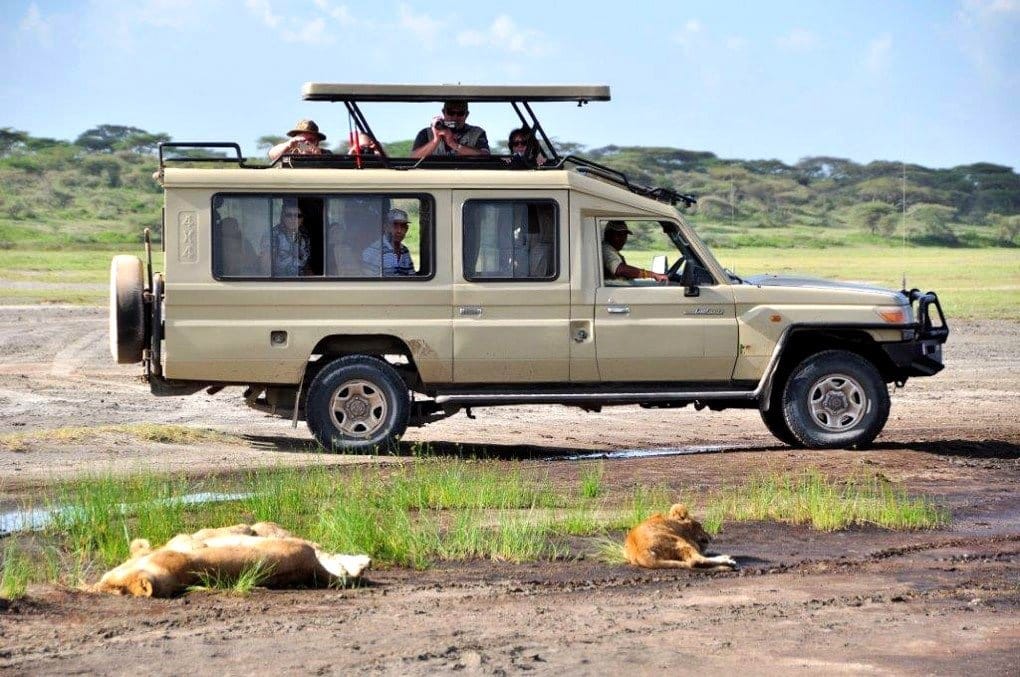
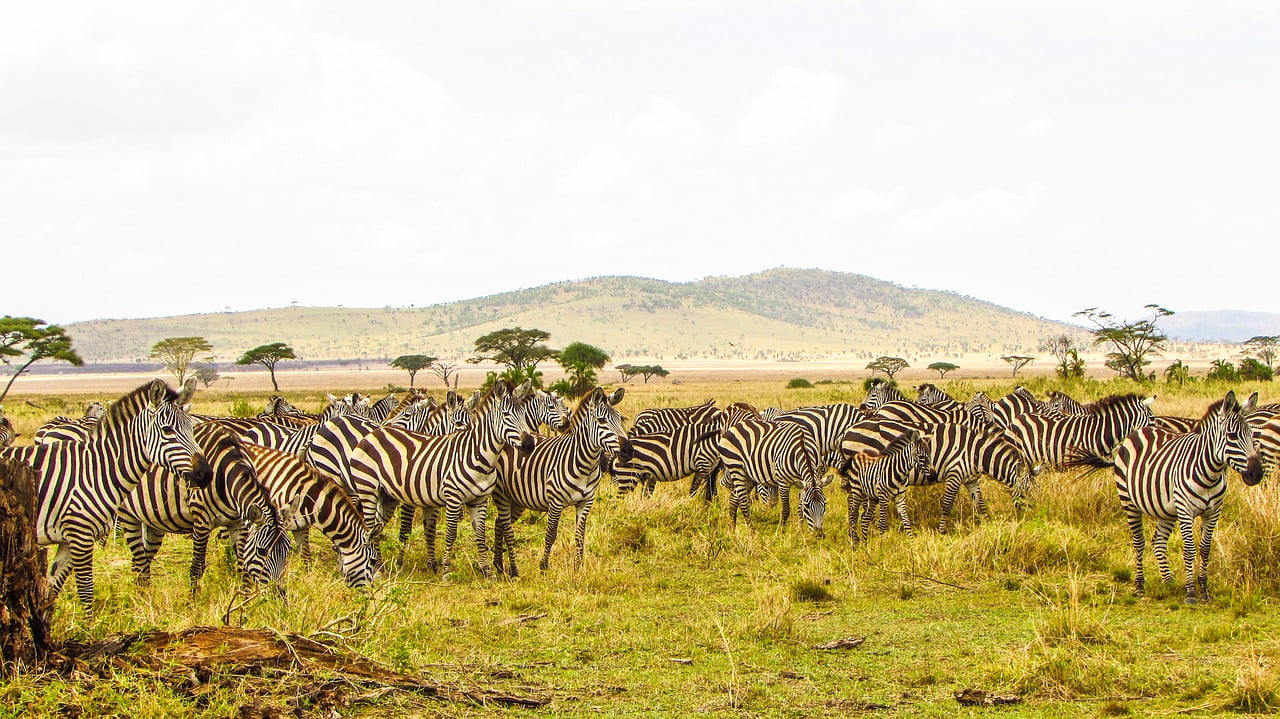
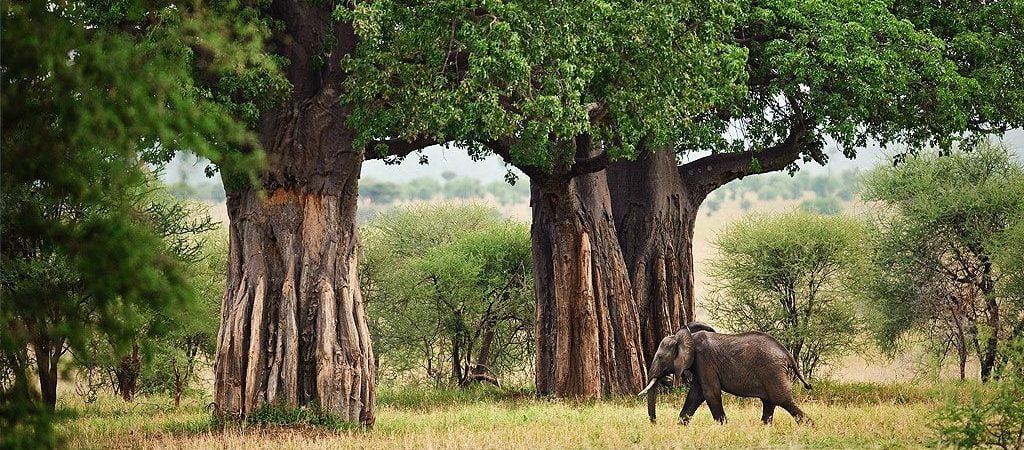
Depart at 7:00 AM for a 2–3 hour drive to Tarangire National Park. Enjoy a full-day game drive from mid-morning to late afternoon, spotting elephants, giraffes, zebras, and diverse birds. Picnic lunch inside the park. Transfer to a lodge near Ngorongoro or back in Arusha for overnight.
- Overnight: Marera Valley Lodge in Karatu.
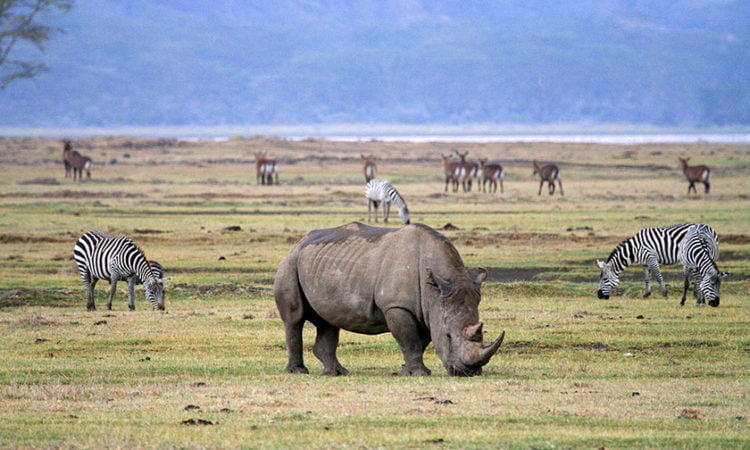
Depart early at 6:30 AM for Ngorongoro Crater. Descend into the crater floor for a full-day game drive, observing lions, elephants, buffalo, hippos, and flamingos in one of Africa’s most famous conservation areas. Picnic lunch in the crater.
On the final day, drive early to Lake Manyara National Park for a short morning game drive, famous for flamingos, hippos, and tree-climbing lions. After the safari, drive back to Arusha or Kilimanjaro Airport for departure, completing the 10-day Kilimanjaro and safari adventure.
FAQs
Yes. A 10-day itinerary provides enough time for a safe Kilimanjaro climb and a rewarding wildlife safari when properly structured.
The Machame Route (7 Days) is one of the most recommended options due to its acclimatization profile and summit success rates.
Moderately challenging. Kilimanjaro trekking requires endurance, but the safari portion is physically relaxed.
Yes. Many first-time climbers successfully complete this itinerary with proper preparation and guidance.
Our expert team ensures your safety by providing pre-climb briefings, proper gear, and guides trained in first aid and mountain rescue. They monitor your acclimatization to prevent altitude sickness and adjust the pace to suit your fitness level. With a focus on both safety and comfort, they also ensure a memorable experience by sharing insights into the landscape, culture, and wildlife along the way.
For those preparing for Kilimanjaro, we offer fitness plans, pre-climb orientations, and advice on how to acclimatize properly. Our guides provide support throughout your training and recommend specific exercises to build stamina and strength. Additionally, we provide gear lists and acclimatization tips to ensure climbers are physically prepared for the trek.
Luxury climb packages are indeed available and provide an elevated trekking experience without sacrificing the sense of accomplishment. These upgraded itineraries typically include:
Spacious walk-in tents with comfortable bedding and private toilet tents
Gourmet meals prepared by a dedicated camp chef, often with special dietary options
Higher staff-to-guest ratios, ensuring attentive service and personalized support
Private portable showers (on some packages)
Supplemental oxygen and advanced medical equipment for added safety
Camp amenities such as dining chairs, tables, and lighting for added convenience
While these luxury options generally follow the classic 7-day Machame route, they allow trekkers to enjoy the natural beauty and challenge of Kilimanjaro with an extra touch of comfort and style. It's an excellent choice for those who want to combine adventure with a few additional creature comforts before heading out on safari.
Generally, the price per person varies based on the route, trip duration, accommodation style, and group size.
Standard routes (Machame, Marangu, Rongai, Lemosho, Shira, Umbwe):
5 to 6-day itineraries: Expect rates from around $1,600 to $2,000 per person.
7 to 8-day routes: Typically range from $2,100 to $2,600 per person.
Longer and less-traveled routes (Northern Circuit, extended Lemosho):
8 to 9 days: Packages for these more remote treks are usually $2,400–$2,600 per person.
Luxury climbs:
If you’re seeking added comfort (think upgraded meals, higher-end camping, smaller group sizes, and extra amenities), luxury Kilimanjaro climbs can start from $4,300 per person and up.
Prices typically include park fees, experienced climbing guides, mountain crew (porters and cooks), meals, camping equipment, and transfers as mentioned above, but always confirm the inclusions in your specific package.
As you compare options, consider that pricing can fluctuate slightly depending on the season, group size, and whether you choose to join a group trek or arrange a private climb. For context, adventure operators like G Adventures, Intrepid Travel, and local Tanzanian outfitters often have similar price brackets.
The Umbwe Route is best for seasoned trekkers seeking an intense and physically demanding climb. Known for its steep, direct trail, the Umbwe is often considered the most challenging Kilimanjaro route, with rapid altitude gain and fewer opportunities for acclimatization. Its rugged terrain and swift elevation changes mean it’s ideal for experienced hikers with strong fitness levels and previous high-altitude trekking experience. While the route rewards adventurers with dramatic scenery and a sense of solitude, it poses significant challenges—including narrow paths, tough ascents, and a higher risk of altitude-related issues—making it less suitable for beginners.
The Londorossi Route is a lesser-known approach to Kilimanjaro, perfect for those seeking solitude and a more serene trekking experience. Starting on the mountain’s western side, it winds through lush forests and remote moorlands before merging with popular summit trails.
Trekkers often choose Londorossi for its peaceful pathways, fewer crowds, and greater opportunities to spot wildlife early on. The gentle ascent profile also gives more time for acclimatization, making it a favorite among those prioritizing both scenery and a strong summit chance. Whether you crave quiet trails, stunning landscapes, or just want an off-the-beaten-path adventure, Londorossi won’t disappoint.
The Rongai Route is best known for its tranquil wilderness experience and unique approach from the northern side of the mountain, near the Kenyan border. Trekkers choosing this path are treated to quieter trails, less foot traffic, and expansive views of Kilimanjaro’s rarely seen northern slopes. The ascent passes through remote forest and moorland zones, giving a sense of solitude along the way.
This route is often favored by those seeking a less-crowded alternative, with gentle gradients making it suitable for climbers who prefer a steady, gradual climb. Wildlife sightings are more common on the lower slopes, and the dry climate on the northern side can mean fewer rainy days compared to the southern routes.
While the scenery is distinct, expect to summit via the same route as climbers from the Marangu and Machame Routes, converging at Gilman’s Point. The Rongai Route is ideal for trekkers who value peace, varied scenery, and a different perspective on Africa’s tallest peak.
The Lemosho Route is a favorite for trekkers seeking both scenic diversity and a quieter path to the summit. Beginning on Kilimanjaro’s less-traveled western slopes, this route weaves through lush rainforests teeming with wildlife, panoramic heathlands, and striking alpine landscapes.
A major advantage of the Lemosho Route is its gradual ascent, which allows for better acclimatization and increases the likelihood of a successful summit. Highlights include crossing the picturesque Shira Plateau and tackling the dramatic Barranco Wall—a signature moment of the climb. With fewer crowds than other main routes, the Lemosho offers a more peaceful and rewarding trekking experience for both first-time climbers and seasoned adventurers alike.
Known as the "Coca-Cola Route," the Marangu Route offers a gentler ascent compared to some of Kilimanjaro's more rugged paths. Trekkers follow a well-defined trail winding through verdant rainforests at the outset, then transition into rolling moorland and the ethereal alpine desert zone before approaching the summit.
A few reasons hikers choose Marangu include:
Gradual, steady inclines ideal for those seeking a manageable challenge
Exclusive hut accommodations rather than camping, providing added comfort and shelter throughout the journey
Opportunities to spot unique high-altitude flora and wildlife, especially in the lush lower slopes
Sweeping, open vistas as the vegetation thins near the saddle before reaching Uhuru Peak
For travelers who prefer designated trails and the convenience of cozy huts each night, the Marangu Route stands out as a scenic, approachable option for reaching Africa’s highest point.