When Is the Best Time to Visit Tanzania?
Tanzania can be visited throughout the year, with each season offering its own advantages. From spectacular wildlife safaris in the Serengeti and Ngorongoro to climbing Mount Kilimanjaro and relaxing on the beaches of Zanzibar, different times of the year offer different advantages.
Tanzania's tourism seasons are commonly divided into high season, shoulder season, and low season, with the country's two main rainy periods—the short rains and long rains—also influencing travel conditions.
For safari travelers, the dry months are generally the most popular because wildlife is easier to spot and road conditions are usually better. However, the wetter months can offer lush scenery, fewer visitors, and lower prices. The January–February calving season is also an exceptional time to visit the Serengeti.
Tanzania in the Dry Season: June to October
The period from June to October is generally considered Tanzania's main dry season and is one of the most popular times for safari.
Rainfall is limited in many safari areas, vegetation becomes less dense, and animals often gather around permanent water sources. These conditions can make wildlife easier to spot during game drives.
The weather is also generally comfortable for outdoor activities, although mornings and evenings can be cool, particularly in higher-altitude areas such as the Ngorongoro Highlands and Mount Kilimanjaro.
June
June marks the beginning of the main dry season.
The landscape can still be relatively green following the long rains, while wildlife viewing starts becoming increasingly reliable. Visitor numbers begin to increase, but June can provide a good balance between excellent safari conditions and the larger crowds of July and August.
Best for:
- Northern Circuit safaris
- Serengeti
- Ngorongoro Crater
- Early Great Migration experiences
- Kilimanjaro climbs
- Travelers seeking good weather
July to September
These are among the busiest and most popular months for Tanzania tourism.
The weather is generally dry, wildlife viewing is excellent, and the Serengeti is particularly popular for travelers hoping to see the Great Migration.
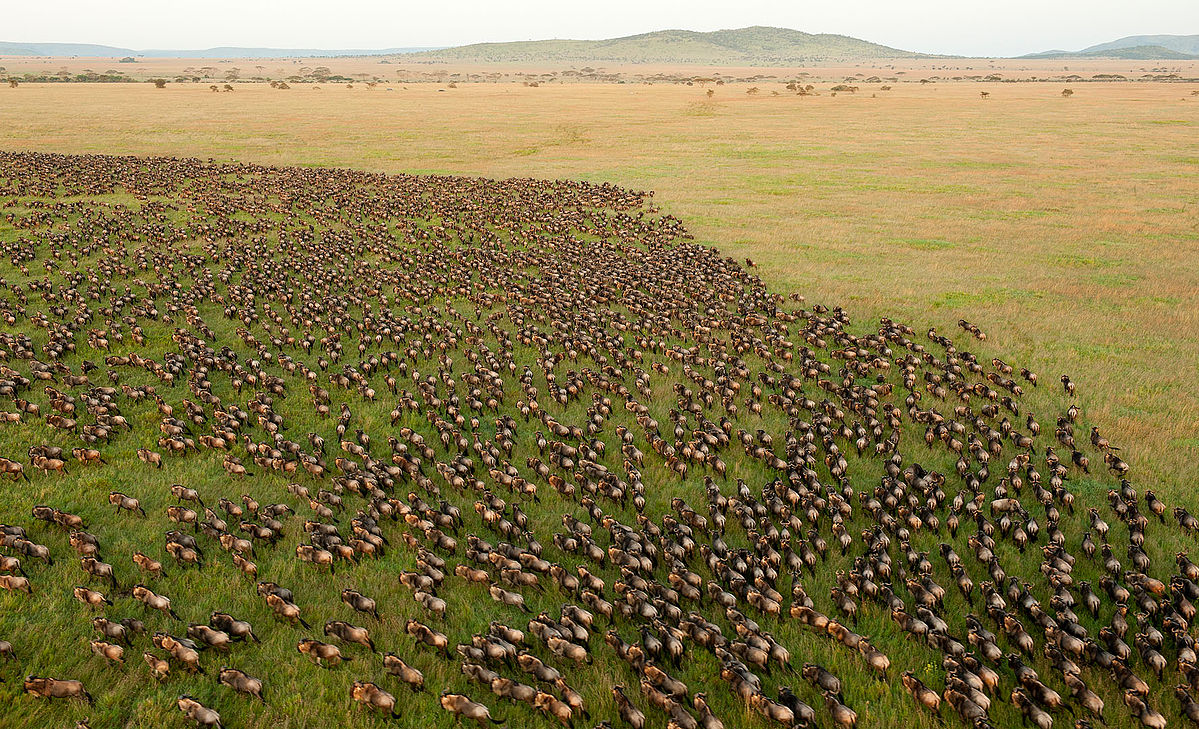
In northern Serengeti, the migration can bring large concentrations of wildebeest and other animals. River crossings can occur during this period, although they are a natural event and cannot be guaranteed on a specific day or at a particular location.
July, August, and September are also excellent months for Kilimanjaro, although popular routes and camps can become busy.
Best for:
- Great Migration
- Wildlife photography
- First-time safari travelers
- Kilimanjaro climbing
- Dry-weather travel
Because this is peak season, safari lodges, camps, and popular routes can book well in advance, and prices are generally higher.
October
October is the end of the main dry season.
Temperatures begin to rise, and the landscape becomes drier in many areas. Wildlife viewing can remain excellent, particularly around water sources.
October can be an attractive alternative to the busiest months because visitor numbers may begin to decrease while safari conditions remain favorable.
Best for:
- Wildlife viewing
- Serengeti and Ngorongoro
- Kilimanjaro
- Travelers wanting dry conditions with slightly fewer visitors
November to December: Short Rains & Shoulder Season
Around November, Tanzania's short rains generally begin. These rains are usually shorter and less persistent than the long rains of March to May.
Rain doesn't necessarily mean that a safari is impossible. In many cases, showers are temporary and the landscape quickly becomes greener and more attractive.
This period can provide an excellent combination of wildlife, scenery, fewer tourists, and better value.
November
November is often considered a shoulder season.
The first rains refresh the landscape, migratory wildlife begins moving through different parts of the ecosystem, and visitor numbers can be lower than during the July–September peak.
For travelers who don't mind the possibility of rain, November can be an excellent time to experience Tanzania at a more relaxed pace.
Best for:
- Fewer crowds
- Green landscapes
- Better-value safaris
- Photography
- Flexible travelers
December
Early December can still offer good value and relatively moderate visitor numbers.
However, demand increases toward Christmas and New Year, so accommodation and safari prices can rise considerably during the holiday period.
If you are planning a Christmas or New Year safari, booking early is recommended.
January to February: Green Season & Serengeti Calving
January and February are among the most interesting months for wildlife enthusiasts.
The Serengeti enters the famous calving season, when large numbers of wildebeest give birth. The abundance of young animals also attracts predators, creating dramatic wildlife encounters.
The scenery is usually greener than during the dry season, making this an excellent period for photography.
There can still be rain, but it does not necessarily rain continuously throughout the day.
Why Visit Tanzania in January and February?
- Excellent Serengeti wildlife viewing
- Wildebeest calving season
- Predator activity
- Green and beautiful landscapes
- Good photography conditions
- Potentially fewer visitors than peak dry-season months
For travelers specifically interested in the Great Migration, it is important to understand that the migration is not a single event that happens in one place on one date. The herds move continuously through the Serengeti ecosystem according to food, rainfall, and other natural conditions.
Therefore, January and February are particularly attractive if your priority is calving, while later months may be better suited to travelers hoping to witness other stages of the migration.
March to May: Long Rains & Low Season
March to May is generally Tanzania's long-rain period.
This is traditionally the quietest tourism season, especially during April and May. Rain can be heavier and more persistent, and some roads may become difficult depending on local conditions.
However, it is important not to dismiss this period completely.
The landscape can be incredibly green, parks are quieter, and accommodation prices can be significantly more attractive. For travelers who prioritize value and don't mind unpredictable weather, this can be an excellent opportunity.
March
March can be a transition month.
The weather becomes wetter, but safari conditions can still be good, particularly earlier in the month.
April
April is generally one of the wettest months.
There are fewer tourists, and some seasonal camps may close. However, travelers can benefit from lower rates and peaceful parks.
May
May generally remains part of the long-rain period, although conditions can vary.
As the month progresses, the country begins moving toward the drier period that starts around June.
Best for:
- Budget-conscious travelers
- Private safaris
- Fewer crowds
- Green landscapes
- Photography
- Travelers with flexible schedules
Best Time for a Tanzania Safari
The best time for a safari depends on what you want to see.
For overall wildlife viewing
June to October is generally the easiest recommendation because dry conditions make wildlife easier to locate and roads are usually in good condition.
For the Serengeti calving season
January to February is particularly exciting.
The large number of newborn wildebeest creates excellent opportunities to see predator-prey interactions.
For fewer crowds
Consider November, January–February, or March–May, depending on your tolerance for rain.
For lower prices
March to May generally offers the greatest opportunities for lower accommodation and safari rates, although availability can vary and some properties may close.
For the Great Migration
The answer depends on the stage of the migration you want to experience:
- January–March: Calving and predator activity
- April–May: Herds begin moving as conditions change
- June–July: Migration moves toward the Western and northern Serengeti
- July–October: Northern Serengeti and potential Mara River crossings
- November–December: Herds move back toward the southern Serengeti
Because the migration follows rainfall and fresh grass rather than a fixed calendar, exact locations and river crossings cannot be guaranteed.
Best Time to Visit Ngorongoro Crater
The Ngorongoro Crater is a year-round destination.
Because of its permanent water sources and high concentration of wildlife, you can have an excellent safari experience in almost any month.
The dry season from June to October is particularly popular, but the green season can offer beautiful scenery and fewer visitors.
If your itinerary combines Serengeti + Ngorongoro, you don't necessarily need to visit during peak season to have an excellent wildlife experience.
Best Time to Visit Tarangire
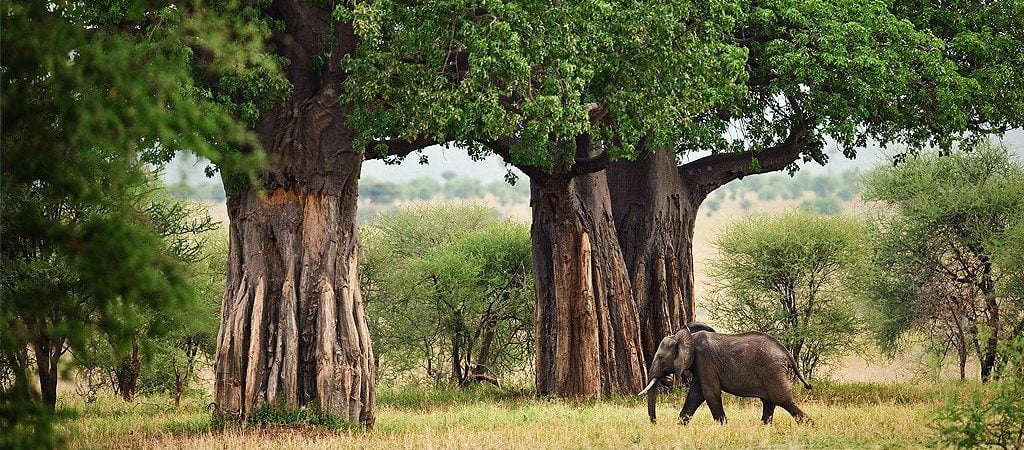
Tarangire is particularly interesting during the dry season.
As water becomes less available in surrounding areas, animals concentrate around the Tarangire River and other water sources.
June to October is therefore an excellent period for wildlife viewing.
However, Tarangire can also be rewarding during other months, particularly when the landscape is green and migratory wildlife moves through the wider ecosystem.
Best Time to Climb Mount Kilimanjaro
Mount Kilimanjaro can technically be climbed throughout the year, but the drier months are generally preferred.
The most popular periods include:
- January–February
- June–October
The weather on Kilimanjaro is different from the weather on the plains. Conditions can change dramatically with altitude, and the summit can be extremely cold regardless of the season.
For this reason, choosing a suitable route, allowing enough days for acclimatization, and having experienced guides are more important than simply selecting a particular month.
Best Time for a Zanzibar Holiday
Zanzibar is also a year-round destination, but the generally drier periods are popular for beach holidays.
June to October offers relatively dry conditions and is a popular time for combining a safari with a beach stay.
January to February can also be excellent for enjoying Zanzibar's beaches, with warm temperatures and generally favorable conditions.
The long-rain period, particularly March to May, can bring heavier rainfall, although sunny periods can still occur.
If your Tanzania holiday combines safari + Zanzibar, we can help you select dates that work well for both parts of the trip.
Does the Season Affect Tanzania Safari Prices?
Yes. The time of year can have a significant impact on the cost of a Tanzania safari.
During the high season, demand for lodges, camps, guides, and safari vehicles is higher, so prices generally increase.
During shoulder and low seasons, some accommodation providers offer lower rates, allowing travelers to experience Tanzania at a more affordable price.
However, season is only one factor in the total cost.
Your final price may also depend on:
- Number of travelers
- Safari duration
- Budget, Mid-Range, or Luxury accommodation
- Destinations included
- Private or shared safari
- Transportation arrangements
- Activities and excursions
- Number of game drives
- Internal flights
- Additional nights
- Special accommodation or room categories
At Zaita Tours, our prices are presented per person according to the number of travelers, with accommodation options ranging from Budget (3-star) to Mid-Range (4-star) and Luxury (5-star).
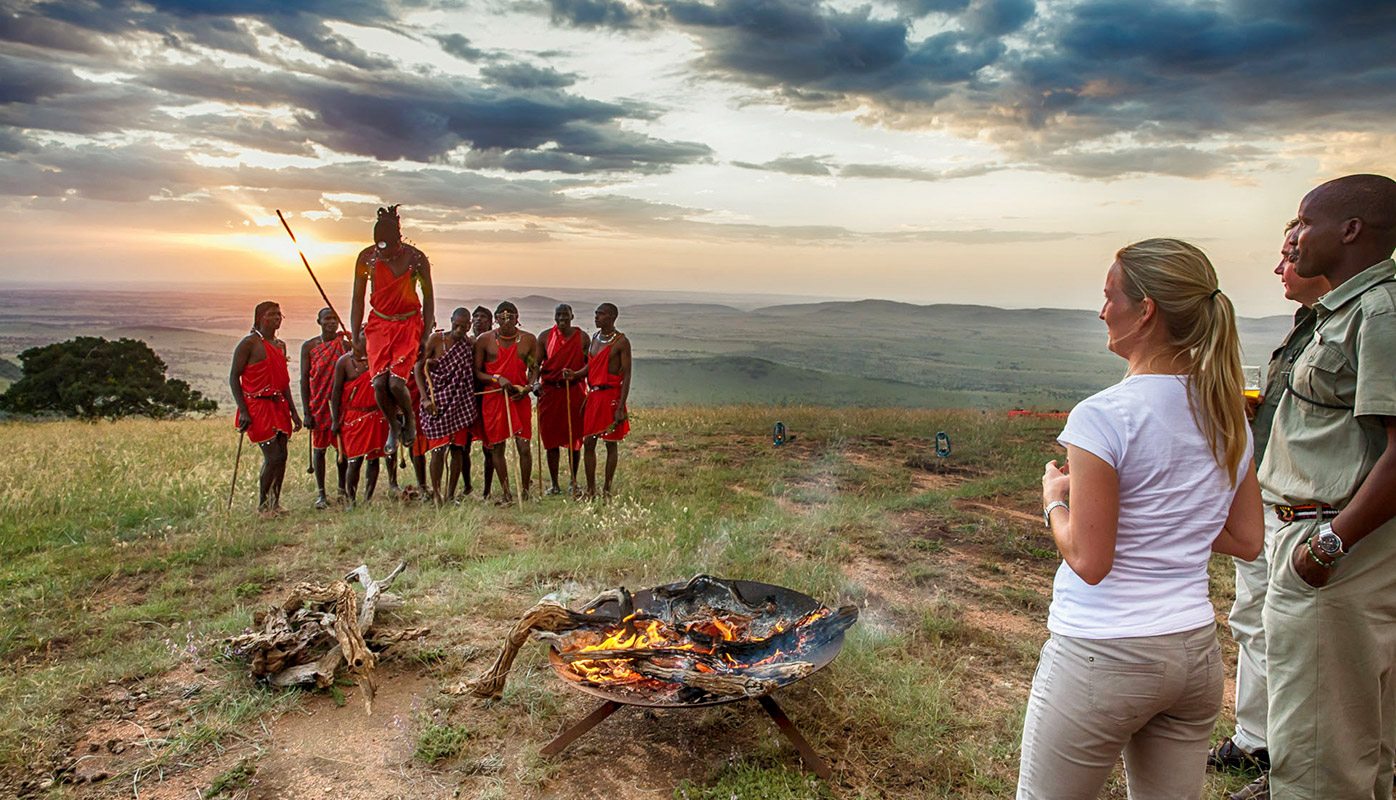
If you add activities such as a hot-air balloon safari, walking safari, cultural experience, or other excursions, the total price will increase according to the activity selected.
So, When Is the Best Time to Visit Tanzania?
There is no single answer.
If your priority is excellent wildlife viewing and dry weather, consider June to October.
If you want to experience the Serengeti calving season, choose January or February.
If you want fewer tourists and better value, consider the shoulder or low seasons.
If you want to combine safari, Kilimanjaro, and Zanzibar, your ideal travel period may be different again.
The best Tanzania holiday is not necessarily about finding the “perfect month.” It is about finding the right combination of season, destinations, accommodation, activities, and budget for you.